
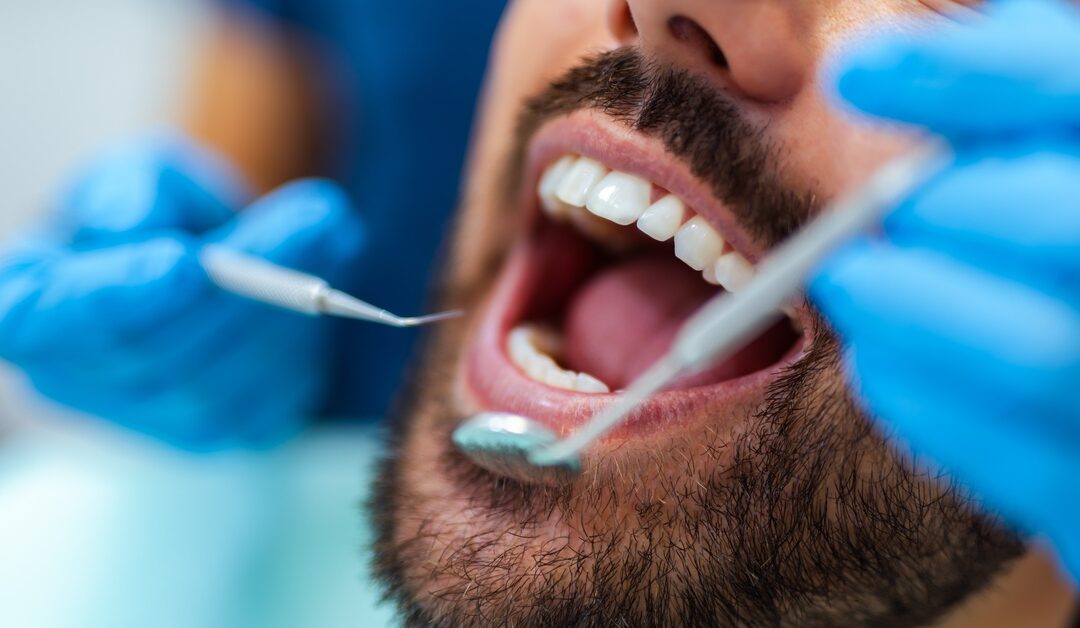
Dental work supports long-term oral health, yet it may leave the body feeling sore, tired, or “off” for a day or two. It’s normal to want a whole-body reset after a filling, crown, extraction, or implant-related appointment.
Many people use the word “detox” when they mean recovery support. After dental care, the body focuses on tissue repair, inflammation control, and restoring comfortable function. The most helpful approach supports those processes.
But how can your body detox after dental work? Find out the steady steps that will support the healing process.
The First 24 Hours
The first day sets the tone for a smoother recovery. The steps below support comfort without pushing the body too hard.
Hydrate Steadily
Water supports circulation, saliva flow, and normal elimination through the kidneys. Small, frequent sips work well, especially if the mouth feels tender.
Skip sugary drinks and limit alcohol during early healing. Alcohol dries tissues and may irritate surgical sites.
Choose Soft, Nourishing Foods
Food choices matter because chewing pressure and temperature can irritate treated areas. Stay away from crunchy foods, seeds, and sticky snacks if the procedure involved gum healing or temporary restorations. Instead, focus on warm or room-temperature options with protein and minerals.
Get Plenty of Rest
Sleep helps the body repair and reset after a dental treatment. Following the appointment, aim for a calm evening. Lounge on the couch or in bed while keeping your head slightly elevated. Gradually, swelling will dwindle, and you’ll feel more like yourself again.
Nutrition That Supports Whole-Body Recovery
Along with rest, the body needs a steady supply of nutrients to heal. Protein supports collagen and tissue rebuilding, minerals support bone and gum health, and omega-3 fats support balanced inflammation. Some of the best foods to eat during recovery include:
- Scrambled eggs
- Yogurt
- Cottage cheese
- Soft soups
- Mashed sweet potatoes
- Salmon
- Oatmeal with nut butter
- Smoothies blended with protein powder or leafy greens
Soft, soothing foods are favorable because they won’t affect the procedure site or force your sore jaw to work tirelessly. Be sure to have a collection of these foods on hand before the procedure, so you can rest at home with all the nutrients you need to heal.
Gentle Oral Care That Supports Healing
Detoxing comes down to aftercare. Your dentist will provide you with the best practices to follow for an uncomplicated healing process. The following practices are some of the healing strategies your dentist might recommend.
Brush Carefully Around the Treated Areas
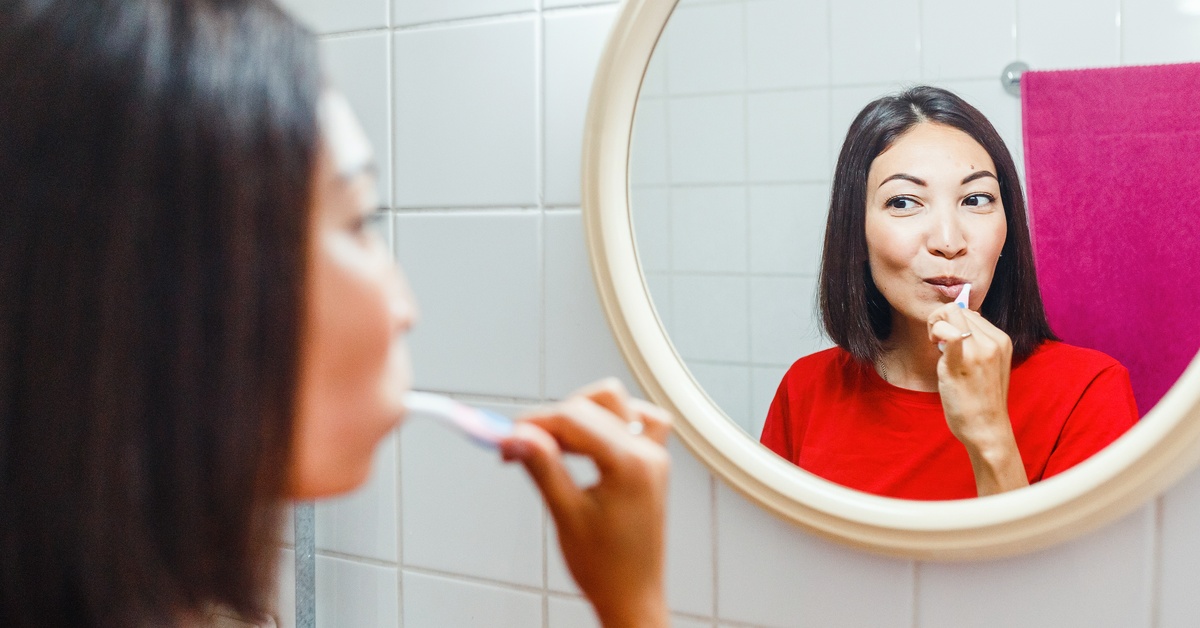
A clean mouth heals better, yet aggressive brushing or rinsing can irritate tissues. Use a soft toothbrush and gentle pressure. Keep the area clean without scrubbing the gumline or surgical site.
Try Saltwater Rinses for Comfort
Saltwater rinses support a clean environment and soothe irritated tissues. Mix warm water with salt and swish gently, then let it fall out of the mouth without forceful spitting after extractions.
Avoid Harsh Mouthwashes
Alcohol-based rinses dry tissues and may sting. It’s better to try natural solutions. If fresh breath matters, prioritize brushing the tongue gently and using a saltwater rinse.
Supporting The Lymphatic System
The lymphatic system is a network of vessels and lymph nodes that moves lymph, a clear fluid that helps carry away excess fluid and cellular waste from tissues. After dental work, the drainage process supports the body’s normal response to swelling and tenderness. Gentle movement supports lymph flow, while pushing too hard too soon may increase discomfort and slow the return to feeling steady.
Gentle movement helps, while intense workouts too soon may increase discomfort. Helpful options include easy walks, light stretching, slow nasal breathing, and gentle jaw mobility exercises.
Signs the Body Needs More Support
Most post-treatment symptoms improve day by day. If symptoms worsen or feel out of proportion, it’s important to seek support. Your doctor is here every step of the way in the recovery process. Contact the dental office if you experience:
- Increased swelling after the first couple of days
- Fever or chills
- Persistent bad tastes or drainage
- Pain that worsens rather than improves
- Bleeding that doesn’t slow with pressure
- A rash, itching, or breathing changes caused by a medication
Procedure-Specific Considerations
Different dental treatments come with different recovery needs. It’s important that you and your doctor are on the same page about how to approach aftercare.
After Fillings
Mild sensitivity to cold or pressure may happen, especially with deep fillings. Stick to gentle brushing and avoid chewing hard foods on that tooth for a week if it feels tender.
After Crowns or CEREC Restorations
Some sensitivity may linger as the tooth settles. Calm the gums by brushing the teeth softly and avoiding sticky foods. If the crown feels tight or sore at the gumline after a few days, schedule a follow-up appointment. It’s better to be proactive and seek help than to struggle with pain.
After Extractions
It can be difficult to recover from tooth extractions. Protect the clot, don’t use straws, and eat soft, nutritious foods.
If you want to start moving, stay away from vigorous activity. Short walks at a slow pace and stretching are great options.
After Implant Procedures
Implants involve gum and sometimes bone healing. Nutrition, hydration, and rest matter even more during this window. Be careful when it comes to brushing, rinsing, and chewing on the area.

How Holistic Dentistry Supports a Safe Recovery
Holistic dentistry prioritizes high-quality care while respecting whole-body health. That mindset shows up in treatment planning, materials conversations, and supportive aftercare.
At Asheville Holistic Dentist, we like to have a full understanding of each patient’s health history and sensitivities before procedures. Our staff uses modern technology that supports precision and comfort.
Plus, we want to make sure your recovery is as painless as possible. That’s why we always provide tailored aftercare instructions to support tissue healing and patient confidence.
Detox After Dental Work With Continued Support
Know that your body can detox and recover after dental treatments with a simple, steady, and supportive plan. Focus on hydration, soft nutrient-dense meals, gentle oral hygiene, and sleep. Pair those steps with prompt communication if pain or swelling escalates. This approach keeps the body supported while the mouth rebuilds strength and comfort.
For patients who want a whole-body approach with modern technology and personalized care, Asheville Holistic Dentist is a dental implant studio that offers support before, during, and after treatment. Schedule a visit to discuss treatment options and aftercare practices that fit your health and comfort needs.