Holistic dentistry approaches care with the understanding that oral health connects with overall wellness. Dentists who follow this philosophy consider oral disease alongside health history and personal wellness priorities. Many patients value boutique settings where conversations receive individual attention. Together, these qualities explain why patients choose boutique holistic dental practices when they want care shaped around oral health and overall wellness goals.
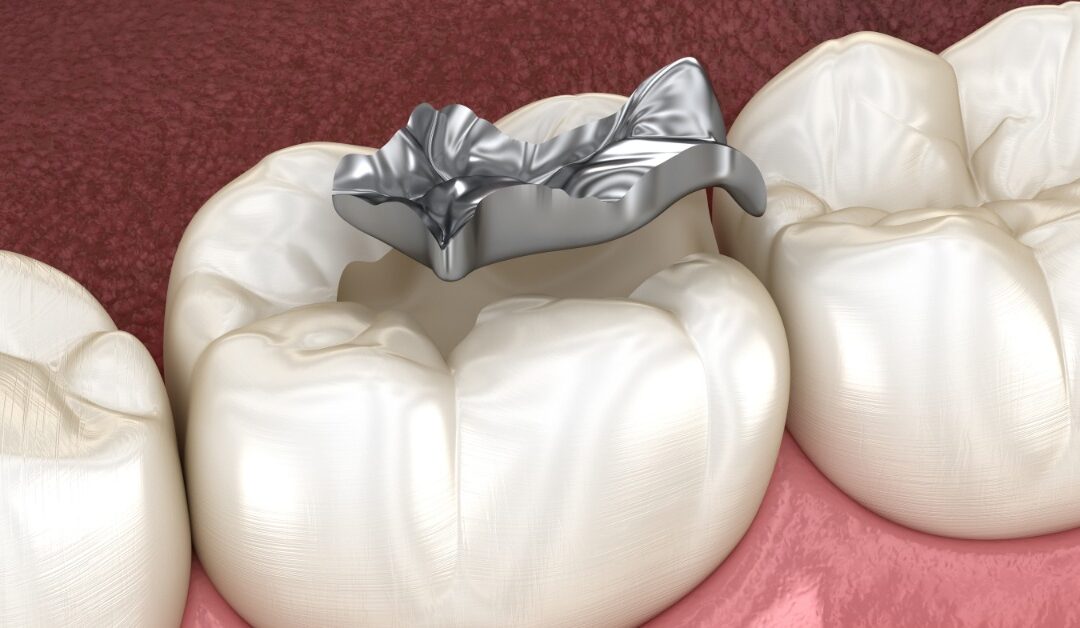
Amalgam fillings have restored decayed teeth for generations. However, some patients later question whether the material is beneficial for their health or not. Those concerns can lead them to explore a removal method that addresses the filling with careful controls.
Dental amalgam contains a blend of metals, including mercury. Drilling into the material can release vapor and small particles during treatment. For that reason, amalgam filling removal follows the detailed SMART process to protect the patient and dental team during the appointment.
What Is SMART?
SMART stands for the Safe Mercury Amalgam Removal Technique. The International Academy of Oral Medicine and Toxicology (IAOMT) developed this procedure to reduce exposure to mercury vapor and amalgam particles during removal. The protocol guides room preparation, tooth isolation, cleanup, and waste containment to ensure a safe process.
The IAOMT offers SMART certification for dentists who complete the educational program. SMART-certified practices demonstrate that the dentists have studied the organization’s detailed removal recommendations in order to provide high-quality care to patients.
Establish a Replacement Plan
First, the dentist studies the filling and the tooth around it. Dental images reveal decay beneath the restoration and cracks that aren’t visible during a standard exam. Since each tooth presents unique structural concerns, the findings shape the removal plan.
The filling’s size and location influence the type of restoration that can rebuild the tooth. Additionally, the remaining enamel determines if the tooth is capable of supporting a direct filling.
Small areas may receive a BPA-free white resin after removal, and large preparations may call for a porcelain inlay or onlay because back teeth handle substantial chewing pressure. On the other hand, a crown may suit a tooth that has minimal support. The goal for the evaluation is to determine the best plan that protects the patient’s health and restores tooth function.
Place Protective Measures Throughout the Room
On the day of the procedure, the dental team prepares the room thoroughly. SMART uses several protective measures because vapor and particles can travel through different routes.
The patient receives an impermeable covering over exposed skin and clothing. A separate barrier protects the head and neck near the treatment area. Meanwhile, the dentist and assistants wear protective gowns with gloves and face shields.
Outside Air Supports Breathing
The patient breathes outside air or oxygen through a nasal mask. The purpose is to prevent mercury vapor inhalation around the treatment area. Since the mask delivers air through the nose, the mouth can remain surrounded by the protective setup.
Filtration Captures Airborne Material
A high-volume filtration system runs close to the patient’s mouth. The IAOMT recommends this at-source oral aerosol vacuum to collect airborne material near its source. Its position near the face complements the suction equipment used inside the mouth.
Isolate the Tooth
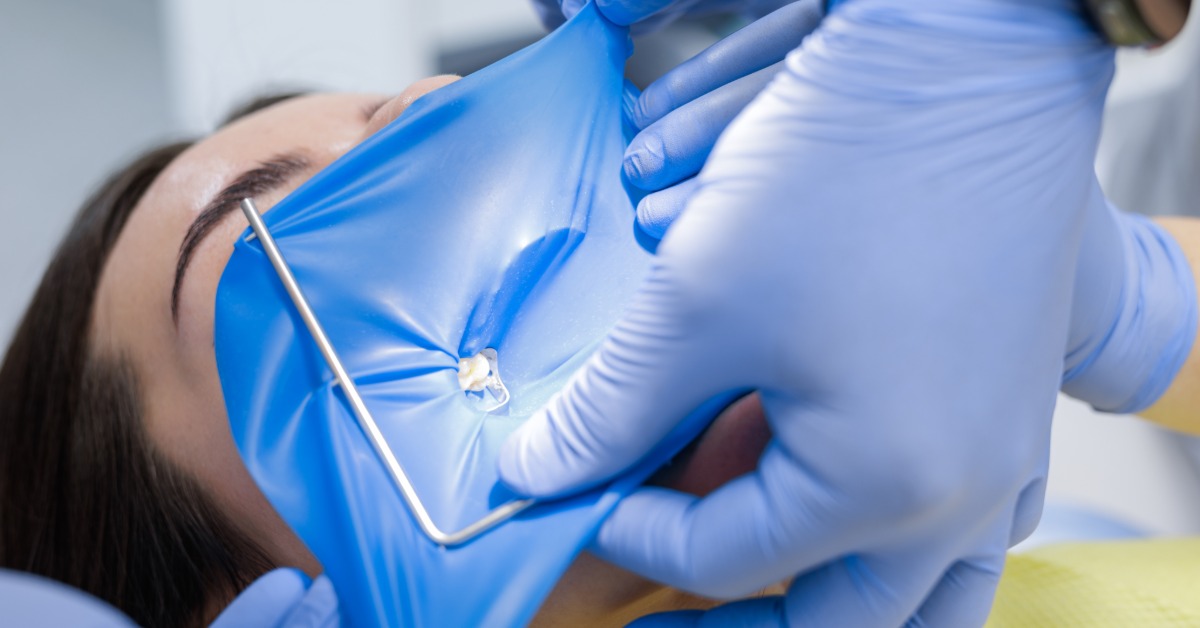
The dentist isolates the treatment tooth from the tongue, cheeks, and surrounding oral tissues. They will place a non-latex dental dam and secure it around the tooth, creating a tight seal that exposes only the area being treated. This barrier prevents small fragments, water spray, and debris from moving toward the throat or being swallowed. It also keeps the working field dry and controlled, allowing the dentist to remove the filling more safely and efficiently.
Suctioning Near the Filling
The dental team positions high-speed evacuation close to the filling and keeps it there throughout the procedure while the drill operates. This constant placement lets the suction capture water, debris, and amalgam particles right at the point where they leave the tooth.
Meanwhile, external filtration systems continue operating near the patient’s mouth. With a two-layer approach, one system manages material inside the oral cavity, and the other controls airborne particles in the surrounding area.
Water Prevents High Temperatures
Before the dentist cuts each section of the amalgam, they direct a steady stream of water onto the filling. Continuous irrigation is important because drilling generates friction, and that friction increases the material’s temperature. Keeping the area cool reduces the potential for vapor release.
At the same time, high-speed evacuation works alongside the water spray to remove the resulting mixture of liquid and particles. The combination of copious water irrigation and strong suction is extremely important. The team activates both systems whenever the drill contacts the filling to manage heat buildup and efficiently carry away loosened material as it forms.
The Filling Leaves the Mouth in Sections
Instead of grinding the entire restoration away at once, the amalgam leaves the mouth in carefully planned sections. The dentist uses a small-diameter carbide drill to create precise lines through the filling. Once segmented, it’s gently lifted out of the tooth in manageable pieces.
This step-by-step approach reduces prolonged drilling across the surface of the amalgam for a more controlled removal process. It also allows the suction system to work more effectively, capturing each section as it is released.
Inspect the Exposed Tooth
The next step is to examine the tooth structure that once supported the amalgam filling. The dentist may find hidden issues, such as decay, weakened enamel, and cracks.
The dentist then removes any compromised material while preserving as much healthy tooth structure as possible. The final shape of the tooth will guide the design and placement of the new restoration.
Cleanup Completes the Removal Process
Flushing the treatment area with water occurs after removing the amalgam filling. The use of suction and filtration continues to remove any residual material from the mouth. Then, the dentist inspects the operating field to confirm that no debris remains. After this final check, the team removes the dental dam and transitions the appointment into the tooth restoration phase.
Contain Any Amalgam Waste
SMART doesn’t end once the dentist removes the filling. The dental team immediately directs the removed material into an amalgam separator connected to the suction system. This device captures mercury-containing particles before they enter the office plumbing. After collection, the office handles the material through a regulated disposal process designed for hazardous waste.
Although patients don’t take part in this stage, it plays an important role in the overall protocol. By managing waste carefully, the dental team extends SMART’s protective approach beyond the treatment chair and into the facility’s entire workflow.
Prepare for a Thorough Appointment
Patients considering mercury filling removal should expect more preparation than they would see during a routine filling replacement. Understanding the in-depth steps of SMART amalgam filling removal will ease your concerns about what occurs during the procedure.
Asheville Holistic Dentist provides SMART-certified amalgam filling removal. Schedule a consultation to discuss the existing filling and learn which restoration may support the tooth afterward.
Routine teeth cleanings, cavity fillings, and dental reconstruction are procedures that people may need throughout their lives. The key is to find a provider that’s ready to offer their support no matter the dental treatment.
Traditional dentistry focuses on diagnosing oral disease, repairing damaged teeth, and routine care. Holistic dentistry addresses many of those same concerns through a wide view of the body. The differences between holistic and traditional dentistry come down to philosophy and personal health goals. Both approaches support oral health, so the right choice depends on the type of care each patient values.
How Both Approaches Support Oral Health
Patients might assume that traditional and holistic dentistry have opposite goals. In reality, both approaches work to solve a patient’s specific oral health problems. They care about providing healthy teeth and stable gums. The distinction comes from how each provider evaluates risk and selects materials.
Dentists Treat Active Problems
Cavities, cracked teeth, gum inflammation, missing teeth, and worn restorations all deserve attention to improve the smile’s appearance and function. Traditional dentists diagnose these issues and recommend treatment based on the mouth’s condition.
Holistic dentists take the same immediate dental issue seriously while considering related patterns. For example, they might evaluate if the patient grinds their teeth at night or has substantial jaw tension before moving forward with the treatment.
Prevention Guides Daily Care
Both dental approaches value prevention because small concerns can grow into complex dental issues. Exams give the dentist a chance to spot early decay or failing restorations before symptoms worsen. Consistent cleanings are necessary for removing plaque and tartar before buildup irritates the gums.
Holistic dentistry often expands prevention beyond recommending brushing and flossing habits. The dentist might discuss nutrition, inflammation, dry mouth, or clenching during the visit to identify the root cause of each issue and choose the appropriate treatment.
How Holistic and Traditional Dentistry Differ
The biggest differences appear in treatment philosophy. Traditional dentistry generally centers on the mouth as the primary treatment site. Holistic dentistry views the mouth as part of a larger system. That system interacts with inflammation and sleep. It can also connect with nutrition and overall wellness.
That difference affects the questions the dentist asks during an appointment or influences material selection and technology use. The added focus comes from evaluating how care fits the patient’s health priorities.
Whole-Body Health Guides Care
Holistic dentistry looks beyond the teeth and gums to understand how oral health connects with the entire body. When a dentist notices gum inflammation, for example, the conversation may expand to include possible links to systemic inflammation. Symptoms like dry mouth can lead to discussions about hydration levels or medication side effects. Similarly, jaw soreness might prompt an evaluation of clenching habits or TMJ strain.
With a broad perspective, patients gain a full understanding of why certain symptoms develop and persist. Rather than focusing only on immediate fixes, holistic care encourages meaningful conversations about underlying causes. The goal is to sustain oral wellness through treatments that address complications beyond the mouth.
Biocompatibility Shapes Material Choices
Dental fillings and implants must withstand chewing, teeth grinding, and temperature fluctuations while remaining in close contact with saliva and oral tissues. Because of this ongoing interaction, holistic dentists carefully evaluate each material they use.
Biocompatibility doesn’t mean there’s a single ideal option for every patient. Instead, it involves selecting materials that align with each patient’s specific needs and preferences.
BPA-Free White Resin
For small cavity fillings, BPA-free white resin is a common choice that bonds directly to the tooth structure to preserve as much of the natural tooth as possible. Since bisphenol A is a synthetic compound, some patients may want to limit exposure to such materials. BPA-free white resin is a favorable option for patients who want a biocompatible material that will restore the tooth’s structure.
Porcelain
When large areas need support, porcelain inlays or onlays provide added strength and durability. Porcelain is biocompatible because it’s chemically stable, nonreactive with oral tissues, and free from metals or compounds that can trigger sensitivities. The material closely mimics the natural appearance and function of tooth enamel, making it a reliable choice for long-term oral wellness.
Advanced Technology Supports Precise Treatment
Dentists must gather detailed information before making treatment decisions. By leveraging modern technology, holistic dentists conduct an efficient, precise approach to treatments.
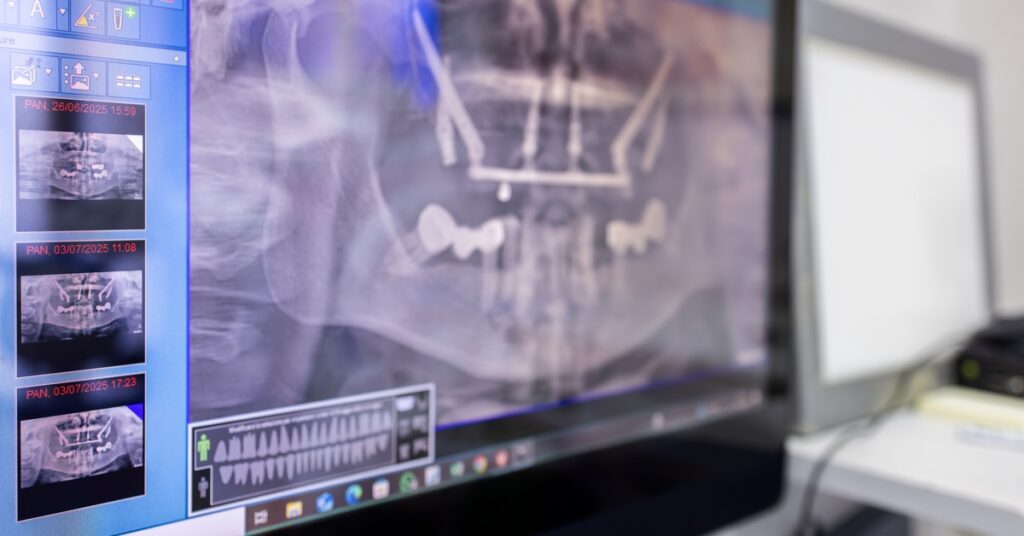
Digital 3D X-rays reveal difficult-to-view areas, giving dentists a full understanding of the patient’s oral health.
CAD/CAM systems enable precise digital planning for crowns and veneers.
Laser dentistry allows for targeted treatment of tissues during procedures such as gum contouring, periodontal therapy, cavity removal, and soft tissue lesion treatment.
Ozone therapy uses medical-grade oxygen that’s transformed by a generator into ozone to eliminate harmful bacteria in the mouth.
At the same time, patients benefit from seeing images and scans that make findings easy to understand. The outcome is patients who feel informed and confident in their care.
Amalgam Removal Uses Precautions
Mercury amalgam fillings represent one area where holistic dentistry has a distinct process. Some patients want to remove old silver fillings because they worry about the potential health risks of mercury particles or vapor entering the body.
A holistic dentist addresses amalgam removal seriously. Asheville Holistic Dentist uses SMART-certified protocols through IAOMT training to isolate the tooth and prevent particles and vapor exposure. With extensive precautions—including suction, water irrigation, filtration, and protective barriers—SMART-certified dentists can provide patients with safe amalgam removal and replace them with biocompatible materials.
Choose Care Based on Your Personal Health Goals
The choice between holistic and traditional dentistry reflects what a patient prioritizes because their differences lie in the approach to treatment. Both options support oral health when the dentist communicates clearly and provides quality care. Traditional dentistry centers on oral diagnosis and repair, while holistic dentistry adds a whole-body perspective through biocompatible materials and advanced technology.
Patients deserve a dentist in Asheville, NC, who validates their concerns and supports their long-term health goals. Asheville Holistic Dentist is a team of holistic healthcare professionals who focus on prevention and restorative care. Call today to learn more about our patient-centered approach and personalized treatment plans.
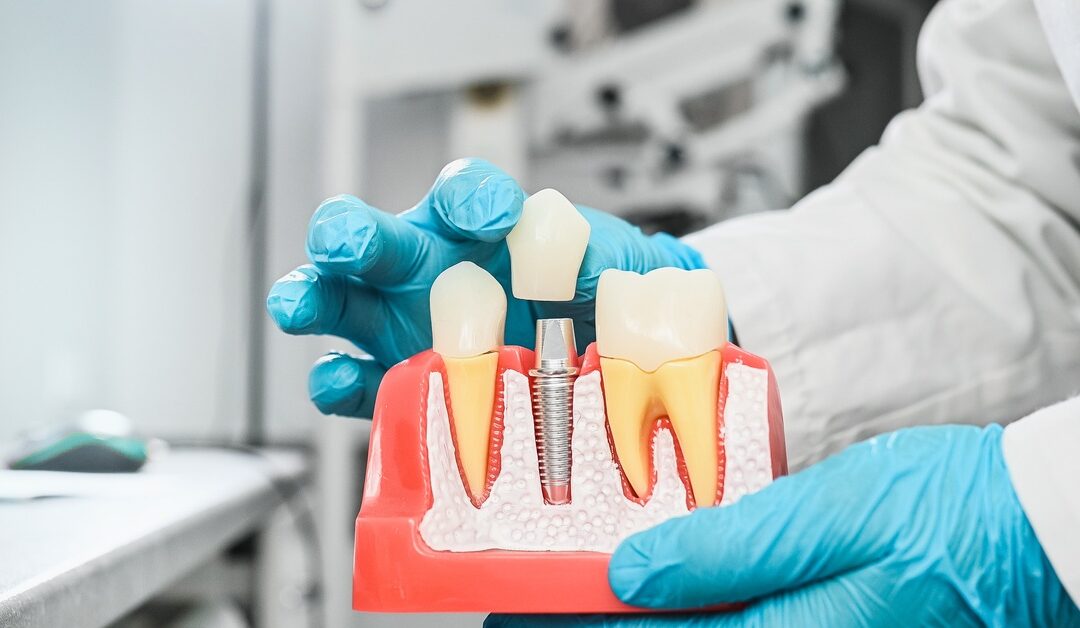
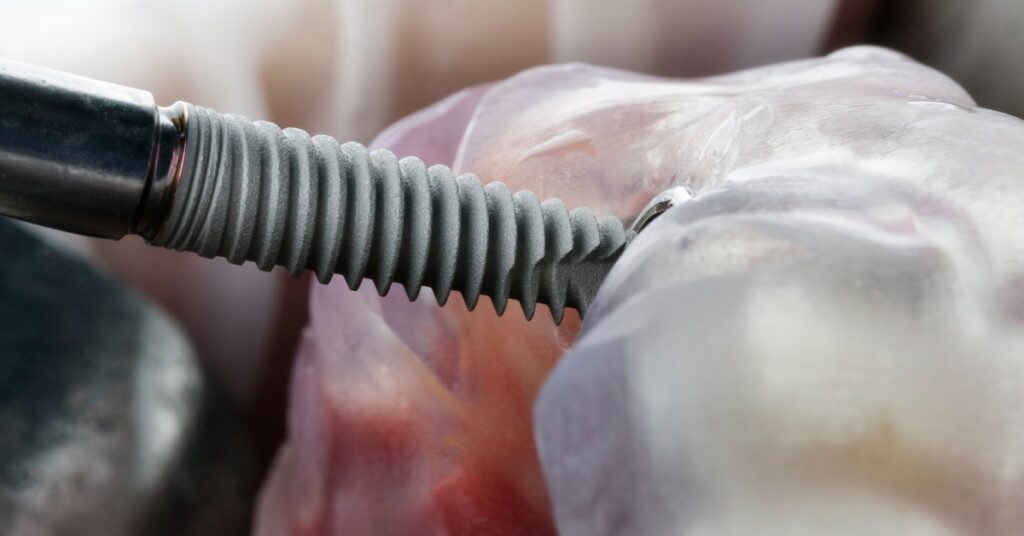
Dental implants replace missing tooth roots with small posts placed in the jawbone. Once the implant heals with the surrounding bone, a dentist attaches a crown or another restoration above it. The result restores the tooth’s shape and eases daily functions.
Still, implants aren’t suitable for every patient. A healthy smile needs enough bone support and stable gum tissue before a dentist can recommend implants. Before treatment begins, a dentist studies the mouth and decides whether someone is a good candidate for dental implants.
You Have Missing Teeth
A missing tooth changes much more than the appearance of a smile. The gap alters chewing patterns and shifts pressure onto the nearby teeth. Over time, excess pressure makes eating uncomfortable and painful.
Implants work best for patients who want to replace one tooth or several teeth. A single implant holds one crown, while several implants can support a bridge or denture when tooth loss affects a large area.
The location of the missing tooth shapes the treatment plan. Front teeth need careful placement because the crown must blend with the smile. The dentist must match the color and shape so the restoration looks natural. Even small differences will stand out when a person speaks or smiles.
The back teeth must have substantial support because molars handle the force of chewing. The dentist may use a wide implant or place more than one implant to distribute the pressure evenly.
Your Gums Are Healthy
An implant is frequently successful when the patient has healthy gum tissue. The gums frame the implant crown and protect the bone underneath. If you have inflamed tissue, the environment becomes difficult to manage.
A dentist will check the color and texture of the gum tissue around the planned implant site. Bleeding or swelling signals active irritation, and deep pockets show that bacteria have damaged the support around nearby teeth.
Patients with healthy gums are usually in a stronger position for implant treatment. Still, gum inflammation doesn’t always rule out this option. A dentist may recommend periodontal care first so the tissue can support the implant site in the future.
Your Jawbone Has Ample Support
Solid bone is essential for dental implant treatment because the post sits inside the jaw. The dentist places the implant post into a carefully prepared space within the jawbone, so it functions like an artificial tooth root.
During the healing process, the bone bonds with the implant surface through osseointegration. This helps anchor the post securely in place, giving the restoration the strength it needs to withstand everyday chewing.
Some patients lose bone after teeth have been missing for a long time. Others lose support after gum disease.
A dentist reviews bone height and bone width before recommending placement. Three-dimensional imaging can show the ridge shape from several angles. Those measurements help the dentist choose an implant size that fits the available space.
Your Overall Health Supports Healing
Implant treatment depends on the body’s ability to heal around the post. Good general health supports bone integration and gum recovery. Certain medical conditions—such as uncontrolled diabetes or autoimmune disorders—may affect how the mouth responds after the surgery.
A dentist will review the patient’s health history before moving ahead. Medications and chronic health concerns, like osteoporosis or heart disease, could influence the treatment plan. The dentist’s goal is to understand risk before a patient commits to implant placement.
Patients who heal well after dental procedures often have a favorable foundation for implants. Even when health concerns are present, dentists want to protect the patient. A careful plan is necessary to reduce complications and improve comfort during each stage.
Gum Disease Is Under Control
Implants need a clean and stable environment. Healthy tissue helps protect the post after the crown or denture attaches. Past gum disease doesn’t automatically prevent dental implant treatment. However, active gum disease needs attention first. The same bacteria that damages the natural teeth will threaten the tissue around the new implant.
During the evaluation, the dentist will look for bone loss and active infection. If needed, they’ll address gum disease through deep cleanings or periodontal therapy. The dentist can reassess the area once the disease stabilizes.
Your Bite Has Enough Space
Dental implants support restorations that must fit into the bite. The planned restoration needs room above the gumline. Limited space can make the restoration bulky or difficult to clean.
A dentist studies how the upper and lower teeth meet. Grinding habits can reduce vertical room and stress the future implant crown. In addition, crowded teeth can create placement challenges near the empty space.
When teeth overlap or shift out of alignment, they limit access to the implant site. Crowding may force the dentist to adjust the implant position, which will affect how the final crown fits within the bite. As a result, the restoration may not align properly with surrounding teeth.
Crowded teeth can also trap plaque and make daily cleaning more difficult. Over time, this buildup irritates the gums and increases the risk of inflammation around the implant. Healthy tissue is essential for long-term implant success, making it necessary to address these risks first.
Enough bite space helps the dentist design a restoration that feels natural. Proper clearance also supports chewing function after healing. In some cases, the dentist may recommend orthodontic treatment or reshaping before implant placement begins.
You Want Stable Chewing Support
Many patients consider implants because removable appliances don’t meet their daily needs. A stable replacement reduces movement in the mouth that people notice with traditional dentures.
Implants can support a single crown or a larger restoration. Each design uses the jawbone for support instead of resting only on the gums. That foundation can improve comfort during meals and conversation.
You Commit to Good Daily Hygiene
Implants don’t get cavities because the post and crown aren’t natural tooth structure. The surrounding gum tissue still needs careful cleaning every day. Plaque can collect around the crown edge and irritate the tissue.
The ideal candidate understands that implants require consistent home care. Brushing around the restoration and cleaning between teeth protect the gumline. Additionally, routine dental exams give the professionals a chance to monitor bone and tissue health.
A commitment to oral hygiene becomes especially important with implant-supported dentures or full-arch restorations. Small spaces around attachments can trap debris. With regular care, the restoration will function properly.
The Next Step: Schedule a Consultation
Dental implants are beneficial for restoring people’s smiles. To find out if you’re a good candidate for dental implants, schedule a consultation with Dr. Peter Pang.
The exam for Asheville dental implants will review your gum health, bone support, and overall wellness. Afterward, our team will create a personalized treatment plan based on your current health and future goals.
A CPAP machine delivers steady air pressure through a mask during sleep. The pressure holds the upper airway open, so breathing doesn’t pause as easily. While CPAP therapy isn’t a cure for moderate or severe sleep apnea, it supports breathing each night while the machine is in use.