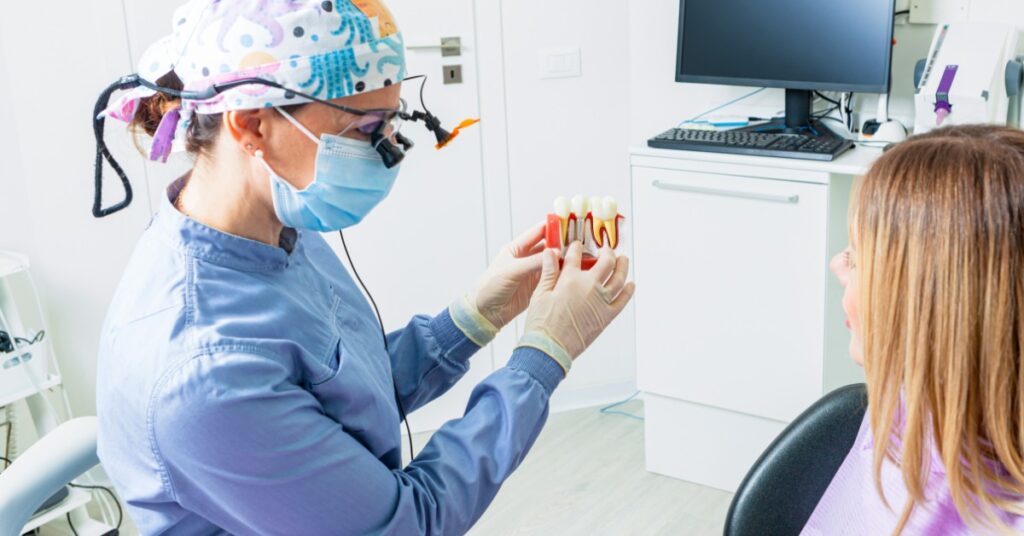
Dental appointments involve procedures that sometimes cause physical discomfort, particularly when patients have sensitive teeth or concerns about unfamiliar equipment. Fortunately, advancements in dentistry have introduced treatment methods that address many of these experiences without compromising the quality of care. From gentle laser procedures to digital scanning, modern dental technology improves patient comfort by changing how dental professionals diagnose problems and perform treatments.
1. Laser Dentistry
Dental lasers use concentrated beams of light energy to perform procedures involving teeth, gums, and other oral tissues. Depending on the type of laser, dental professionals use specific wavelengths to remove decayed tooth structure, treat diseased gum tissue, or reshape soft tissues. Because lasers interact with tissues through light energy, they operate differently from conventional instruments that rely on mechanical cutting or abrasion.
Minimizes Noise and Vibration During Treatment
For patients who associate dental appointments with the high-pitched sound of a drill, laser dentistry offers a welcome change. Many procedures that use rotary instruments produce vibrations that travel through the tooth and jaw, creating sensations some individuals find unpleasant.
Lasers operate without the same mechanical contact, eliminating much of the drilling noise and vibration during suitable treatments. Patients with dental anxiety may appreciate the quieter experience, particularly if previous appointments have made them sensitive to these sensations. However, certain procedures still involve conventional instruments, depending on the condition of the tooth.
Limits Irritation to Surrounding Tissues
When treating a cavity or an area of diseased gum tissue, dental professionals must work carefully to preserve healthy structures. Laser technology provides precise control over the treatment area, allowing practitioners to remove affected tissue without disturbing adjacent surfaces.
During certain cavity procedures, lasers selectively remove decayed material while preserving healthy enamel. For soft tissue treatments, the focused energy limits mechanical contact with neighboring tissues, potentially decreasing irritation throughout the procedure. Although local anesthesia remains necessary in some circumstances, patients may experience less discomfort during laser treatments.
Promotes a Gentle Recovery Experience
Soft tissue procedures sometimes leave patients with soreness, swelling, or minor bleeding as the gums begin healing. Certain dental lasers help manage these concerns by sealing small blood vessels during treatment, limiting bleeding at the procedure site.
The focused application can minimize trauma to surrounding tissue, contributing to a manageable recovery for appropriate procedures. Some laser treatments eliminate the need for sutures, although the extent of treatment and individual healing response influence what patients experience afterward.
2. Digital Dental Impressions
Traditional dental impressions involve placing a tray filled with impression material over the teeth to capture their shape. Digital impressions accomplish the same general purpose through an intraoral scanner, a handheld device that collects detailed images of tooth surfaces. Specialized software combines the images into a three-dimensional model that dental professionals use to plan restorations.
Eliminates Bulky Impression Trays
Conventional impression trays occupy considerable space inside the mouth, and the material must remain in position until it sets. During those minutes, patients must accommodate the tray’s shape, texture, and pressure against their teeth and surrounding tissues.
Digital scanning replaces this process with a compact wand that moves along the dental arches. Without impression putty filling the mouth, patients avoid the sticky texture and sensation of material pressing against their teeth. The scanning process allows brief pauses when necessary, giving individuals an opportunity to rest their jaw before continuing.
Eases Discomfort for Sensitive Gag Reflexes
Some individuals experience gagging when dental materials touch sensitive areas near the tongue or back of the mouth. Traditional impression trays occasionally trigger this reflex because they cover a substantial portion of the dental arch and hold material near those sensitive tissues.
Intraoral scanners capture images without requiring a mouthful of impression material. Dental professionals guide the wand around individual tooth surfaces, adjusting its position and allowing breaks when sensitivity becomes troublesome. Although scanning near the back teeth can still trigger gagging, the absence of bulky trays helps many patients tolerate the procedure.
3. CEREC Same-Day Dental Restorations
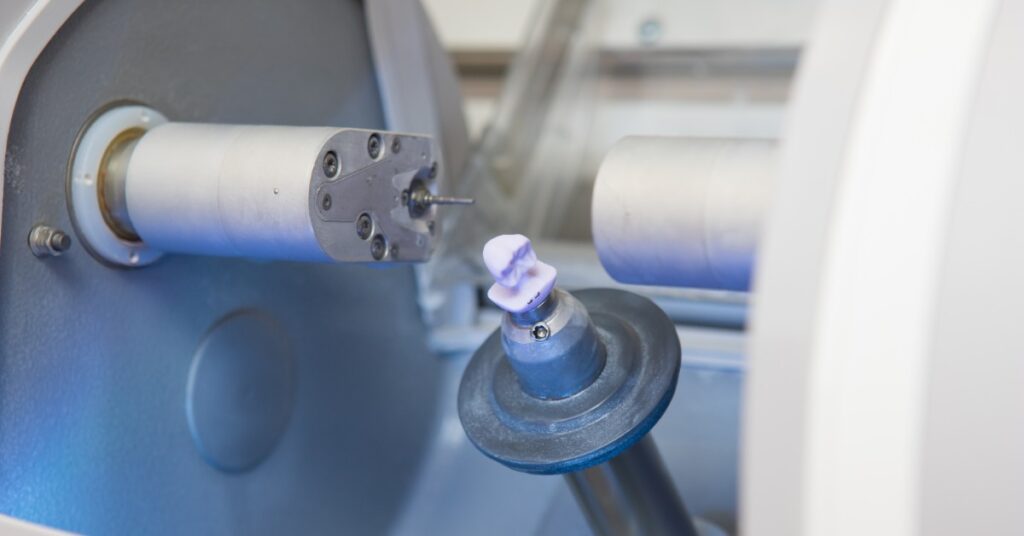
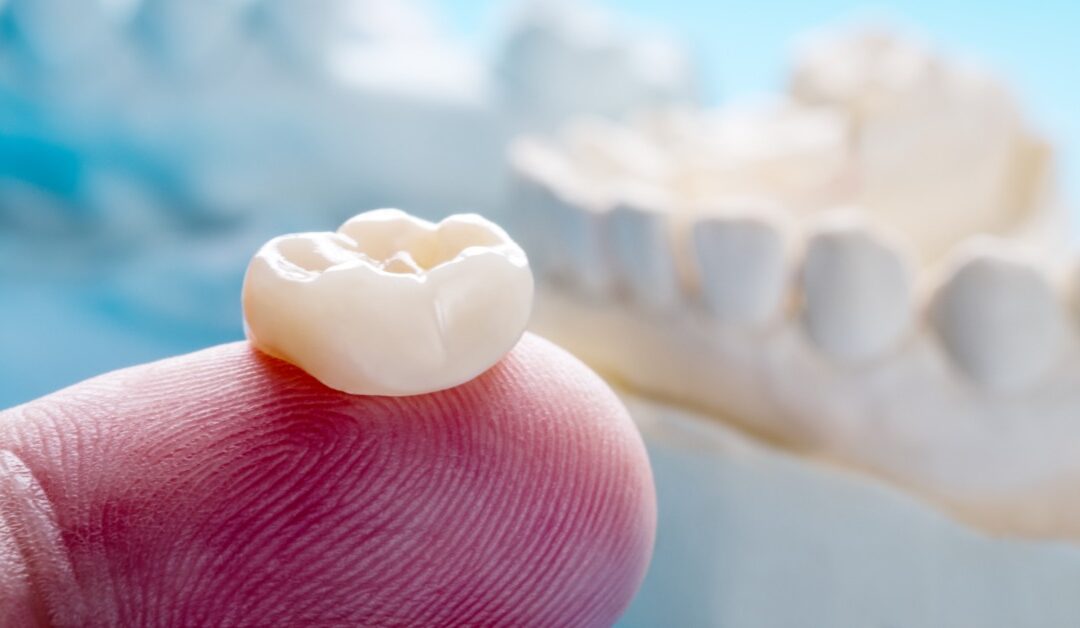
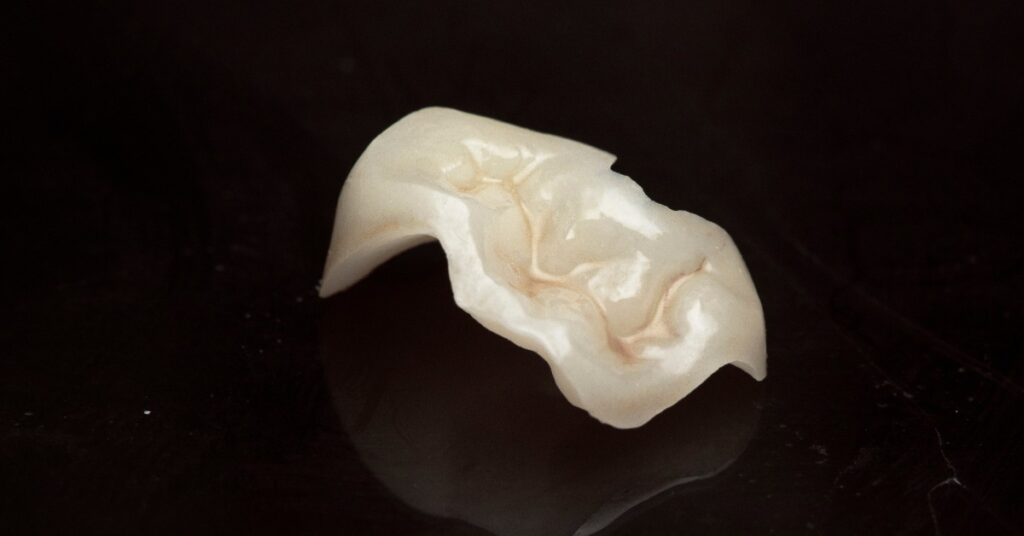
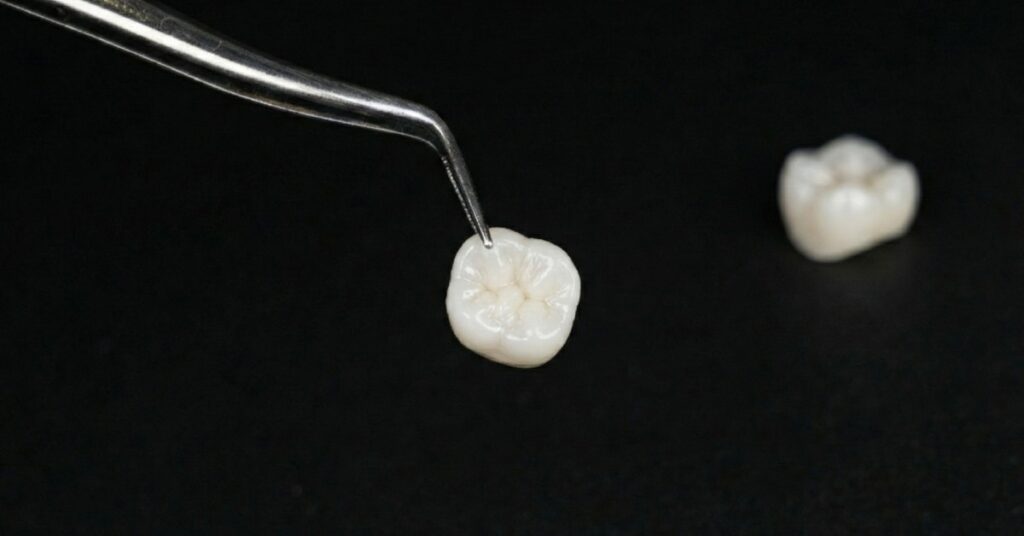
CEREC uses computer-aided design and manufacturing technology to produce customized ceramic restorations in a dental office. After capturing a digital impression, the dental professional designs the restoration using specialized software. An in-office milling machine shapes a ceramic block into a crown, inlay, or onlay.
Limits the Number of Dental Appointments
Receiving a conventional laboratory-fabricated crown typically involves separate appointments for preparing the tooth and placing the permanent restoration. Between these visits, patients must wait for the dental laboratory to manufacture the crown according to the provided specifications.
CEREC allows eligible patients to complete preparation, restoration design, fabrication, and placement during one appointment. Consequently, they avoid returning for a separate placement visit and potentially receiving another local anesthetic injection. Although the initial appointment takes time, completing the treatment in one session eliminates the inconvenience of scheduling multiple visits.
Avoids Discomfort From Temporary Crowns
When a dental laboratory manufactures a permanent crown, patients typically wear a temporary restoration to protect the prepared tooth. These temporary crowns serve an essential purpose, but they occasionally loosen, irritate surrounding gum tissue, or cause sensitivity when eating certain foods.
Same-day CEREC treatment eliminates the temporary stage. Once the milling process finishes, the dental professional checks the ceramic restoration’s fit, evaluates the bite, and secures it to the prepared tooth. Patients leave with a completed restoration.
4. Digital 3D Dental Imaging
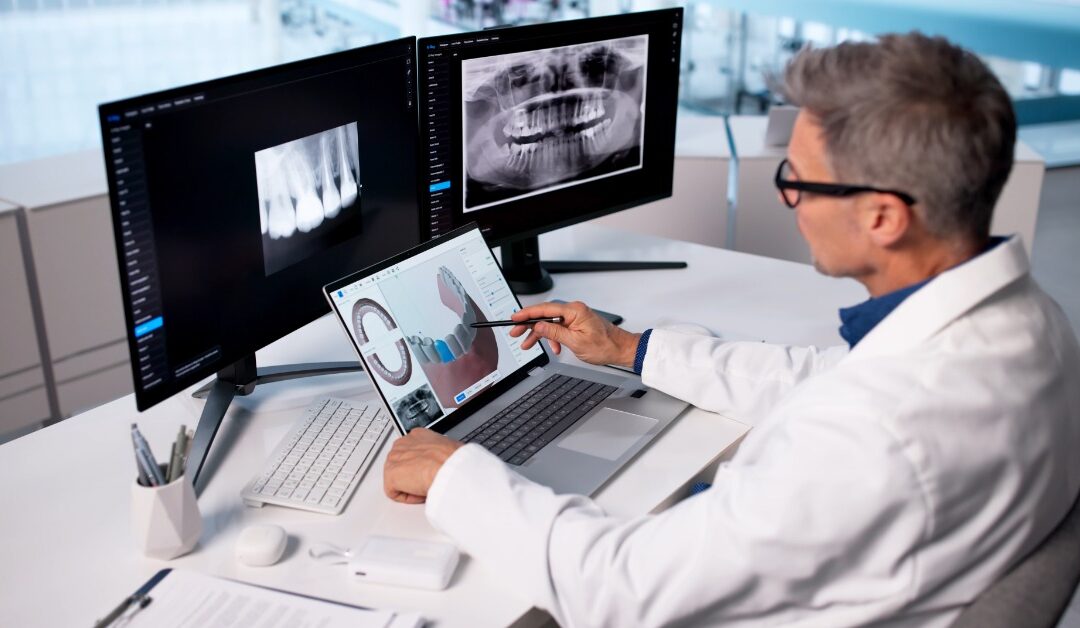
Digital three-dimensional imaging gives dental professionals a detailed view of structures beneath the visible surfaces of the teeth and gums. It captures X-ray information from multiple angles to reconstruct the teeth, jawbone, and surrounding anatomy. Dental professionals review these images when evaluating complex conditions or planning procedures such as implant placement.
Improves Precision in Treatment Planning
Certain dental procedures involve anatomical structures that professionals must locate accurately before treatment. For example, implant placement involves examining available jawbone and identifying nearby nerves or sinus cavities to determine an appropriate position.
Digital 3D images reveal these relationships from multiple perspectives. Thorough preparation using this technology forms the procedure around the patient’s anatomy. Although imaging cannot eliminate every complication, detailed planning provides a controlled experience.
Helps Patients Understand Upcoming Procedures
Uncertainty about a dental diagnosis sometimes contributes to anxiety, particularly when someone faces an unfamiliar treatment. Verbal explanations don’t always communicate the location of a damaged tooth, the extent of bone loss, or the purpose of a recommended procedure.
With digital imaging, dental professionals show patients detailed views of the affected area and explain the findings directly on a screen. Seeing the structures involved helps individuals understand why treatment is necessary and what the procedure involves. As a result, patients enter appointments with realistic expectations and an opportunity to discuss concerns beforehand.
Experience Modern Dental Care That Eases Your Comfort
Modern dental advancements improve patient comfort by evaluating the patient’s anatomy and customizing the treatment method. At Asheville Holistic Dentist, Dr. Peter Pang combines advanced technology with a holistic, minimally invasive approach to dental care. If you’re looking for a dentist in Asheville, NC, who prioritizes patient comfort, schedule an appointment. The team at our practice will explain how laser dentistry, digital imaging, and customized restorations could fit into your dental health goals.
Most people have heard that twice-yearly cleanings belong in a healthy dental routine, but the timing depends on each individual’s health. Gum condition, tartar, previous periodontal treatment, and changes in overall health influence how frequently a person returns for professional care. For someone with stable gums, six months may provide an appropriate rhythm, while another patient may benefit from visits every three or four months. Here’s what you need to know about scheduling dental cleanings to protect your oral health.
Every Six Months for Stable Oral Health
A six-month cleaning schedule commonly fits patients whose gums remain healthy and whose plaque and tartar levels stay manageable between appointments. At each visit, the hygienist removes hardened deposits that brushing and flossing cannot lift. Then, they check the gumline for irritation or bleeding.
The dentist compares current findings with previous exams and watches for minor changes before they turn into serious concerns. When the mouth remains stable, twice-yearly care gives the dental team a consistent opportunity to maintain that condition.
The visit also helps confirm that the existing schedule still fits. A person who develops heavy tartar, new inflammation, or changes in saliva flow may no longer match the same pattern seen six months earlier. The dental team adjusts timing according to current findings rather than treating the recall interval as permanent.
Every Three to Four Months for Gum Concerns
Patients with a history of periodontal disease, deep gum pockets, recurring inflammation, or persistent bleeding frequently return every three to four months. This schedule gives the hygienist regular access to areas around and below the gumline where bacterial deposits collect.
Waiting six months may leave too much time between cleanings for someone whose gums require close attention. A three- or four-month interval focuses the appointment on preserving gum stability and limiting deposits around vulnerable tissue.
These visits serve a different purpose from a standard preventive cleaning. The hygienist pays close attention to areas affected by previous periodontal disease, removes plaque and tartar along the gumline, and tracks changes in the tissue. Periodontal measurements show whether pockets remain stable or whether certain areas require additional care. Repeated findings help the dental team determine whether the current interval still matches the patient’s periodontal condition.
Periodontal Maintenance Focuses on Gum Stability
After periodontal treatment, cleanings shift toward ongoing maintenance of the tissues around the teeth. Bacteria and tartar collect in spaces that remain difficult to reach with a toothbrush or floss, especially around deep pockets. Professional maintenance disrupts those deposits and gives the hygienist a chance to evaluate bleeding, inflammation, and pocket depths. The appointment centers on maintaining progress from previous periodontal care.
Medical Changes Affect Timing
Oral health does not function separately from the rest of the body. Various medical conditions, changes in immune function, or medications alter how the gums and teeth respond to plaque. Dry mouth, for example, changes the oral environment because there isn’t substantial saliva available to rinse food particles and balance acids. When a health change affects gum condition or buildup patterns, the dentist factors that information into the treatment.
More Frequent Visits for Heavy Buildup
Some patients accumulate tartar quickly even when they brush and floss consistently. Saliva composition, crowded tooth surfaces, orthodontic appliances, dry mouth, and hard-to-reach areas contribute to deposits returning between appointments. In those cases, the dentist may recommend an interval that brings the patient back before buildup becomes extensive. The recommendation depends on how much tartar forms, where it collects, and whether nearby gum tissue shows irritation.
A cleaning for heavy buildup focuses on removing deposits from the areas that repeatedly collect them and checking how the gums respond. If several appointments show reduced tartar and improved tissue, the dental team reevaluates the timing. If deposits continue to return quickly, maintaining a frequent schedule may remain appropriate. Patterns across several visits give the dentist useful information that a single appointment cannot provide.
Your First Cleaning Sets the Schedule
Patients who do not know when they last had a professional cleaning do not have to choose an interval on their own. The first appointment gives the dental team a baseline by showing current plaque and tartar levels, gum condition, existing restorations, sensitivity, and signs of active dental disease. Periodontal measurements and a clinical exam provide additional context about gum health. From there, the dentist recommends a recall interval that reflects the mouth’s current condition.
A thoughtful evaluation should include more than what appears on the tooth surface. Medications, physical symptoms, sleep concerns, dry mouth, inflammation, and other health changes influence oral health or the way a patient experiences dental care. Discussing those details helps the dentist understand the patient as a whole and connect oral care with broad wellness goals. For someone seeking a holistic approach, that conversation gives the cleaning schedule a purpose beyond returning on a preset date.
Cleaning Frequency Changes With Oral Health
A recall schedule shifts as oral health changes. Someone who begins with frequent periodontal maintenance may eventually show stable pocket measurements and less inflammation, while another patient on a six-month routine may develop concerns that call for closer monitoring. The dental team bases those decisions on current findings and patterns from previous visits. Each appointment provides new information about how the teeth and gums respond between cleanings.
Changes don’t always signal that something has gone wrong. A new medication, pregnancy, orthodontic treatment, reduced saliva flow, or a physical limitation that affects oral hygiene can alter the amount of professional care that fits a particular period. Regular evaluations allow the schedule to respond to those circumstances. The goal is to match the interval with the patient’s present oral condition instead of treating one recommendation as permanent.
Know When Your Next Cleaning Is Due
If it has been several months since the last cleaning, or if the previous schedule no longer seems to fit, an evaluation provides a useful starting point. Asheville Holistic Dentist considers the teeth and gums alongside whole-body health when planning preventive care. That approach helps patients understand how often to schedule dental cleanings according to their current oral health and wellness goals.
To establish a baseline, schedule a dental cleaning with Asheville Holistic Dentist. The dental team reviews oral findings, health history, and current concerns before recommending a schedule tailored to the patient’s situation.
Patients who pay close attention to what goes into their bodies bring the same intentionality to their health care. While silver fillings are a common treatment method for cavities, they don’t suit every patient’s preference. Some individuals might lean toward choosing mercury-free dental treatments. Here’s what you need to know about this treatment method.
Amalgam Fillings Contain Metal Materials
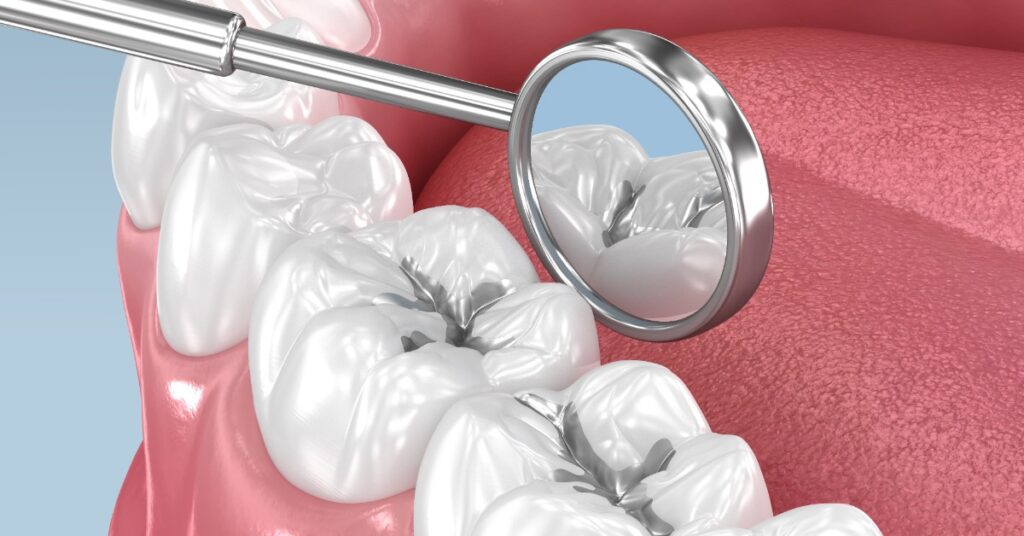
Dental amalgam combines mercury with silver, copper, tin, and sometimes zinc. According to the U.S. Food and Drug Administration, mercury accounts for about half of an amalgam filling by weight. Mercury binds the other metal particles into a workable mixture that hardens after a dentist places it in a cavity. Dentists have used amalgam for generations because the hardened material withstands substantial chewing pressure.
The familiar term “silver filling” describes its appearance, not its full composition. Patients who never discussed restoration materials in the past sometimes discover years later that a filling contains mercury. Once they understand the material, some begin asking whether they would choose the same type of restoration today.
Why Does Mercury Exposure Raise Safety Questions?
Amalgam fillings release low levels of mercury vapor as they deteriorate over time. Activities such as chewing and grinding affect that release, and placement or removal temporarily increases vapor exposure. The FDA states that research has not shown conclusive evidence that dental amalgam causes harmful health effects in the general population. The agency identifies people who are pregnant or nursing, children under six, people with neurological or kidney conditions, and people with sensitivities to amalgam metals as higher-risk groups. They recommend avoiding amalgam when possible and appropriate for these patients.
Those distinctions influence how people think about future dental work. Some patients selecting a new filling prefer a material that contains no mercury, even when they have never experienced a problem with amalgam in the past. Others simply want to limit an avoidable source of metal exposure as part of a cautious approach to personal wellness.
The Reasons Why Patients Choose Mercury-Free Fillings
Patients Want To Control Material Selection
Modern restorative dentistry gives patients several materials to consider, so a filling decision doesn’t have to feel automatic. People who value biocompatibility sometimes ask what a restoration contains, how it interacts with oral tissues, and whether it matches their personal health preferences. Mercury-free doesn’t mean that one material suits every tooth or every patient. Each option has unique properties and possible sensitivities.
Resin Fits Conservative Repairs
When decay leaves a relatively small opening, tooth-colored resin provides a mercury-free option that bonds to tooth structure after the dentist removes the decay. Dentists match the shade to nearby enamel, so the final restoration blends into the smile. Patients who want to avoid certain compounds might select BPA-free resin.
Porcelain Restores Extensive Damage
Large fillings sometimes leave thin walls or weakened cusps after a dentist removes the old material. In those situations, porcelain inlays, onlays, or crowns restore missing structure and handle chewing forces across a broad area. Porcelain contains no mercury, and its tooth-colored appearance appeals to patients who need a structural repair and want a natural-looking result.
Tooth-Colored Materials Match Aesthetic Preferences
Health concerns don’t drive every material choice. Silver amalgam creates a dark contrast against enamel, especially on teeth that show when a person laughs or opens their mouth. Resin and porcelain let dentists restore damaged areas with shades that resemble natural teeth, so the dental work attracts less attention.
Appearance becomes especially relevant when a patient already needs a failing restoration replaced. Choosing a tooth-colored material lets the new restoration address the damaged area without introducing another visible metal filling. For many people, that combination of function and appearance makes a mercury-free option appealing.
Aging Fillings Prompt New Decisions
Existing fillings change along with the teeth around them. Years of chewing, grinding, temperature changes, and normal wear affect the filling margins and surrounding enamel. A patient might notice sensitivity, a rough edge, pain with chewing, or a visible crack, though some failing restorations produce few noticeable symptoms.
A dental evaluation separates concerns about material composition from concerns about the tooth itself. If decay develops around a filling or the remaining tooth structure weakens, a dentist may recommend replacement regardless of whether the restoration contains mercury. At that point, patients have an opportunity to select a mercury-free material that fits the size of the repair and their treatment preferences.
Whole-Body Priorities Shape Material Choices
Patients who seek holistic dental care frequently want treatment decisions to reflect more than the immediate cavity. They consider material composition, chemical sensitivities, previous reactions, and personal wellness goals when reviewing restorative options. A biocompatible approach takes those preferences seriously.
That perspective encourages a detailed conversation before treatment. Instead of viewing a filling as a generic product, the patient and dentist consider how much tooth structure remains and what material best suits the location. The discussion leads to an individualized restoration plan that reflects the tooth and the patient’s priorities.
The Importance of Safe Amalgam Removal
Choosing a mercury-free filling for new decay differs from deciding what to do with an existing amalgam restoration. When replacement is appropriate, some patients specifically seek a dental office that follows added precautions during removal.
The International Academy of Oral Medicine and Toxicology (IAOMT) developed the Safe Mercury Amalgam Removal Technique, or SMART, to reduce exposure to mercury vapor and particles during the procedure. The use of protective barriers, water irrigation, high-volume suction, air filtration, and sectioning the filling into large pieces protects patients from mercury exposure. Patients who value those precautions benefit from finding a SMART-certified dental practice for amalgam removal when an old filling requires replacement.
Review Mercury-Free Options in Asheville
Asheville Holistic Dentist offers mercury-free dental treatments for patients who want restorative care aligned with a holistic approach. Dr. Pang’s office does not place dental amalgam. Instead, the practice uses BPA-free white resin or porcelain restorations.
If you have an old filling that concerns you or you want to discuss mercury-free materials for upcoming dental work, schedule an appointment with Asheville Holistic Dentist. A careful evaluation clarifies the condition of the tooth, explains available restoration materials, and helps patients select the option that reflects their oral health and personal preferences.
Sleep apnea is a sleep disorder that causes breathing to repeatedly pause and restart during sleep. Obstructive sleep apnea, the most common form, develops when tissues in the upper airway block airflow as the muscles relax. These interruptions affect sleep quality, but changes in nighttime breathing sometimes leave clues inside the mouth, too. Being able to recognize the signs that sleep apnea may be affecting oral health helps patients connect mouth dryness, jaw discomfort, and more to an underlying source.
Dry Mouth After Sleeping
Waking with a sticky mouth or an unusually dry tongue could indicate reduced moisture during sleep. People with obstructive sleep apnea breathe through the mouth when upper-airway restriction interferes with normal airflow, exposing oral tissues to air for hours.
Saliva moistens the tongue, cheeks, and gums while clearing food particles and controlling harmful microorganisms. After several hours of dryness, a person could wake with thick saliva, cracked lips, or throat dryness. Medications and medical conditions produce similar symptoms, so morning dryness isn’t specific to sleep apnea. However, repeated dry mouth alongside snoring, gasping, or poor-quality sleep gives the symptom additional context.
Cavities Developing With Persistent Dryness
When dry mouth becomes a regular nighttime problem, the teeth lose part of saliva’s natural protection. Saliva washes away food residue, neutralizes acids, and delivers minerals that protect enamel. A consistently dry oral environment gives cavity-causing bacteria and acids more opportunity to affect tooth surfaces.
Someone who previously had stable dental checkups could begin developing new areas of decay, especially if oral dryness became an issue around the same time. The change doesn’t mean sleep apnea directly caused the cavities. Diet, hygiene, medications, and existing dental conditions all affect the risk of decay. Nevertheless, a pattern of dry mouth followed by new cavities helps dentists understand how nighttime breathing could impact the mouth.
Recurring Mouth Sores
Soft tissues rely on saliva for moisture and lubrication. When the mouth remains dry for much of the night, the tongue, cheeks, lips, and gums have decreased protection from friction.
Dry tissue could feel tender or raw, and small sores could develop in areas that repeatedly rub against the teeth. Persistent dryness may also cause burning sensations or cracked tissue. Mouth sores have many possible causes, including accidental biting, viral infections, and nutritional deficiencies. However, sores that appear alongside pronounced morning dryness could reflect the effect that repeated mouth breathing has on delicate oral tissues.
Repeated Bad Breath in the Morning
Breath odor after waking is common, but pronounced morning bad breath paired with ongoing oral dryness could occur due to sleep apnea. Saliva continually rinses bacteria, dead cells, and food debris from the mouth. Reduced moisture during sleep leaves more of the material on the tongue and around the teeth.
Bacteria break down those substances and release compounds that contribute to unpleasant odor. The effect is very noticeable first thing in the morning after several hours of mouth breathing. When strong morning odor develops alongside dry mouth and disrupted sleep, the combination gives a dentist additional information to consider.
Flattened or Worn Tooth Surfaces
Sleep bruxism involves grinding, clenching, or pushing the jaw during sleep. Sometimes, it occurs alongside obstructive sleep apnea. Repeated contact places substantial pressure on enamel, even when the person doesn’t remember grinding.
Chewing surfaces lose their original contours over time. The edges of front teeth could appear flattened or chipped. Small cracks may develop in enamel or restorations when repeated pressure concentrates on the same areas. A dentist sometimes notices these changes before the patient feels anything unusual. Unexplained wear combined with snoring, breathing pauses, or morning symptoms could prompt a broad conversation about what happens during sleep.
Increased Tooth Sensitivity
Eventually, changes in enamel affect how a tooth reacts to temperature and pressure. Grinding places repeated force on the teeth and can contribute to worn enamel, small cracks, or stress around existing restorations. A patient could feel a brief sharp sensation after drinking something cold or notice tenderness when biting into firm food. Sensitivity can affect one tooth or several areas depending on the source of the problem.
Decay, gum recession, cracks, and recent dental work are common explanations, too. When sensitivity develops alongside visible wear or signs of nighttime clenching, a dentist has reason to consider sleep-related grinding as part of the overall picture.
Jaw Soreness in the Morning
Jaw muscles work hard when a person clenches or grinds during sleep. Repeated contraction leaves the cheeks, temples, and jaw feeling tight upon waking. Some patients notice stiffness when they first open their mouth or tenderness near the temporomandibular joints in front of the ears. Morning timing is useful because the discomfort appears directly after several hours of unconscious jaw activity. The sensation sometimes fades through the day, then returns after another night of clenching.
Inflamed or Bleeding Gums
Redness, swelling, tenderness, or bleeding around the gumline usually points to irritation or inflammation in the periodontal tissues. Plaque accumulation remains a major cause, but persistent dryness removes some of saliva’s normal help with bacterial control and debris removal.
Mouth breathing also leaves the tissues at the front of the mouth feeling dry or irritated after sleep. These changes don’t mean sleep apnea directly caused gum disease, and bleeding gums shouldn’t be treated as a sleep-apnea test. Gum inflammation becomes more relevant when it appears alongside dry mouth, snoring, disrupted breathing, or poor sleep. A dental examination identifies whether plaque, periodontal disease, dryness, or another issue is contributing to the tissue changes.
Discuss Oral Changes With a Dentist
Patterns inside the mouth provide useful information about what happens during sleep, especially when several symptoms appear together. Patients who notice sleep apnea affecting oral health should discuss those changes alongside snoring, breathing interruptions, morning headaches, or daytime fatigue.
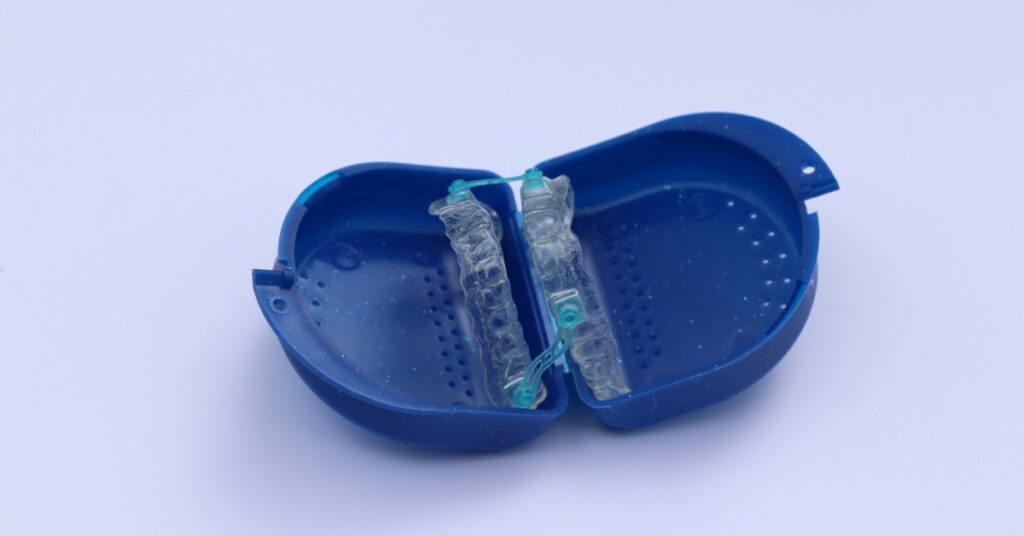
Asheville Holistic Dentist evaluates sleep concerns and offers sleep apnea treatment in Asheville, NC, for patients. Oral appliance therapy isn’t appropriate for every form or severity of sleep apnea, so candidacy depends on the diagnosis and oral health. Using an at-home sleep test and an in-office evaluation, Dr. Peter Pang will determine if an oral appliance is the best course of action. If you’re ready to treat sleep-related symptoms and improve your oral health, schedule a consultation today.
Not every damaged tooth requires the same amount of restorative coverage. A crack may weaken one section of a tooth, while extensive decay could compromise the visible structure.
Dentists may recommend crowns or onlays to restore the damaged tooth structure. If you haven’t heard of these treatment methods before and want to find out which is right for your oral health, here’s what you need to know about the differences between dental crowns and onlays.
What Is a Dental Crown?
A dental crown is a custom restoration that fits over the visible portion of a damaged tooth. Before placing the crown, a dentist prepares the tooth, so the restoration has enough space to sit securely within the bite. The finished crown surrounds weakened structure and forms a new outer surface that handles chewing.
When a tooth has lost substantial structural support from decay or previous dental work, crowns are a beneficial treatment. A large fracture leaves the remaining walls vulnerable to additional stress. After root canal treatment, some teeth receive crowns because the remaining structure requires protection from chewing forces. The exact treatment approach depends on the tooth’s condition and location in the mouth.
What Is a Dental Onlay?
An onlay restores part of the chewing surface instead of surrounding the entire visible tooth. The restoration fits into the prepared area and extends over one or more cusps requiring reinforcement. Healthy enamel outside the damaged area remains uncovered.
Dentists generally consider an onlay after damage exceeds what a filling supports, but there’s healthy structure available. The dentist removes decay or weakened material before shaping the remaining tooth to receive the restoration. Once bonded into place, the onlay rebuilds missing structure and restores contact with the opposing tooth.
How Much Tooth Structure Gets Covered?
Coverage creates one of the clearest distinctions between these restorations. A dentist studies how far damage extends across the tooth before deciding how much surface area the restoration must protect. Preserving the enamel is a priority because natural tooth structure provides valuable support.
Crowns Cover the Visible Tooth
A crown surrounds the prepared portion of the tooth above the gumline. The dentist removes enough outer structure to create room for the restorative material and establish a stable fit. This design becomes useful when several surfaces have extensive damage or the tooth has little dependable structure remaining.
Full coverage distributes chewing pressure across the restoration instead of concentrating force on weakened walls. The crown must fit closely at its margins because those edges meet the natural tooth.
Onlays Cover Damaged Sections
An onlay takes a more localized approach since it replaces the portions that require reinforcing. Depending on the damage, coverage ranges from one cusp to several areas of the chewing surface. Strong sections of natural enamel remain intact outside the preparation.
Preserving healthy structure changes the amount of tooth preparation involved. The dentist focuses on removing compromised material and creating a stable surface for bonding. Therefore, an onlay occupies the space between a filling and a crown in terms of coverage.
What Types of Damage Suit Each Treatment?
The amount of missing tooth structure influences the treatment method, but it isn’t the only clue. Dentists also examine cracks, previous restorations, and the strength of the remaining enamel and dentin. They assess whether the tooth can withstand chewing forces and determine how much support the restoration must provide.
Crowns Support Extensively Damaged Teeth
Severe decay can leave thin walls around a large cavity or an extensive previous filling. These weakened walls may flex each time the patient bites or chews, which increases the risk of fracture. A crown covers the entire visible portion of the tooth and connects the remaining structure into a stronger unit. By surrounding the tooth, the crown distributes chewing forces across the restoration instead of allowing weakened walls to absorb the full pressure.
When large cracks extend across several surfaces, dentists may recommend crowns. Before treatment, it’s essential to evaluate the crack’s depth, direction, and location to determine whether the tooth remains restorable. When enough healthy structure remains, the dentist reshapes the tooth, places a protective crown over it, and restores its normal contour and function.
Onlays Address Localized Damage
Moderate damage may affect one cusp or a defined portion of the chewing surface without weakening the entire tooth. In this situation, an onlay replaces the damaged section while preserving healthy enamel and dentin around it. The dentist removes only the compromised structure and bonds the custom-made restoration to the prepared area. This approach can provide reliable support when a large filling would leave too little tooth structure around the repair.
A fractured cusp provides one common example. The dentist removes the unstable portion, evaluates the remaining cusps and walls, and designs an onlay that fits the missing section precisely. The restoration then reinforces the weakened area while allowing the dentist to preserve surfaces that still have adequate strength. When the remaining tooth structure can support a bonded restoration, an onlay offers targeted coverage without covering the entire tooth.
How Do Dentists Choose a Restoration Option?
Since dental crowns and onlays are different methods, the treatment process begins with a close examination of the affected tooth. Dental images reveal decay depth and structural changes that aren’t obvious from the surface. The dentist then evaluates the remaining enamel to determine whether partial coverage provides enough support.
Chewing forces influence the recommendation because molars absorb substantial pressure. Existing fillings and cracks change how those forces travel through the tooth. The dentist must consider whether exposed walls will remain stable after removing the damaged material.
The goal isn’t to select the largest restoration available. Instead, treatment should replace compromised structure and preserve dependable enamel whenever the tooth permits it.
The Process of Creating Crowns and Onlays
Modern ceramic restorations begin with a digital scan of the prepared tooth. Computer-aided design software converts the scan into a three-dimensional model that supports precise restoration planning. A milling unit then shapes the restoration from a ceramic block in offices equipped with chairside CAD/CAM technology.
Both crowns and onlays require close attention to fit. The dentist checks the restoration against the prepared tooth and evaluates contact with nearby teeth. Bite contact receives another careful review because excess pressure strains the restored tooth. Once the dentist confirms the fit, the selected bonding or cementation method secures the restoration.
In offices equipped with chairside CEREC systems, the dentist completes certain ceramic restorations in one appointment. Keeping the scanning and milling equipment on site removes the separate laboratory stage from this type of workflow. Patients receive a restoration designed from digital information collected from the prepared tooth.
Schedule a Visit To Review Your Restoration Options
A damaged tooth warrants an evaluation before choosing how much coverage it requires. Patients considering dental crowns in Asheville, NC can schedule an appointment with Dr. Pang to review their restorative options. At Asheville Holistic Dentist, we use biocompatible porcelain and CEREC technology to create customized restorations in the office. Schedule a visit, and give your teeth the restored support they deserve.
Having one or multiple missing teeth can make you feel like your smile isn’t as beautiful as it once was. However, this situation can also impact your mouth’s function, too.
A gap changes biting pressure and makes certain foods difficult to chew. It also interferes with speech when the tongue loses contact points used to form several sounds. These physical changes turn a dinner with friends and everyday conversations into stressful situations where you feel self-conscious.
Some people experience anxiety or low self-esteem because they’re constantly thinking about their smile. Fortunately, dental implants are a solution that can restore tooth function, thereby strengthening your confidence as you regain the ability to eat and speak comfortably.
What Are Dental Implants?
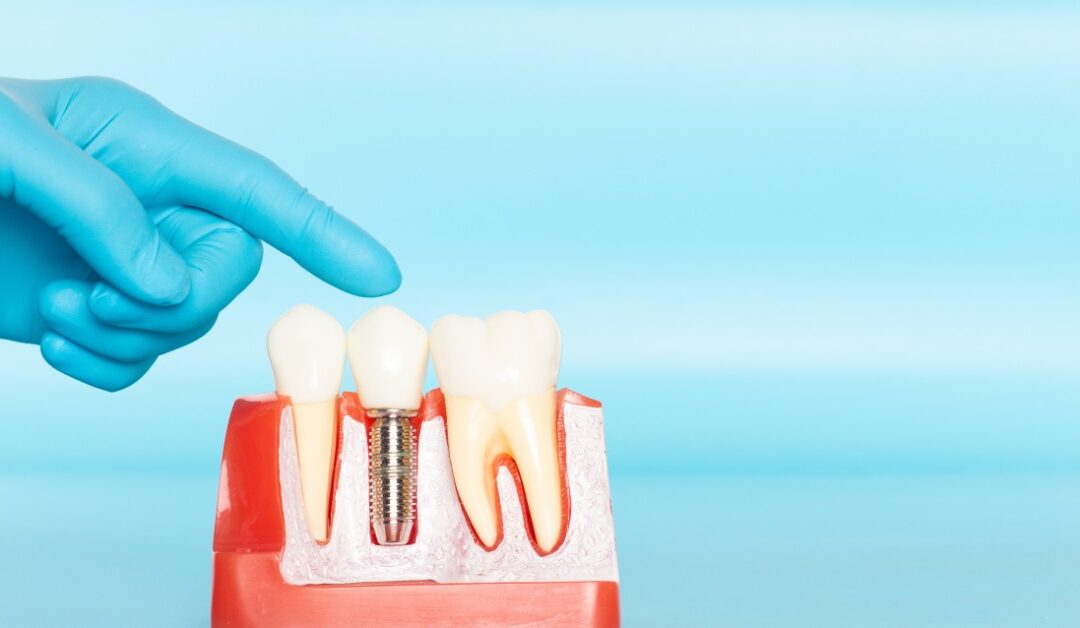
A dental implant is a small titanium post that replaces the root portion of a missing tooth. The dentist places the post within the jawbone at a planned depth and angle. Bone gradually bonds with the implant surface through a healing process called osseointegration. After the site heals, an abutment connects the implant post to the visible restoration.
The restoration depends on the number of missing teeth. A single implant supports one crown in an isolated space. Several implants support restorations across a large area of tooth loss.
Improve Chewing Function
Losing a tooth interrupts the system that distributes biting pressure across the dental arch. Patients sometimes compensate by chewing primarily on the opposite side. Over time, this seemingly harmless habit places disproportionate pressure on the remaining teeth.
An implant restores support beneath the replacement tooth because the titanium post integrates with the jawbone. Once the dentist attaches the restoration, the new chewing surface has a stable foundation beneath the gumline. Proper planning positions the restoration to meet the opposing teeth within the bite. Since the back molars crush food under substantial pressure, this treatment will benefit the back teeth greatly.
Enjoy Meals Around Other People
Difficulty chewing changes the way someone approaches a restaurant meal or family gathering. A person worried about simply eating food sometimes chooses soft items or eats slowly to avoid drawing attention. Some people begin declining social meals because the experience creates embarrassment.
Eating becomes less restrictive after dental implants because food choices no longer revolve around protecting a gap. Instead of each bite requiring careful monitoring, the attention shifts back to conversation and enjoyment of the food. Regaining this routine eases the struggle tied to eating a meal.
Decrease Strain When Speaking
Speech depends on coordinated movement between the tongue and oral structures. Teeth provide contact points that guide airflow and tongue placement for sounds such as “s” and “th.” Without a tooth, the decreased surface alters how air passes through the mouth. A person might have to compensate with different tongue movements to make certain sounds.
An implant restoration fills the missing space with a fixed tooth surface. Once the crown sits in the correct position, the tongue regains a stable contact point for articulation. The replacement restores the dental arch contour where the gap previously interrupted it. These structural changes support clear speech patterns as the mouth adjusts to the addition.
Join Conversations With Less Worry
Talking to friends or having a conversation with a waiter should be something that comes naturally. Because of missing teeth, speaking becomes a demanding task. You might have to slow down your speech or be conscious of avoiding specific words. The situation becomes extremely frustrating as you feel like you can’t communicate with people comfortably.
With dental implants, the open space that contributed to altered airflow or tongue position disappears. Speech becomes more predictable, and conversations require less strain for pronunciation mechanics. Over time, you’ll notice your self-esteem improving because you spend less mental energy anticipating how every word will sound.
Strengthen Jawbone Support
The jawbone responds to mechanical force from natural tooth roots. After a tooth disappears, the bone in that location loses stimulation associated with biting and chewing. The ridge gradually loses volume as the body remodels bone around the empty space.
Dental implants interact with the jaw differently because the post occupies the missing root space. Osseointegration creates direct contact between living bone and the implant surface. Chewing forces then travel through the restoration into the implant and surrounding bone. This connection supports bone preservation around the replacement root.
Bone quantity influences treatment planning. A dentist evaluates ridge height and width before choosing implant dimensions. Three-dimensional imaging reveals areas with limited support, so the plan reflects the patient’s anatomy.
Trust the Smile’s Foundation
Tooth loss creates uncertainty because the empty area changes beneath the gumline. Patients sometimes wonder whether a replacement will remain stable when they bite into dense foods or speak throughout the day. Learning how an implant integrates with bone provides a physical explanation for its support.
The restoration doesn’t depend only on the visible crown. Its titanium post extends into the jaw where bone surrounds the implant surface after healing. This internal foundation makes the restored area seem less fragile to someone who has spent months protecting a missing tooth. Greater trust in the treatments restores the predictability of everyday movement.
Prevent Shifting Teeth
Every tooth occupies a specific position within the dental arch. When one disappears, neighboring teeth lose part of the contact that previously maintained spacing. Teeth beside the gap sometimes drift or tip toward the open area. Changes in alignment alter bite contacts and complicate cleaning.
The implant-supported crown sits between neighboring teeth and recreates contact points along the arch. Those contacts support the spacing established by the surrounding teeth. A single implant stands independently instead of relying on adjacent teeth for support.
Worry Less About Tooth Movement
Watching a gap change leaves patients wondering what will happen to the surrounding teeth next. A tooth that begins leaning into the space makes the smile seem unpredictable. Changes in the bite create another source of concern as the mouth closes differently.
Patients no longer have to view the space as an unprotected area when an implant occupies the gap and establishes contact with the neighboring teeth. There’s no room for the teeth to migrate, strengthening people’s trust in their smile.
Improve Daily Function With Dental Implants
A carefully planned dental implant treatment restores function and confidence by rebuilding support where tooth loss has changed everyday habits. If you’re ready to learn more about dental implants in Asheville, NC, Asheville Holistic Dentist is available to assist. Our team prioritizes treatments tailored to each patient’s oral health and overall wellness goals. With our practice’s support, you’ll feel confident in your smile again.