
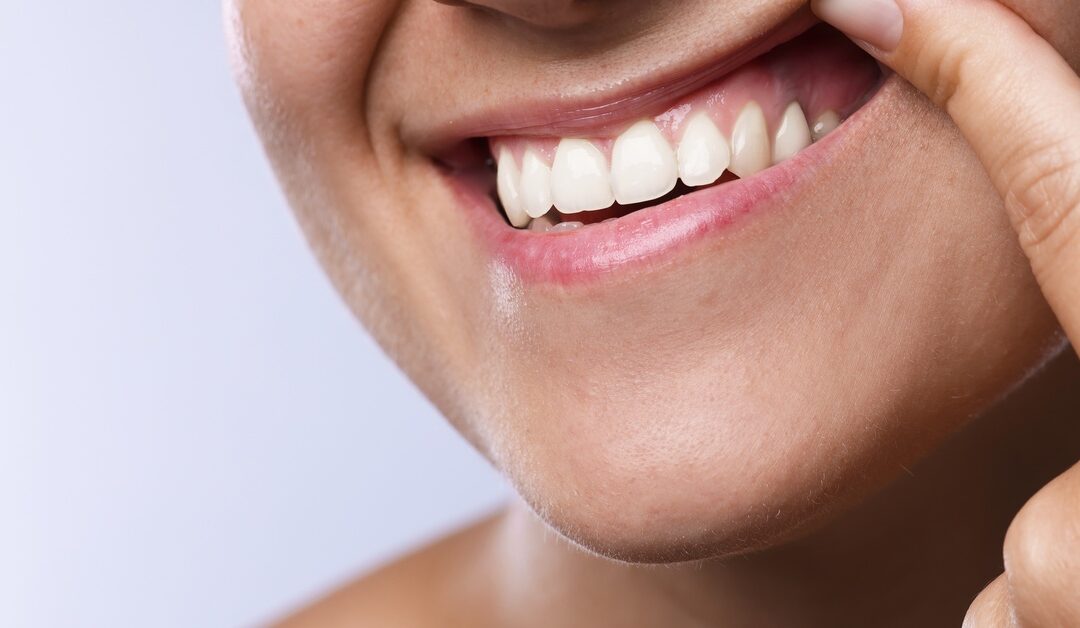
If you are dealing with severe dental issues, like multiple missing teeth or chronic jaw pain, you might feel overwhelmed and unsure where to turn for help. These problems affect your ability to eat and speak comfortably. The toll on your confidence and overall well-being is substantial. Fortunately, full-mouth reconstruction is possible through a holistic approach.
The treatment goes beyond fixing one tooth at a time. Holistic dentists address the root causes of your oral health struggles. By viewing the mouth as an integrated part of the whole body, this method restores function and aesthetics while promoting long-term systemic health.
Reasons Why Patients Need Full-Mouth Reconstruction
Full-mouth reconstruction isn’t a single procedure but a combination of restorative treatments designed to rebuild a smile. Several situations might lead a patient to need this extensive level of care.
Severe Tooth Decay and Gum Disease
Untreated cavities enable decay to spread deep into the tooth structure. Decay might reach the nerve and cause infection, pain, and the eventual loss of the tooth.
Similarly, advanced periodontal disease attacks the gums and the bone that supports the teeth. As the bone recedes, teeth become loose and may fall out or require extraction.
In these cases, simple fillings or single crowns aren’t enough. Patients need a comprehensive plan to eliminate infection, restore gum health, and rebuild the damaged or missing teeth.
Trauma or Injury
Accidents happen, and sometimes they result in extreme damage to the mouth. A fall, a car crash, or a sports injury might knock out teeth, fracture roots, or break jawbones. The trauma affects multiple areas of the mouth and requires a coordinated effort to repair the damage. Reconstruction in these scenarios focuses on restoring the structural integrity of the jaw and teeth while also ensuring the patient regains a natural-looking smile.
Severe Wear From Teeth Grinding
Chronic teeth grinding, or bruxism, wears down the enamel over time. As the protective outer layer of the tooth erodes, the softer dentin underneath becomes exposed. Tooth sensitivity and an increased risk of decay are common concerns.
In severe cases, the teeth become significantly shorter, which collapses the bite. This change in the bite alignment strains the jaw joint (TMJ) and muscles, causing headaches and facial pain. Reconstruction restores the height and shape of the patient’s original teeth, alleviating strain on the jaw and protecting the remaining tooth structure.
Congenital Conditions
Some people are born with conditions that affect the development of their teeth and jaws. Ectodermal dysplasia, for example, can cause missing or misshapen teeth. Amelogenesis imperfecta results in soft or thin enamel that breaks easily. Restorative work provides the patient with a functional and aesthetic set of teeth.
Standard Reconstruction Options
In a standard dental setting, the focus of full-mouth reconstruction is primarily mechanical. The dentist looks at the damaged teeth and determines the best way to repair or replace them. Common treatments include bridges, crowns, veneers, and dental implants. The goal is to establish a functional bite and an aesthetically pleasing appearance.
While this approach effectively repairs the teeth, it sometimes overlooks the connection between the materials used and the patient’s overall health. The biocompatibility of the materials might not be a priority.
Additionally, some dentists won’t address the root causes of the dental issues. The treatment plan focuses on the symptoms—the damaged teeth—rather than the underlying health of the patient.
A Holistic Approach to Full-Mouth Reconstruction
A holistic dentist approaches full-mouth reconstruction differently. While the goal is still to restore function and aesthetics, the methods and materials used prioritize the patient’s overall health. This approach considers how oral health impacts the rest of the body and vice versa.
Biocompatible Materials
One of the cornerstones of holistic dentistry is the use of biocompatible materials. This means avoiding metals like mercury amalgam or nickel, which can cause allergic reactions or toxicity in some patients. Instead, holistic dentists use high-quality ceramics and customized solutions to guarantee biocompatibility.
CAD-CAM Technology
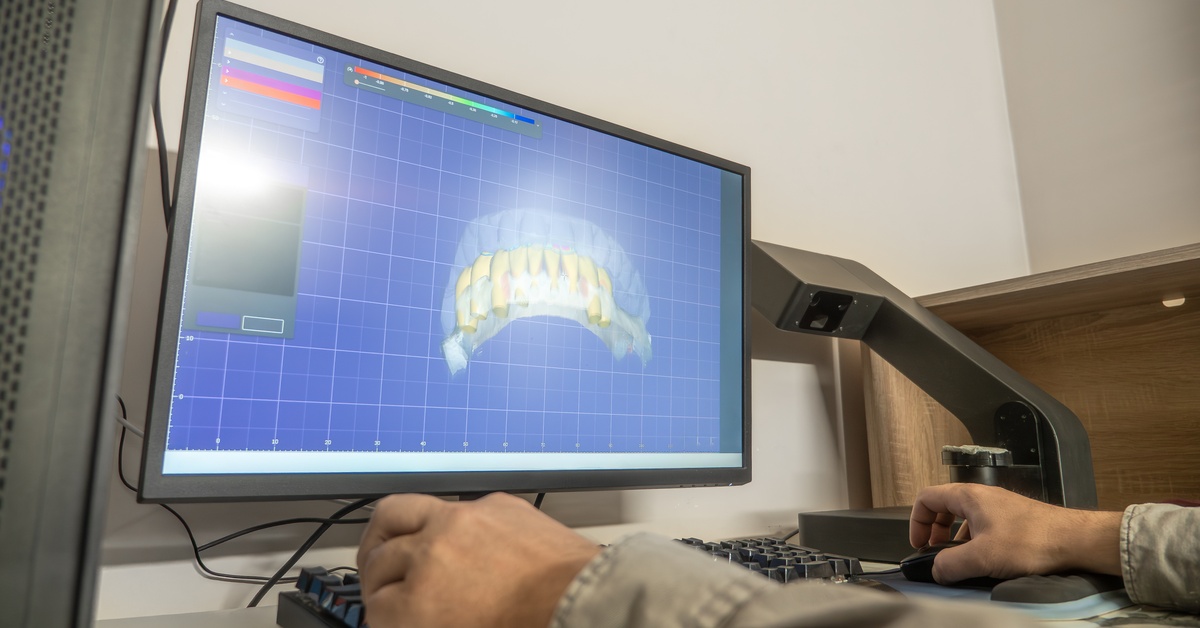
At Asheville Holistic Dentist, Dr. Pang utilizes CEREC by Sirona Dental Systems to provide same-day restorations with remarkable precision. Advanced digital scans produce a detailed 3D model to create exact measurements.
The digital file guides an in-office milling unit, which crafts your crown, bridge, veneer, onlay, or inlay from a high-quality ceramic block right in the practice. In many cases, all it takes is one visit to complete the process. The result is biocompatible ceramics designed to blend seamlessly with your natural teeth.
Safe Amalgam Removal
If reconstruction involves replacing old metal fillings, a holistic dentist follows strict safety protocols. Removing mercury amalgam fillings releases mercury vapor, which is harmful if inhaled. Holistic practices use isolation techniques, high-volume suction, and air filtration systems to protect the patient and the dental team from exposure. The careful process prevents heavy metal toxicity and supports the body’s detoxification pathways during the restoration process.
Focus on the Airway and Breathing
The holistic approach recognizes the critical link between the mouth and the airway. Issues like sleep apnea or chronic mouth breathing can contribute to dental problems like grinding and gum disease.
During the reconstruction planning phase, the dentist evaluates the airway. Restorations will fix the affected teeth while supporting an open airway. This might involve expanding the arch or adjusting the bite to position the jaw in a way that facilitates better airflow.
Why Is a Holistic Approach Favorable for Many Patients?
Choosing a holistic path for reconstruction offers several advantages that go beyond a beautiful smile. By using biocompatible materials, patients avoid the potential risks associated with metals and toxic substances. It’s particularly important for individuals with sensitivities, allergies, or autoimmune conditions. Knowing that the materials in your mouth are safe for your body provides peace of mind.
Furthermore, addressing the root causes of dental issues leads to more sustainable results. If a dentist can support underlying health issues alongside the dental work, the new smile is less likely to fail in the future.
The holistic approach empowers patients to take charge of their health. It encourages a partnership between the patient and the dentist, fostering a deeper understanding of how lifestyle choices impact oral and systemic wellness.
How Asheville Holistic Dentist Can Help
Your smile is a reflection of your overall health, and it deserves care that honors that connection. Full-mouth reconstruction is a step toward reclaiming your quality of life, and choosing a holistic approach will support your well-being.
If you are ready to explore how this comprehensive method transforms your smile and your health, reach out to Asheville Holistic Dentist. Our compassionate team, led by Dr. Pang, is here to guide you through every step of the process, ensuring you feel safe, heard, and cared for. Schedule your consultation today and discover the difference a whole-body approach makes.