
When a cavity damages a tooth, most people assume that a standard amalgam filling will solve the problem. However, patients who value whole-body health want to understand how restorative materials affect more than just the tooth. Choosing between dental inlays and fillings centers on safety, longevity, and whether the materials are biocompatible.
Holistic dentistry focuses on restoring teeth with materials that support overall wellness. By understanding the differences between traditional fillings and biocompatible inlays, patients can make informed decisions that protect their oral and systemic health.
What Biocompatible Dentistry Means
Biocompatible dentistry evaluates how dental materials interact with the body’s tissues, immune system, and overall function. A material qualifies as biocompatible when it works in harmony with the body without being irritating or potentially toxic.
Traditional dentistry has relied on materials that maximize efficiency. Holistic dentistry considers whether materials release harmful substances or wear down over time.
Dr. Peter K. Pang at Asheville Holistic Dentist prioritizes minimally invasive treatments and materials that align with whole-body health. That philosophy directly impacts a patient’s choice preference for fillings or inlays.
Traditional Fillings
Dentists use fillings to restore teeth damaged by decay. The most common types include composite resin fillings and amalgam fillings.
Composite resin fillings contain a mixture of plastic and fine glass particles. Dentists match them to the color of natural teeth. The fillings bond directly to the tooth structure and require minimal removal of healthy enamel.
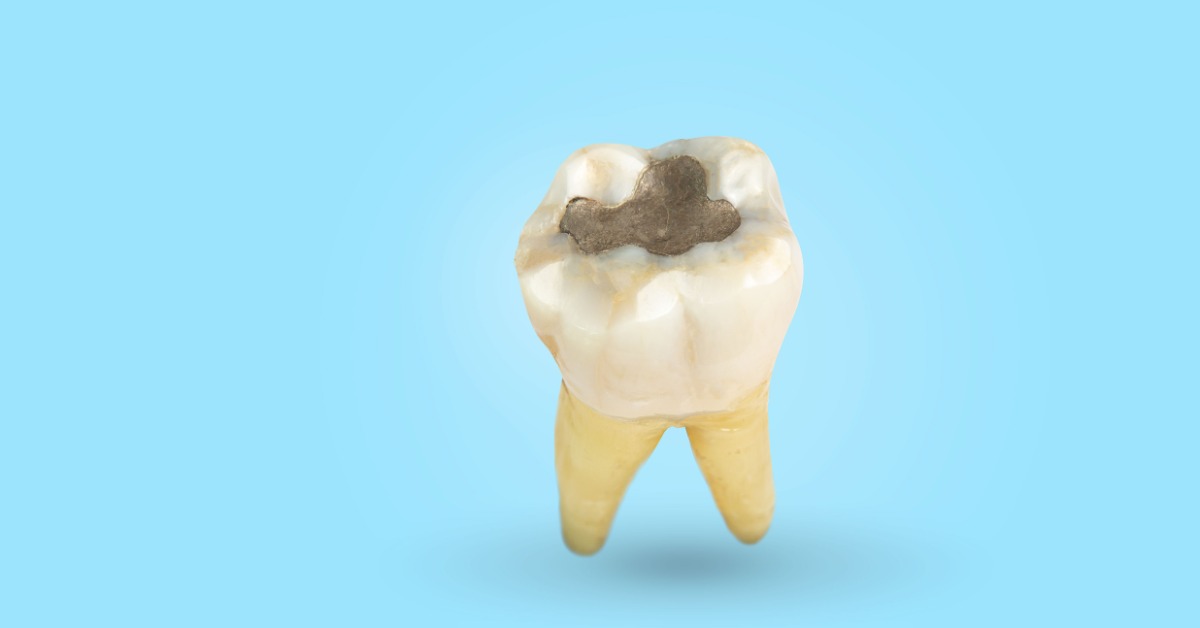
Amalgam fillings contain a mixture of metals, including silver, tin, copper, and mercury. Mercury makes up about 50 percent of the material. Dentists have used amalgam fillings for decades because of their strength.
However, mercury amalgams raise health concerns. Mercury is a known neurotoxin that is poisonous to nerve tissues. Even though regulatory agencies consider amalgam acceptable for general use, small amounts of mercury vapor are released during chewing, brushing, and teeth grinding.
Holistic dentistry doesn’t support the use of mercury amalgam because of its potential impact on systemic health. Patients who prioritize biocompatible care often choose to avoid materials that contain mercury. While exposure levels vary, the safer option is to avoid metal fillings altogether.
Dental Inlays
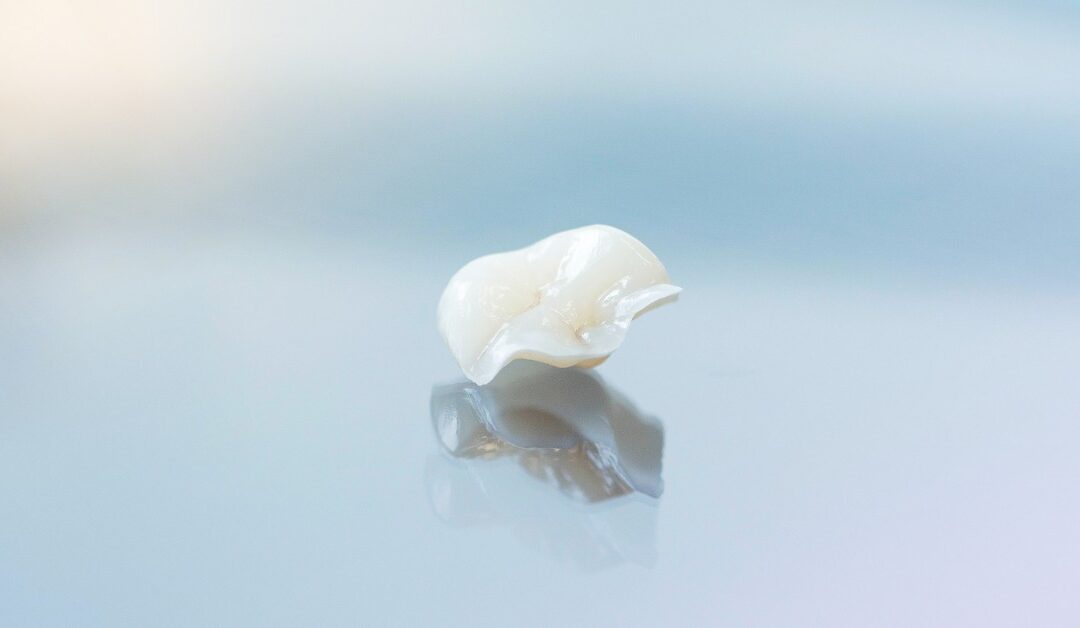
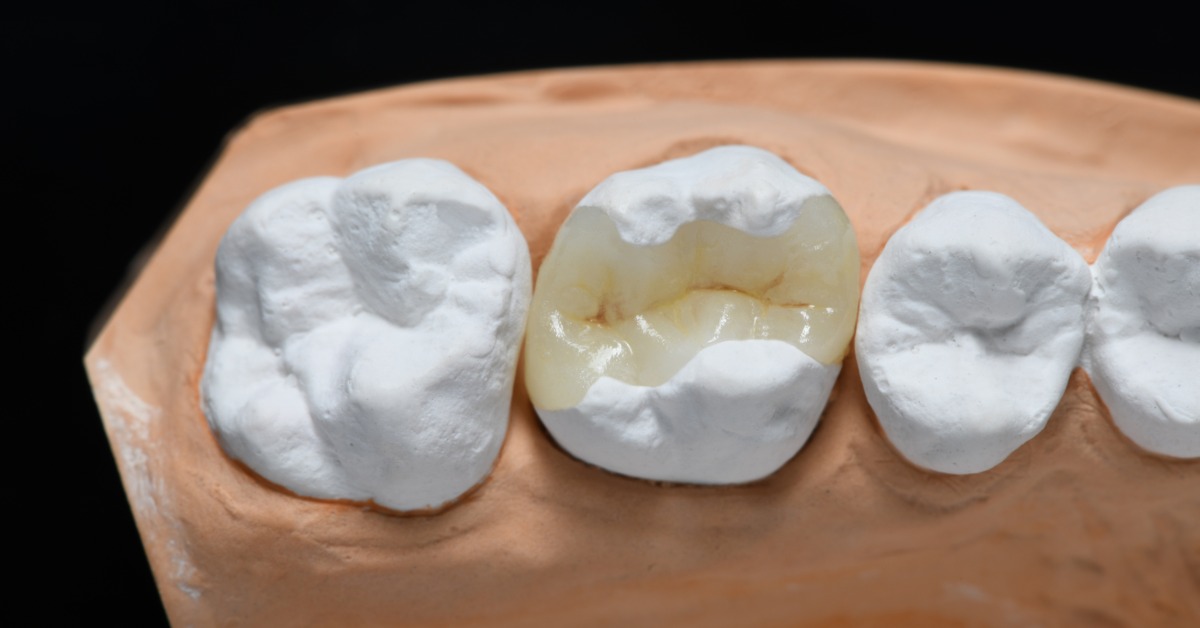
Dental inlays restore moderate decay or damage that falls between a simple filling and a full crown. A dentist places an inlay within the grooves of the tooth without covering the cusps. Unlike standard fillings, an in-office computer system fabricates inlays outside the mouth.
At Asheville Holistic Dentist, advanced CEREC technology designs and mills ceramic restorations in a single visit. This precision manufacturing allows for a stronger, more accurate fit. The dentist bonds the inlay securely to the tooth, reinforcing the remaining structure rather than weakening it.
Why Biocompatible Ceramics Matter
Biocompatible ceramic materials have transformed restorative dentistry. Modern dental ceramics mimic the strength and translucency of natural enamel. More importantly, they don’t contain mercury or metal alloys that raise toxicity concerns.
Ceramic inlays offer several health and structural advantages:
- They bond tightly to the tooth.
- They preserve more natural tooth structure.
- They maintain their color over time.
- They support long-term durability.
Comparing Longevity and Tooth Protection
The choice between an inlay and a filling depends on the extent of decay and the condition of the remaining tooth. Small cavities respond well to composite fillings. Large areas of damage require stronger reinforcement.
Composite fillings shrink slightly as they cure. Over time, that shrinkage may create microscopic gaps between the filling and the tooth. Bacteria enter those spaces and increase the risk of recurrent decay.
Ceramic inlays provide a custom fit that reduces microleakage. Because they bond securely and maintain structural integrity, they protect the tooth from fractures. This stability plays a key role in preventing future complications. Patients who want long-term solutions rather than temporary repairs often prefer ceramic inlays for moderate damage.
A Holistic Approach to Restoring Your Smile
Restoring a tooth involves more than sealing a cavity, and holistic dentistry considers how each procedure affects the entire body. The materials, bonding agents, and techniques influence inflammation, immune response, and structural balance.
Dr. Pang uses digital 3D X-rays and advanced diagnostic tools to evaluate tooth health precisely. Digital imaging reduces radiation exposure compared to traditional film systems and improves treatment accuracy.
Laser dentistry further supports minimally invasive care. Lasers remove decay with impeccable precision and preserve healthy tissue. When paired with ceramic inlays, this approach to full mouth dental reconstruction strengthens each tooth while upholding the body’s natural balance.
Who Benefits Most From Dental Inlays?
Not every cavity requires an inlay. Dentists recommend inlays when damage extends beyond what a filling can reliably support but does not require a full crown. Patients who benefit most include:
- Individuals replacing old amalgam fillings
- Patients with cracked or weakened teeth
- People seeking biocompatible, metal-free tooth restorations
- Patients concerned about whole-body health
Replacing aging metal fillings with ceramic inlays improves both structural integrity and biocompatibility. The process removes potential sources of mercury exposure and restores the tooth with advanced, high-quality materials.
Should You Choose Dental Inlays or Fillings?
The answer to biocompatibility between dental inlays and fillings depends on the material used and the condition of the tooth. Composite fillings offer a metal-free option for small cavities. Mercury amalgam doesn’t align with holistic principles due to toxicity concerns and structural limitations.
However, ceramic inlays provide superior strength, durability, and biocompatibility for moderate damage. Ceramic inlays support whole-body health while reinforcing the tooth more effectively than large composite fillings. Patients seeking restorative care that prioritizes longevity and wellness will find that ceramic materials support their health preferences.
Improve Your Smile With Asheville Holistic Dentist
Every patient presents unique dental needs. A thorough evaluation determines whether a filling or inlay offers the best balance of preservation and protection.
Biocompatible materials reduce exposure to potentially harmful substances while maintaining structural strength. Advanced technology, like CEREC, allows precise, same-day ceramic restorations that minimize appointments and discomfort.
Patients who value personalized care benefit from a practice that prioritizes quality over volume. Thoughtful material selection today reduces the risk of more complex procedures tomorrow.
If you’re considering replacing old fillings or repairing a damaged tooth, schedule a consultation with Dr. Peter K. Pang at Asheville Holistic Dentist. You’ll receive personalized care designed to support both your smile and whole-body health.