
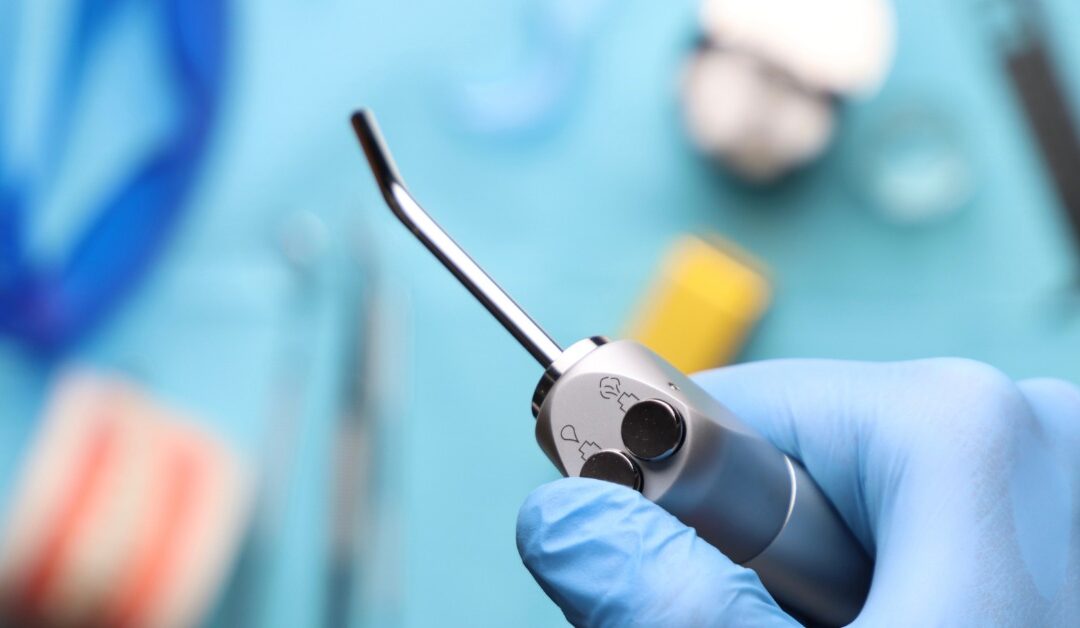
A dental cleaning should leave the mouth feeling fresh. There’s an extremely effective way to remove ample bacteria from the gumline and hard-to-reach areas. Ozonated water in dental cleanings might be the answer.
Many holistic dentists use ozonated water to rinse, disinfect, and support tissue health during care. This advanced method has several benefits. For patients interested in In a professional cleaning, ozonated water is a great tool to reduce harmful microbes.
Ozonated Water
Ozone is a form of oxygen with strong oxidizing action. A dental ozone system starts with medical-grade oxygen rather than room air. The machine converts part of that oxygen into ozone, then blends the ozone into water right before use.
Ozone works through oxidation to decrease the bacteria in the mouth. A dentist or hygienist can apply ozonated water in a controlled manner without changing the basic purpose of the visit.
The Science Behind Ozone
The water reacts with the outer membranes of harmful microorganisms and disrupts their structure. It becomes difficult for bacteria to remain intact on treated surfaces.
Once applied, it begins to work right away in pockets, grooves, and tight spaces where bacteria tend to collect. It doesn’t simply wash debris away; it actively interacts with microbes at a cellular level. That scientific mechanism helps explain why ozonated water has become such a useful tool during dental cleanings.
Why It Fits Dental Cleanings
A dental cleaning removes plaque, tartar, and debris from tooth surfaces and near the gums. Ozonated water supports that process by rinsing areas where bacteria gather and linger. It doesn’t replace skilled hand instruments or ultrasonic tools, but it strengthens the cleaning environment.
Additionally, the process fits easily into a routine cleaning visit. Patients can reap the benefits of the treatment without requiring a complicated, lengthy appointment.
The Importance of Fresh Preparation
Fresh preparation plays a direct role in how ozonated water performs. Ozone is highly active, yet it doesn’t stay in water for long periods. Its strength drops as it breaks down, so timing becomes an important part of the process.
Because of that short lifespan, dental teams prepare ozonated water right before use instead of making it in advance. It supports the intended antimicrobial effect during the cleaning.
The Dental Equipment Behind the Treatment
Dental teams rely on dedicated ozone delivery units built for clinical settings. These systems include an oxygen source, an ozone generator, and a delivery component that moves the treated water into the operatory at the right stage of care. The equipment gives the team precise control over production and use.
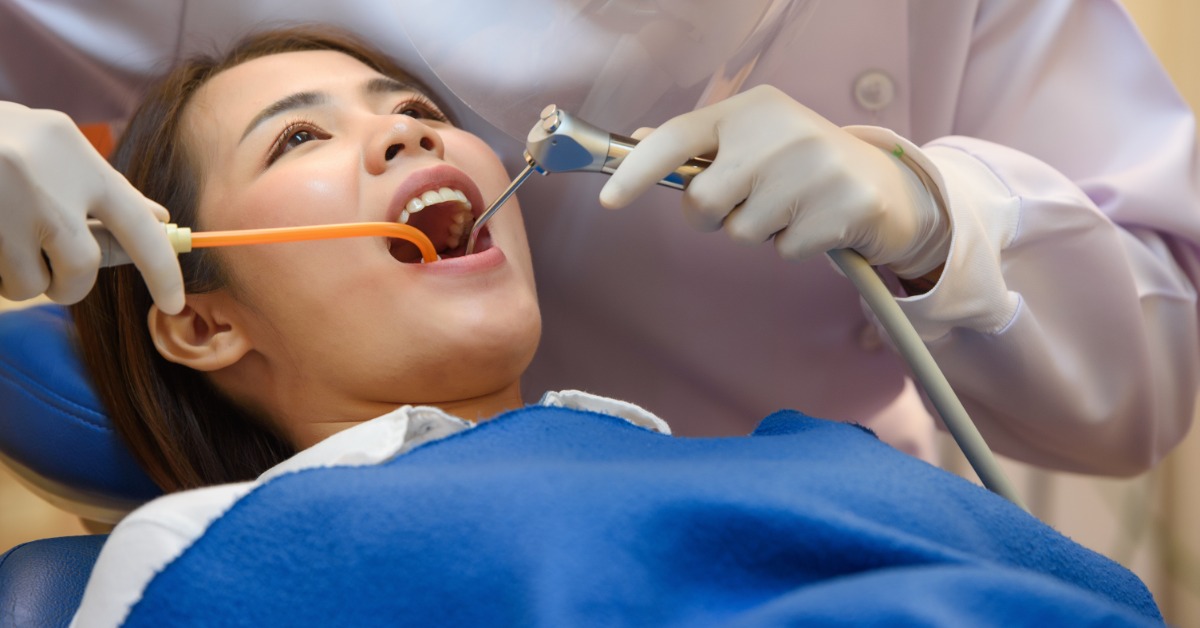
Instead of interrupting the appointment, the equipment integrates into the flow of care and gives the clinician access to ozonated water at the chairside. The process stays efficient because the system prepares the solution for immediate use rather than relying on a prefilled supply. Not to mention, the fresh supply has an effective result.
The Benefits for Patients
Dental teams don’t choose tools based on novelty alone. They choose methods that strengthen results and help them deliver careful treatment. The goal of this method is to benefit patients’ overall well-being and oral hygiene.
Supports Whole-Body Care
Some patients look for dental care that reflects broader wellness goals instead of focusing only on surface-level results. Ozonated water can fit that interest because it is used in a controlled clinical setting during treatment and may promote the body’s natural antioxidants. For patients drawn to minimally invasive care, that approach can make this option especially appealing.
Prevent Plaque Buildup
Plaque starts forming again soon after a cleaning, so preventive care works best as an ongoing effort rather than a one-time fix. Regular cleanings remove buildup from the tooth surface and along the gumline before it has time to harden into tartar. Ozonated water supports that preventive goal by helping the dental team finish the visit with a cleaner oral environment. Patients who want to stay ahead of buildup may appreciate a method that strengthens routine maintenance in a clear, practical way.
Provide Minimally Invasive Care
Many patients prefer dental care that addresses concerns in a precise way without making treatment unnecessarily involved. A minimally invasive approach focuses on protecting healthy tissue while supporting the mouth through targeted care. Ozonated water fits naturally into that philosophy because it works within a standard cleaning rather than adding a separate, intensive procedure. For patients drawn to intentional treatment choices, that approach can make preventive visits feel especially worthwhile.
Calm Inflamed Gums
Gum tissue reacts quickly to bacterial irritation, so a cleaning works best when the mouth receives both physical removal of buildup and a thorough antimicrobial rinse. Patients with gum irritation or a condition might benefit from this feature because the tissue around the teeth needs a calm setting to recover after debris removal.
During a cleaning, the team works to remove the biofilm and hardened deposits that trigger redness, swelling, and tenderness. A cleaning using ozonated water reduces the microbes tied to ongoing gum inflammation.
Soothe Sensitive Mouths
Some patients hesitate to schedule cleanings because their mouths react easily to treatment. They may notice tender gums, irritated spots, or a lingering sense of discomfort after care. Ozonated water appeals to many of these patients because it gently supports cleanliness.
That doesn’t mean every patient will respond in the same manner, yet the approach offers a strong option for people who want a clean feeling without an aggressive edge. A dental team can use it as part of a thoughtful visit tailored to the mouth’s condition. In that setting, ozonated water supports comfort while still serving a clear clinical purpose.
Schedule an Appointment With a Holistic Dentist
The appeal of ozonated water in dental cleanings comes back to the same point: The cleaning does its job, and ozonated water strengthens the result.
Ozonated water helps achieve that goal by reducing harmful microbes during treatment and supporting cleaner conditions around the teeth and gums. Anyone interested in a teeth cleaning in Asheville, NC, may want to fit this option into their oral hygiene routine.
Asheville Holistic Dentist offers patient-centered care that uses advanced methods with purpose. Whether you need a checkup or want to address an oral health concern, schedule a visit with our team. We will walk you through every step of the visit, so you feel confident in your journey to holistic wellness.