
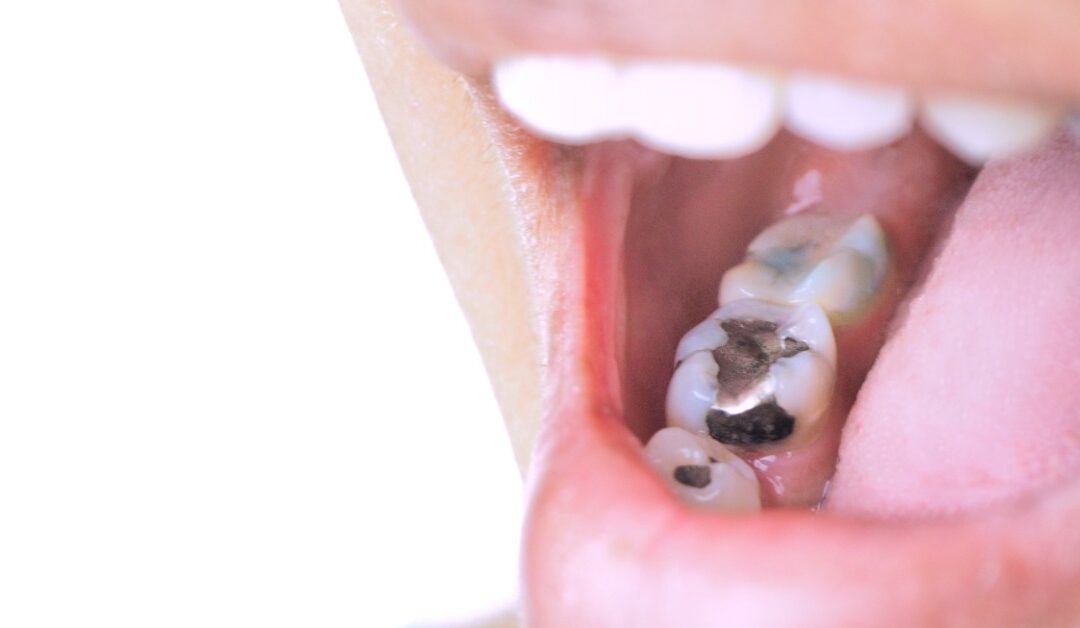
Cavities leave small openings in enamel. Without treatment, the decay will worsen and create a large area of damage. Since decay removes healthy tooth structure, a dentist needs to clean the area and restore the tooth so it can handle daily chewing.
Mercury fillings are a common solution because the material repairs the damaged areas. However, many patients look at old silver fillings differently. They start to wonder if the material fits their health goals.
Mercury can be a concerning substance in dental fillings, but why? Patients who value whole-body care need a clear explanation before making a treatment decision.
What Silver Fillings Contain
Dental amalgam has a long history in restorative care. Dentists used it because the material could withstand daily pressure. Amalgam contains a mix of metals, with mercury making up a large part of its weight. Mercury binds the metal particles into a firm substance after filling a cavity.
The concern doesn’t come from the silver color alone. Mercury can release tiny amounts of vapor from the surface of the filling during chewing, grinding, or brushing. Exposure levels vary from person to person, so patients with old fillings may want to consider new alternatives.
Why Patients Ask Questions
A filling sits inside the living tooth structure. Over many years, chewing and temperature shifts alter how the restoration fits. Small gaps may form along the edges, or a tooth may develop cracks around the old filling.
Patients may notice issues like sensitivity, a rough edge, or dark stains near the filling. Some people don’t notice any symptoms at all.
Mercury Exposure Concerns
Some patients want to reduce avoidable exposure because they take a cautious approach to wellness. Others have failing fillings that need replacing due to tooth damage. In both cases, the goal is to restore tooth functionality and support overall wellness. A dental exam lets the dentist evaluate the filling margins and surrounding enamel. Then, they can create a plan to repair the tooth.
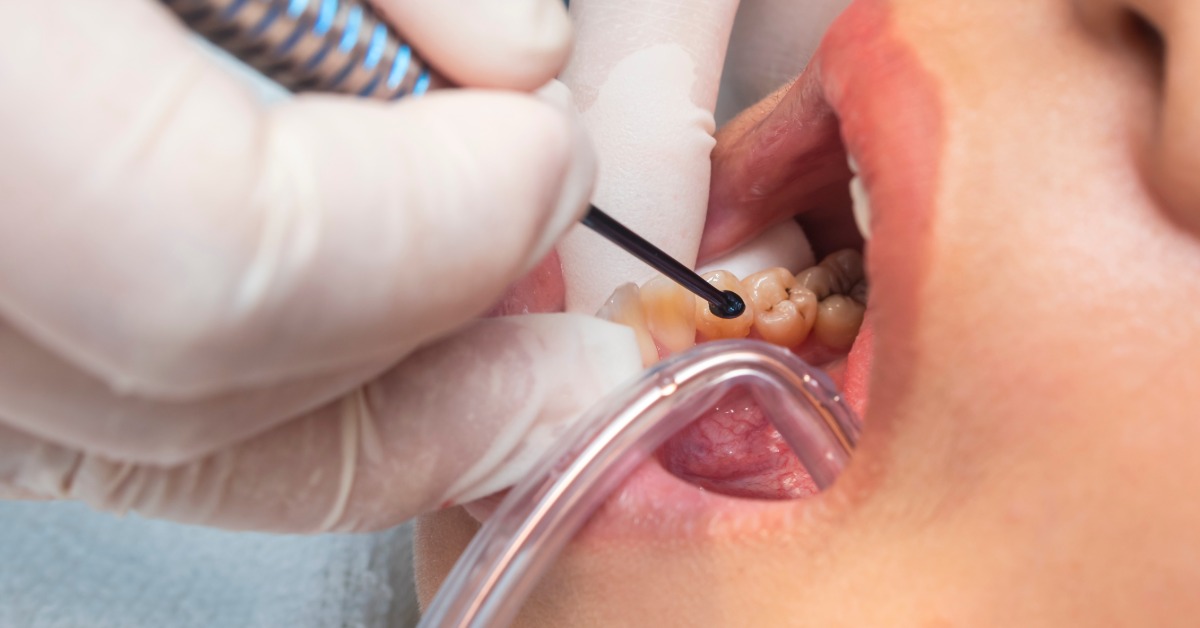
Old Fillings Affect Teeth
Large amalgam fillings may stress the remaining tooth. Metal expands and contracts with temperature fluctuations. A person might drink an ice-cold drink and immediately take a bite of a steaming soup. Years of habits like this could cause the filling to crack.
A dentist must plan the replacement around the tooth left behind. Although a small space needs a conservative restoration, a broad or deep space requires reinforcing to support chewing forces. The size of the old filling shapes the next step because the new material will seal the tooth and protect the remaining walls.
Safe Removal Requires a Skilled Approach
Patients who decide to say goodbye to their old mercury fillings must know that the removal process requires exceptional skills. Drilling into the filling may release mercury vapor and particles. Therefore, the ADA recommends the use of specialized amalgam separators to protect the environment.
To safeguard the patient’s health, Asheville Holistic Dentist follows a SMART-certified approach that adheres to safe amalgam removal standards. The team works to isolate the tooth, manage particles, and reduce vapor exposure while maintaining a controlled clinical setting. Specialized suction, protective barriers, water irrigation, and filtration support the process. It’s a great way to prevent metal exposure and protect the patient’s well-being.
Metal-Free Restoration Choices
After removal, Asheville Holistic Dentist chooses a restoration based on the tooth’s condition. Small areas may work well with BPA-free white resin. This tooth-colored material fits conservative repairs because it bonds directly to the prepared area and blends with natural enamel.
Large spaces call for a different plan. Ceramic porcelain restorations—including inlays, onlays, and crowns—support teeth after a metal filling comes out. These restoration materials rebuild the tooth’s missing portion without introducing any metals.
Why the Size of the Damage Changes the Plan
A small filling replacement doesn’t demand the same support as a large molar restoration. Back teeth handle heavy chewing forces every day. If an old filling leaves thin tooth walls behind, resin alone may not provide the support the tooth needs.
Porcelain inlays, onlays, and crowns serve distinct roles. Dr. Peter K. Pang selects the option that matches the amount of tooth structure remaining.
- An inlay fits within the chewing surface.
- An onlay covers one or more cusps.
- A crown surrounds the visible portion of a tooth that needs additional support.
Biocompatibility Guides Material Choice
Biocompatibility means a dental material suits the patient’s body as closely as possible. Patients who choose holistic care may ask whether a material contains BPA, metal, or other components they prefer to avoid. Asheville Holistic Dentist discusses these concerns before treatment, so patients can make an educated decision about their care.
Some patients benefit from biocompatibility testing before selecting restorative materials. Results take time, so this step fits patients who want added guidance before care begins.

How Patients Move Forward With Treatment
Patients don’t need to decide whether an old silver filling should come out right away. The first step is a thorough evaluation. Dr. Pang checks the filling and tooth structure. If patients have any additional symptoms or health concerns, Dr. Pang will take those into account to create a personalized treatment plan.
If replacement makes sense, the removal process will begin, and the restoration using a biocompatible material will follow. Patients will feel confident in the end knowing that they have a filling that reinforces their wellness and a smile that supports everyday life.
Asheville Holistic Dentist: A Health-Focused Dental Plan
Mercury in dental fillings is a concern for many patients because it raises concerns about metal exposure and tooth strength. If amalgam fillings don’t suit your personal wellness goals, a visit to a skilled dental practice, like Asheville Holistic Dentist, is the right course of action.
Dr. Peter Pang understands how to safely conduct a SMART-certified mercury filling removal. Then, he’ll discuss the new filling options, such as resin and porcelain materials, to restore the tooth’s function. Call the practice today to schedule an appointment and start feeling better about your overall health.