
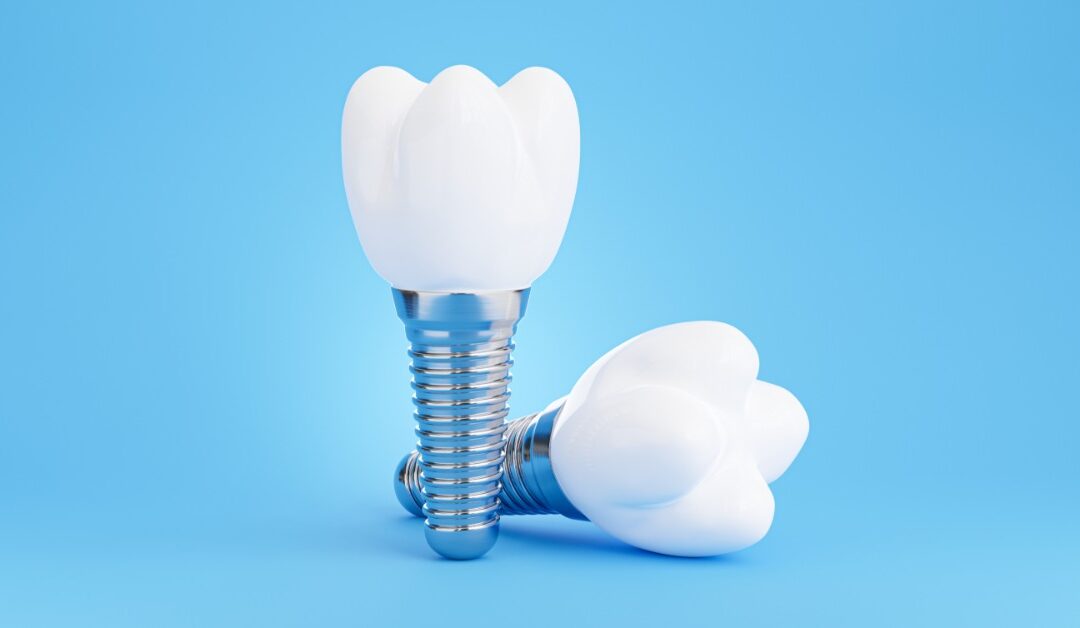
Patients might feel confused about their options because the term “dental implant” doesn’t describe one single treatment. A person might need one implant and one crown, while another might need several implants. Understanding the different types of dental implants and their versatility will help patients find the one that fits their health needs.
Single-Tooth Dental Implants
A single-tooth implant replaces one missing tooth with one implant post and one crown. This option works well when the teeth beside the space are healthy.
The implant stands on its own, so the dentist usually leaves neighboring teeth untouched. A crown attached to an implant restores chewing contact and fills a visible gap.
Implant Sizing
The dentist studies the gap width, jawbone height, and ridge thickness. The implant must fit between nearby roots without crowding them. Front teeth usually require narrow implants, while molars need strong designs because back teeth handle substantial chewing pressure.
Digital 3D imaging lets the dentist view the jaw from several angles before placement. The crown shape guides the implant position, since the post must support the visible tooth in a natural place.
Post Placement
The dentist creates a precise channel in the jawbone and seats the implant at the planned depth. The angle matters because the crown attaches above it.
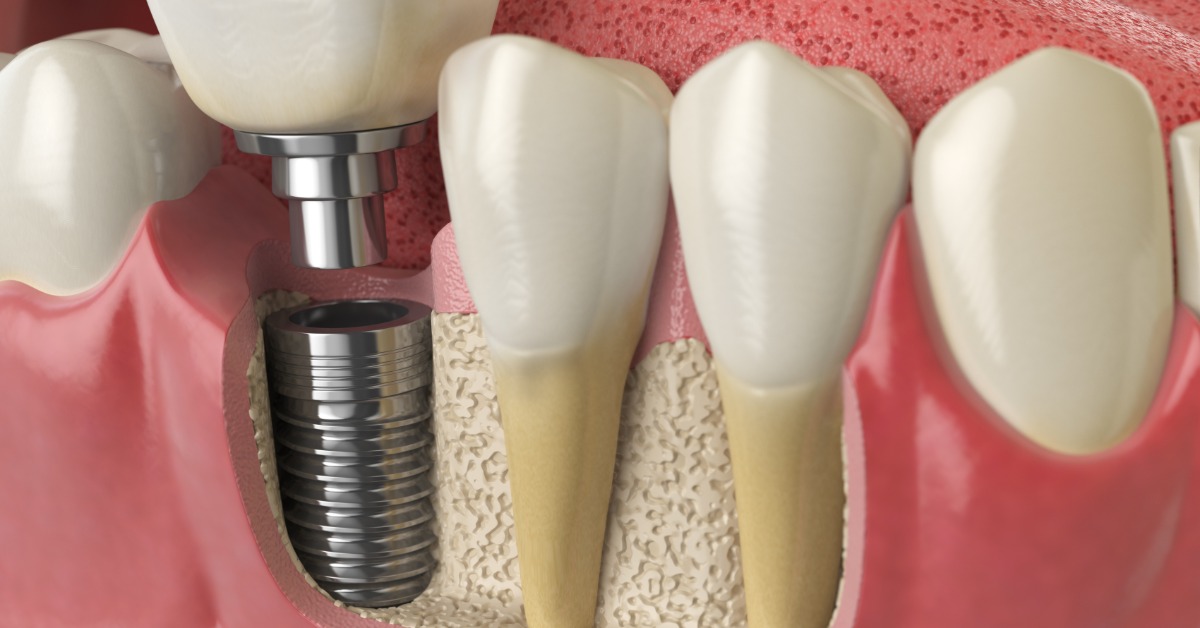
After the bone bonds with the titanium post, the dentist attaches an abutment. This connector links the implant to the crown, allowing the replacement to work as one unit during daily chewing.
Multiple-Tooth Implant Restorations
Multiple-tooth implant restorations replace several missing teeth. Depending on the size of the space, the dentist might recommend separate implant crowns or an implant-supported bridge. Several implants may be needed when the restoration must handle chewing pressure across a wide area.
Support Planning
The dentist studies the full bite rather than only the empty spaces. An uneven bite stresses the posts or crowns over time. That’s why spacing shapes the plan.
Back teeth absorb strong pressure, so implant positions must spread the force evenly. Implants placed close together can limit crown shape and gum health. Implants placed far apart leave the bridge without adequate support.
Bite Function
Placement follows the same basic process as one implant, though the dentist places more posts when the treatment plan requires them. After the implants integrate with bone, crowns or a bridge complete the restoration.
Multiple implants help patients chew on both sides again. They reduce the habit of avoiding certain foods because of gaps or weak areas.
Implant-Supported Dentures
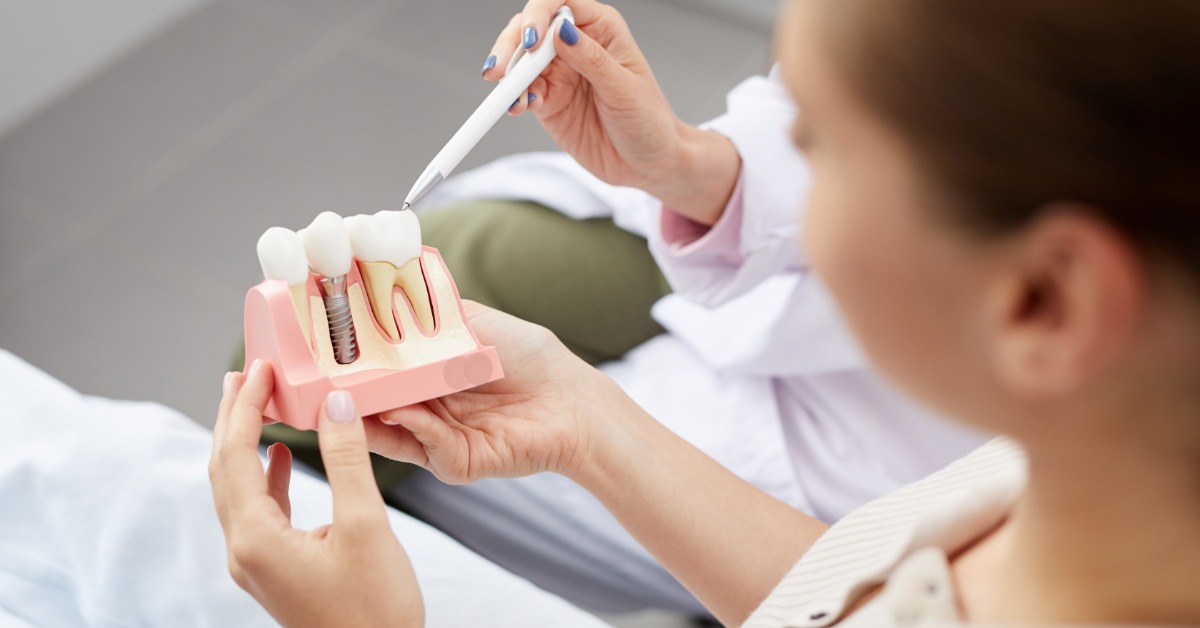
Implant-supported dentures replace a full arch of missing teeth with a denture that attaches to dental implants. Some designs snap into place for added support during speaking and chewing.
Implant Placement
The dentist reviews jaw shape, bone density, denture space, and bite force before choosing implant locations. Each implant must support the denture evenly. The denture requires enough room to hold the attachment system without feeling bulky.
The number of implants depends on anatomy and restoration design. Some dentures attach to two implants, while other designs use more support across the arch. Once the implants are in place, the dentist can recommend the attachment style that best fits the patient’s mouth, comfort preferences, and denture design.
Daily Comfort
Implant-supported dentures make speaking easier because the denture is secure. Meals often feel less stressful because patients spend less energy managing movement. Patients will need to remove the denture for daily cleaning and brushing to maintain a healthy mouth.
Fixed Hybrid Prosthetics
A fixed hybrid prosthetic replaces a full arch of teeth by connecting to implants placed in the jawbone. While it’s similar to a denture, the major difference is that the patient doesn’t remove the prosthetic at night.
Full-Arch Replacement
When remaining teeth have extensive damage, advanced periodontal disease, or poor long-term support, the dentist may discuss full-arch replacement as part of the treatment plan. Once secured, the prosthetic stays in place during eating, speaking, and daily home care. This option applies to patients who need full-arch replacement rather than support for one missing tooth or a small group of teeth.
Fixed hybrids differ from removable implant-supported dentures in shape and coverage. A removable upper denture often needs material that extends across the palate for stability, suction, or support. A fixed hybrid attaches to implants instead, so the prosthetic doesn’t need to cover the roof of the mouth.
Leaving the palate uncovered can improve comfort during daily function. The tongue has more room to move during speech, and the patient has less bulky material along the upper arch.
Routine Care
Patients brush the prosthetic and gumline each day, but they must also clean under the prosthetic, where plaque and food debris collect. Small spaces around the implants require detail-focused care because the gum tissue still surrounds each implant site. The goal is to keep the tissue around the implants healthy because implant support depends on stable bone and healthy soft tissue.
Fixed hybrid prosthetics typically require more continued care visits than removable dentures. Since the patient doesn’t remove the prosthetic at home, the dentist can remove it during professional maintenance when needed. That visit gives the dental team access to areas patients can’t fully reach during daily brushing.
How Do You Know If You’re a Good Candidate for Dental Implants?
Not everyone is a good candidate for dental implants. An experienced provider evaluates a person’s overall health. Then, they study the biology and anatomy of the exact implant site.
CBCT radiography helps the dentist measure bone height, width, and density before recommending placement. The dentist also examines the pink gum tissue because healthy soft tissue plays an important role in long-term implant stability.
Some patients have anatomy or oral health concerns that make implant placement complex. Years of gum disease can reduce bone support around the proposed implant site. Long-term grinding can affect vertical clearance or the space needed for the implant restoration to fit within the bite. Patients who meet the health and anatomical requirements will be able to use dental implants to restore long-lasting support and stable function.
Restore Your Smile at Asheville Holistic Dentist
Each type of dental implant replaces missing teeth in a distinct way. The right design depends on jawbone structure, bite, comfort goals, and preferred maintenance routine.
If you’re ready to discuss tooth replacement with a dental implant studio that values personalized care, schedule an appointment with Asheville Holistic Dentist. Our practice offers detailed implant planning with Dr. Peter Pang, so patients understand their options before moving ahead.