

SMART (Safe Mercury Amalgam Removal Technique) gives patients a structured way to address old silver fillings with attention to whole-body health. The protocol focuses on reducing contact with mercury particles and vapor during treatment. It uses protective barriers and high-volume suction throughout the appointment. Who should consider SMART removal? The answer depends on the filling’s condition and the health goals a patient brings to care.
What Does SMART Removal Mean?
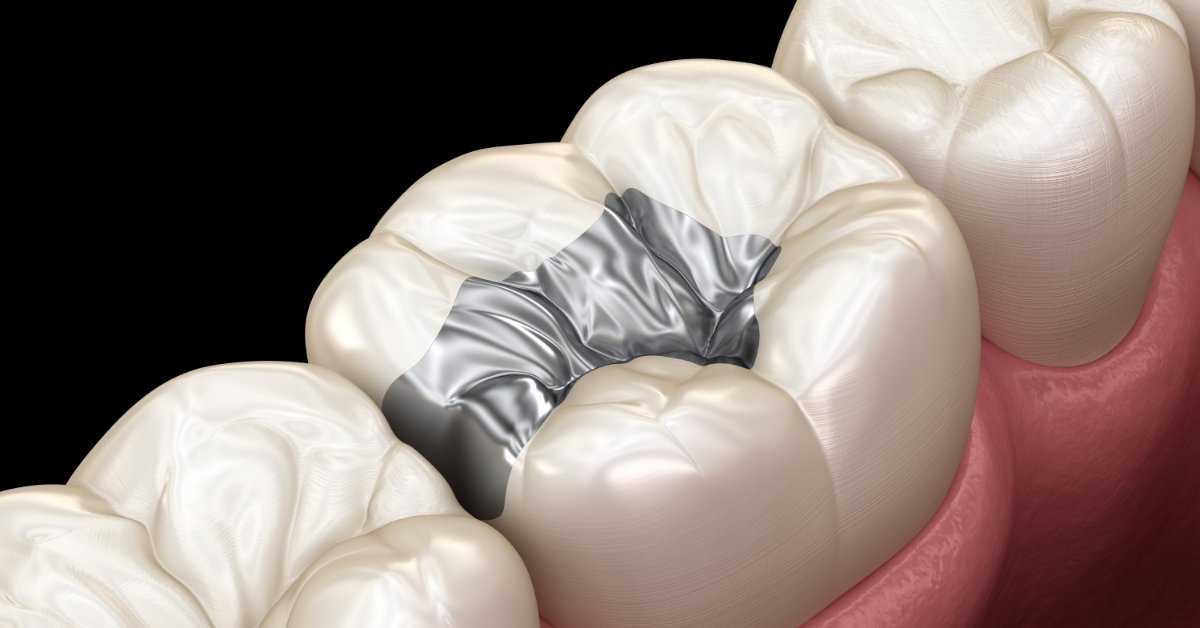
A silver filling includes a mixture of metals, like mercury, to reinforce the missing tooth structure after a cavity. Many fillings function well after years of use, but some will crack or pull away from the tooth structure. The dentist looks for cracks and failing edges while evaluating how much healthy tooth structure remains around the filling.
The Protocol SMART-Certified Dentist Must Follow
Through the International Academy of Oral Medicine and Toxicology (IAOMT), dentists can earn a SMART certification. SMART amalgam removal is all about protecting the patient’s health from potential metal vapor and particulate exposure during the process.
Certified dentists use specialized amalgam separators, high-volume suction to capture debris near the treatment site, and external air support and filtration to minimize exposure during the procedure. Additionally, the dentist removes the filling in sections to limit heat and disruption. Following this approach ensures that patients have a safe silver filling removal treatment.
Who Benefits From SMART Amalgam Removal?
Not every patient shares the same reason for exploring amalgam removal. Some people focus on symptoms around a tooth. Other people want dental care that fits their personal wellness goals.
People With Old Silver Fillings
Old silver fillings require a close look during routine exams. Time changes the relationship between the filling and the surrounding tooth. Daily chewing places steady pressure on the restoration. Temperature changes in food and drinks stress the filling’s edges.
A filling that once fit well might show gaps around the margins. Bacteria collect in those spaces and increase the risk of tooth decay. In these situations, removing the silver filling will repair the tooth’s function and health.
People With Dental Sensitivities
Sensitivity around an old silver filling needs attention because it can point to several issues. The tooth might be in pain after drinking cold drinks or chewing. These symptoms don’t automatically mean that the filling is in terrible shape; however, they give the dentist a reason to examine the area closely.
During the visit, the dentist checks the bite and tests the tooth. The dentist looks for cracks or decay near the filling. X-rays can show changes beneath the restoration that are not visible during a visual exam. Once the dentist identifies the source of the sensitivity, the treatment plan can focus on the root problem.
People Focused on Holistic Care
A preference for holistic care is another reason a patient may seek the removal of an old silver filling. Since the fillings contain metal, such as mercury and copper, there’s a chance that they might release small amounts of vapor while eating foods or grinding one’s teeth while sleeping.
The exposure levels are minimal. Nevertheless, the presence of silver fillings doesn’t align with every patient’s wellness goals. They might prefer an alternative, biocompatible material that offers dependable support. SMART-certified dentists treat the tooth, safely remove the previous filling, and respect the patient’s concerns about materials.

Signs Treatment Time Has Arrived
A patient doesn’t have to wait until a tooth cracks to ask about amalgam removal. Certain changes signal that the filling needs professional attention. These signs give patients a practical reason to schedule a dental checkup.
Cracks Around the Filling
Cracks near a silver filling raise concern because they can spread into the tooth. A small line in enamel might seem minor at first. Chewing pressure can deepen the crack and weaken the remaining structure.
Dentists take cracks seriously because they affect future treatment choices. A tooth with limited damage may only need a conservative restoration. A tooth with deep fracture lines may require ceramic support through an inlay or crown. Early evaluation preserves more treatment options.
Dark Edges Near the Enamel
A dark line near the edge of a silver filling can make patients wonder whether the tooth has changed. Sometimes the darkness comes from surface staining around the restoration. Other times, the margin is open just enough for bacteria to move beneath the filling.
A dentist will examine the area to determine the issue at hand. Leakage matters because decay can develop under the restoration before pain appears. A rough edge or visible shadow gives patients a practical reason to schedule an exam. Food trapping near the filling gives the dentist another important clue.
Pain While Chewing
Another sign that it’s time to consider SMART amalgam removal is pain during chewing. The filling might sit high in the bite, or the tooth may have a crack. Decay under the restoration can worsen the pressure and pain.
A dentist evaluates chewing pain by checking the bite and the surrounding enamel. The exam may include images to look beneath the surface. Once the source becomes clear, the dentist can decide the best course of action to fix the filling.
A Loose Filling
A loose filling no longer seals the tooth, so it requires prompt attention. Patients sometimes notice a loose filling after biting into firm food. Others feel a sharp edge with their tongue.
Even slight movement allows saliva and bacteria to enter the space beneath the restoration. The tooth is more at risk of developing decay in an area that a patient cannot clean at home.
Concern About the Filling Materials
Some patients pursue amalgam removal because they want dental materials that fit their wellness preferences. This concern calls for a factual conversation with a qualified holistic dentist.
A SMART-certified dentist will explain what the existing filling contains and how the removal process works. The discussion should include replacement materials and tooth-strength considerations.
Get the Treatment You Need at Asheville Holistic Dentist
If you’re interested in a new filling, Asheville Holistic Dentist can help. Not only is our team SMART-certified, but we also have biocompatible filling materials. BPA-free white resin is ideal for small areas, while large spaces benefit from ceramic porcelain inlays or onlays. A crown is another alternative to support a molar that requires broad coverage. Schedule an appointment with Asheville Holistic Dentist to evaluate your current amalgam filling and find the best dental treatment to safeguard your well-being.