
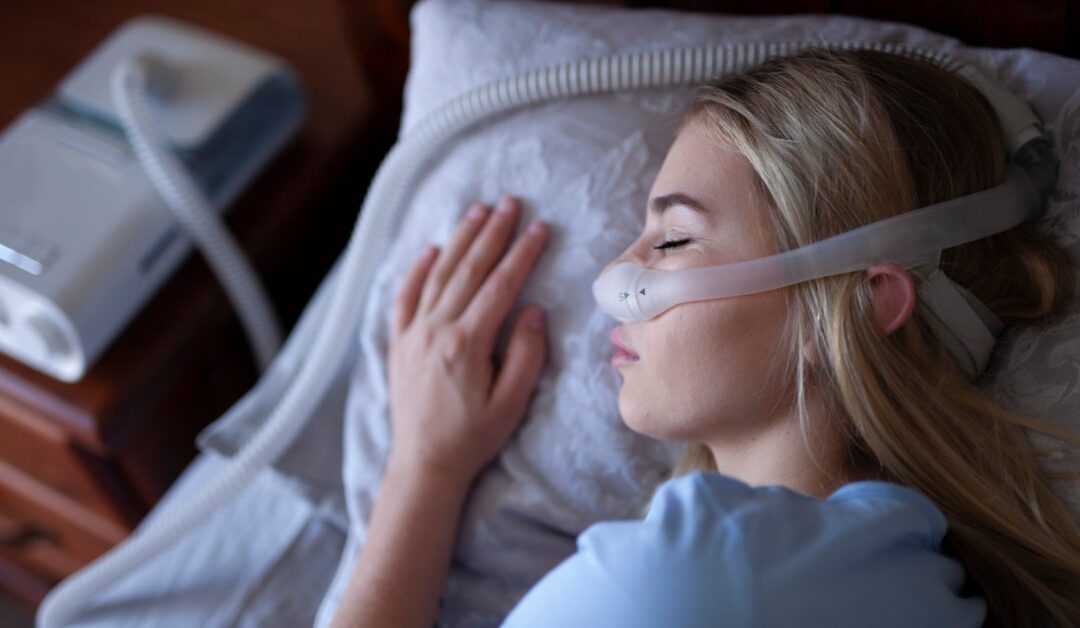
A CPAP machine delivers steady air pressure through a mask during sleep. The pressure holds the upper airway open, so breathing doesn’t pause as easily. While CPAP therapy isn’t a cure for moderate or severe sleep apnea, it supports breathing each night while the machine is in use.
Numerous people rely on this treatment method, but it’s not a fit for everyone. This leads many patients to research sleep apnea treatment without a CPAP machine. The answer depends on diagnosis and sleep apnea severity.
1. Custom Oral Appliances
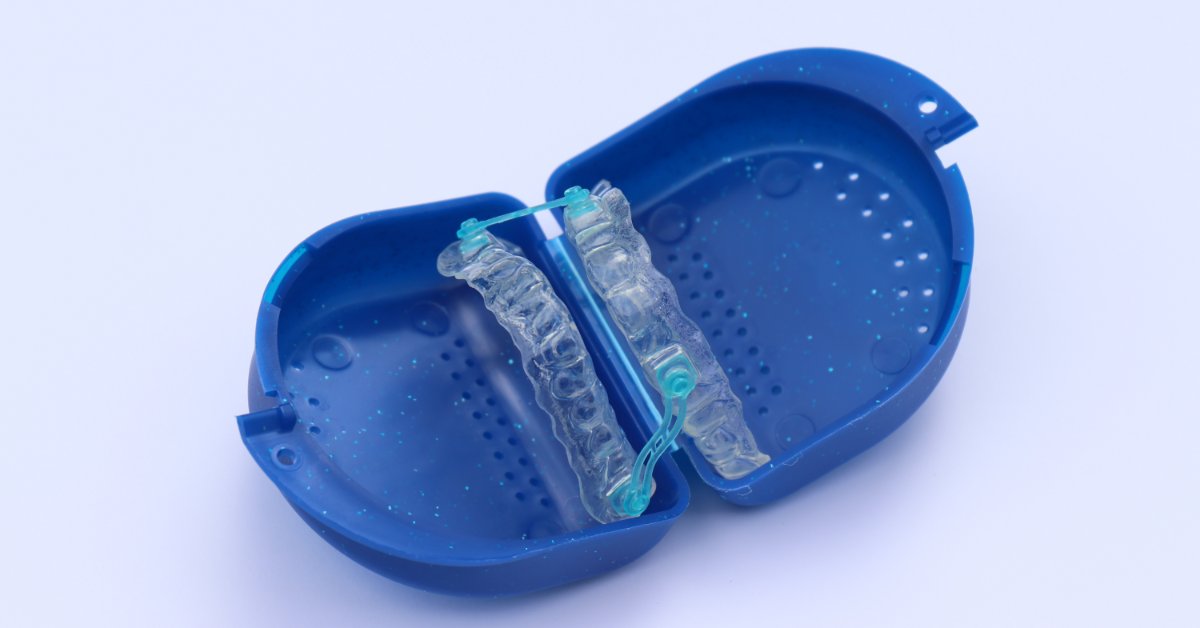
Custom oral appliances give many people a practical treatment option without a bedside machine. A trained dentist designs the appliance to fit the teeth and support the lower jaw during sleep. The goal is to reduce airway collapse by improving the position of the jaw and tongue.
The Appliance Repositions the Jaw
A custom appliance looks similar to a mouthguard. It rests over the teeth and guides the lower jaw slightly forward. The jaw position creates space behind the tongue. The added space helps reduce blockage in the upper airway during sleep.
The adjustment is precise. A dentist advances the appliance in small steps to protect the jaw’s comfort while giving the airway support.
The Best Candidates
Oral appliances help people with mild to moderate obstructive sleep apnea. They may also help some people with severe sleep apnea who cannot use a CPAP machine. A sleep physician should confirm the diagnosis before treatment begins.
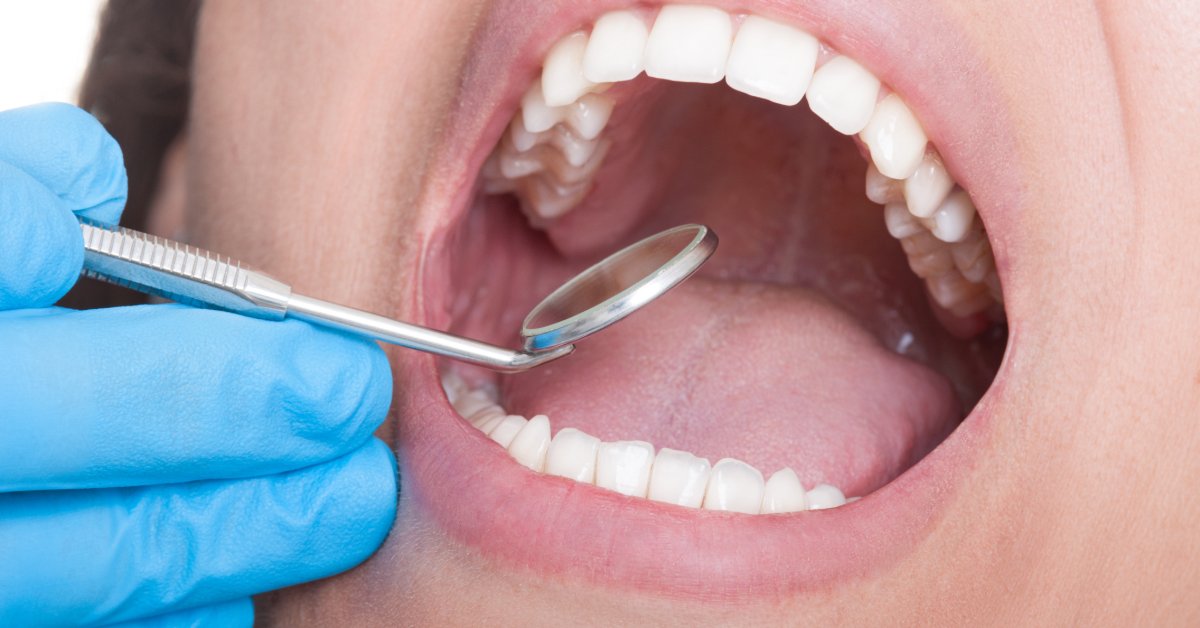
A dental exam is important, too. Teeth, gums, bite alignment, and jaw joints affect candidacy. The dentist checks these details before recommending the device to a patient.
Follow-Up Measures Results
To protect sleep quality and oral health, patients need follow-up dental care to check the appliance’s fit and the jaw’s comfort. Quick adjustments will relieve the patient of any pain and enhance the treatment’s effect.
A repeat sleep test may be necessary after the appliance reaches its final setting. Snoring may improve before apnea events fall enough. With a test, dentists have a clear view of how well the airway responds to the treatment.
2. Positional Therapy
Sleep position affects airway stability. Some people have most breathing pauses while sleeping on their backs. Positional therapy helps the body remain on the side during sleep, so the airway has a minimal chance to become tight.
Back Sleeping Can Narrow Airflow
Back sleeping lets gravity pull the tongue toward the throat. The soft palate can shift in the same direction. Those changes narrow the airway in people with positional sleep apnea. Side sleeping gives the airway a different resting position.
A sleep study shows how breathing changes in each sleep position. Based on the results, providers will decide whether positional therapy belongs in the treatment plan.
Devices Support Side Sleeping
Positional therapy uses tools that discourage back sleeping. Some wearable devices vibrate gently when the body rolls onto its back. The cue prompts a return to side sleeping without fully waking the person.
Pillows and positioning supports are helpful, too. The best device fits the person’s body and nightly routine. Not to mention, the individual needs to feel comfortable using the device because it will become a long-term treatment.
Consistent Use Drives Progress
Positional therapy requires steady use. The body could return to old sleep habits without reminders. A simple system helps side sleeping become routine.
This method may work alone for some people with positional apnea. Others use it with an oral appliance or another therapy. After reviewing the sleep study data, healthcare professionals will recommend the appropriate course of action.
3. Lifestyle Support
In some cases, changing lifestyle habits is another way to mitigate the effects of sleep apnea. Patients can decrease airway pressure while improving their overall well-being. They work best as part of a treatment plan rather than a replacement for diagnosis.
Weight Can Affect the Airway
Body weight can influence obstructive sleep apnea. Extra tissue around the neck or upper airway may narrow the breathing space during sleep. Weight loss may reduce the severity of breathing pauses for some individuals.
This change takes time. It should follow realistic goals and medical guidance. Some people still use another treatment, like an oral appliance, while working on weight changes.
Nasal Breathing Supports Rest
Nasal blockage makes breathing during rest difficult. While allergies and congestion increase mouth breathing, nasal structure could play a role, too. Nasal care, such as allergy treatment and nasal medication, doesn’t replace sleep apnea treatment. However, it can improve sleep quality because it eases the airway.
4. Airway Surgery
Anatomical blockage refers to a physical structure that narrows or obstructs the airway during sleep. This involves parts of the body like the nose, soft palate, tonsils, tongue base, or jaw position.
Surgery could be necessary when the blockage comes from anatomy that other treatments don’t fully address. A sleep physician and surgeon can evaluate where the airway collapses and recommend a procedure that targets the specific source.
Procedures Vary Based on the Patient
Some procedures reduce or reshape soft tissue in the throat. Others treat enlarged tonsils or blocked nasal passages. Jaw surgery may move the upper and lower jaws forward to expand the airway.
A surgeon chooses the procedure based on where the airway narrows during sleep. Enlarged tonsils may require tonsil removal when they block airflow. Nasal procedures may address a deviated septum or enlarged tissues inside the nose. Soft palate procedures may tighten or reposition tissue that falls toward the airway during sleep.
Jaw surgery takes a different approach because it changes the airway’s framework. Moving the upper and lower jaws forward adds space behind the tongue and soft palate. Upper airway stimulation helps many adults by activating airway muscles during sleep. A sleep physician and surgeon review sleep study results, airway anatomy, and overall health before recommending any surgical option.
Find the Best Sleep Apnea Treatment
Sleep apnea care should match the individual. A CPAP machine uses pressure to support the airway, but it’s not the only sleep apnea treatment method.
For patients interested in an oral appliance sleep apnea treatment, Asheville Holistic Dentist is ready to assist. Our team will learn everything we can about your overall health and the severity of your sleep apnea condition. From there, we’ll personalize the treatment plan to help you breathe easier through the night. Schedule a consultation with Asheville Holistic Dentist today!