
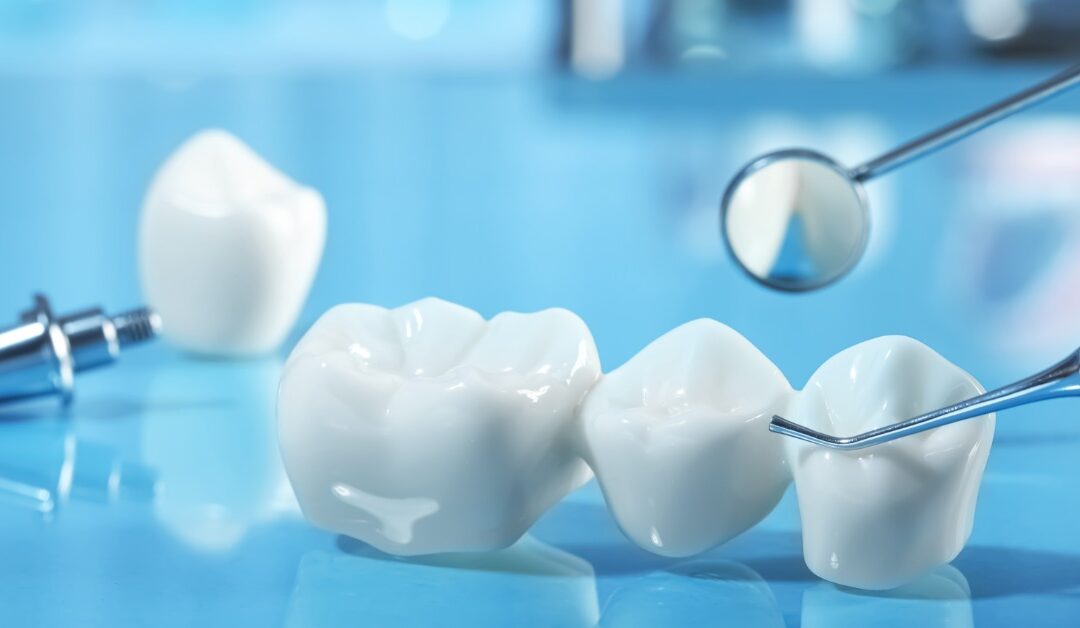
When decay or an old filling weakens the tooth’s structure, everything from chewing to talking strains the tooth. Left untreated, that pressure will cause additional damage or discomfort.
Patients who want to restore their smile with dental crowns should consider choosing biocompatible materials. This option rebuilds the tooth using materials that support whole-body wellness. Find out what biocompatible dental crowns are, how they’re designed, and more to decide if it’s the right treatment plan for you.
What Are Biocompatible Dental Crowns?
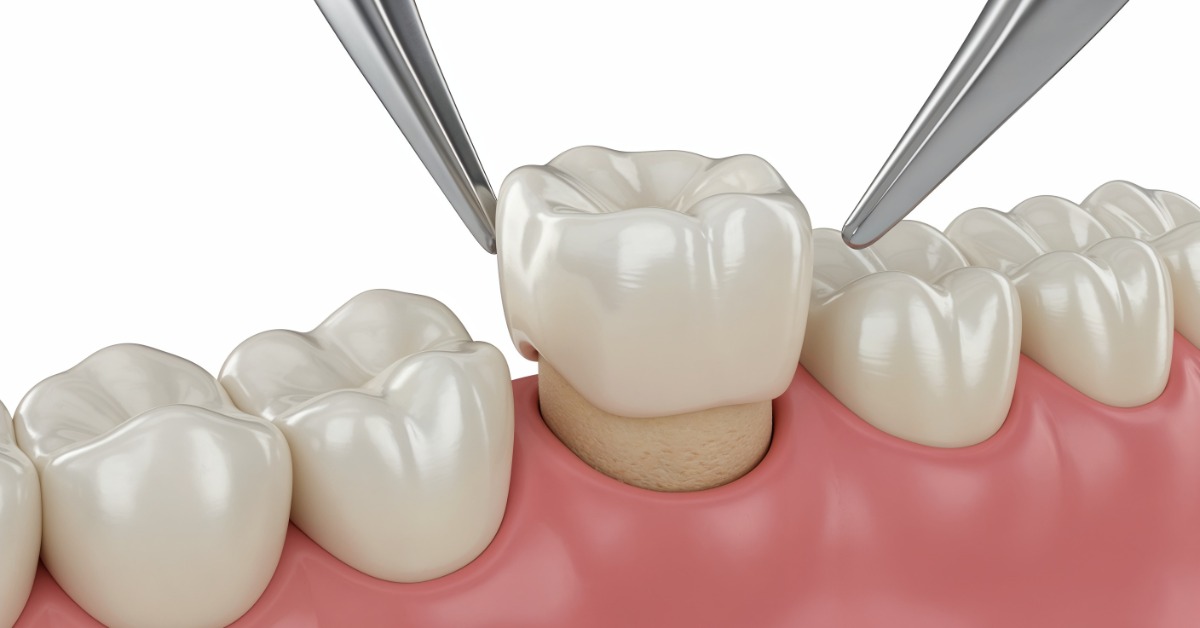
A dental crown is a custom restoration that covers the visible portion of a tooth. Dentists use crowns when natural tooth structure no longer has the strength to handle chewing alone. Whether the cause of a damaged tooth is decay or a crack, the crown restores the tooth’s function.
Biocompatibility describes how a material interacts with oral tissues and the body. For dental crown treatment, the concept guides the selection of materials placed in long-term contact with the mouth.
Who Benefits From Biocompatible Dental Crowns?
A biocompatible crown is suitable for patients who:
- Prefer a metal-free restoration.
- Have a cracked tooth.
- Have a weakened tooth.
- Need support after extensive decay.
- Want to replace an aging crown.
This crown type still requires a dental evaluation. Tooth position and bite force influence the treatment plan. Remaining enamel and gum health shape the recommendation as well.
Why Is Porcelain Considered a Biocompatible Material?
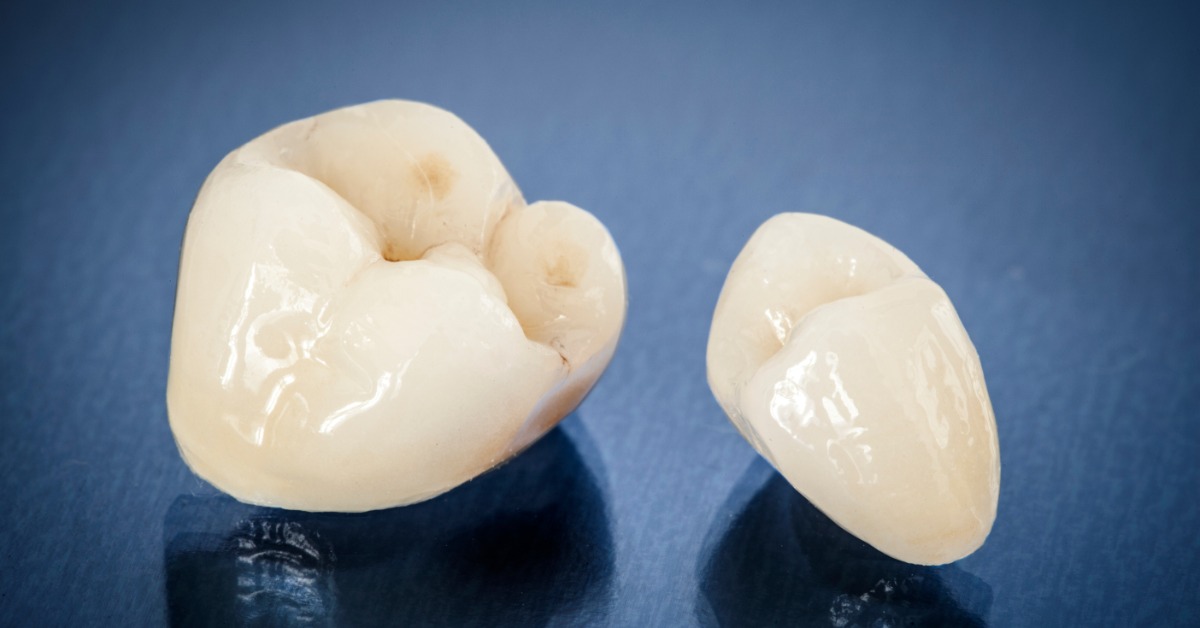
Porcelain is a dental ceramic made from inorganic mineral materials. Many dental porcelains contain silica-based glass ceramics or reinforced ceramic compounds. Once processed, the material forms a hard and stable restoration without any metal materials. This composition makes porcelain valuable in holistic restorative care.
Porcelain is considered biocompatible because it has a low level of chemical reactivity in the mouth. After bonding, the ceramic surface resists corrosion and does not release metal ions into oral tissues. That stability supports patients who want a restoration chosen with whole-body wellness in mind.
Good hygiene matters, and the material’s smooth, glazed surface limits plaque retention around the crown edges. The result is a clean, stable oral environment.
How CAD-CAM Technology Works
Computer-aided design (CAD) and computer-aided manufacturing (CAM) technology turns a digital scan into a custom restoration. The process begins after the dentist prepares the tooth for a crown. Instead of using physical molds, an optical scanner captures a detailed three-dimensional image of the tooth and surrounding structures. The scan records precise measurements of the prepared area along with how the upper and lower teeth come together during biting.
Specialized software converts the data into a digital model. Then, the dentist designs the crown with careful attention to fit and function. They define the margins to ensure the crown meets the natural tooth structure accurately and shape the contact points to maintain proper spacing between the neighboring teeth.
After finalizing the design, the digital file enters an in-office milling unit. The machine carves the crown from a solid ceramic block based on the exact specifications created in the software. The milled restoration is then evaluated and adjusted to ensure a precise fit before it’s bonded securely to the tooth.
Combining Quality and Efficiency
Advanced restorative dentistry should enhance a person’s health while respecting their time. CAD-CAM crown treatment brings those goals together by pairing in-office ceramic fabrication with a streamlined appointment experience.
A Direct Fabrication Process
A same-day CAD-CAM crown follows a direct path from diagnosis to restoration. The crown design and ceramic fabrication stay inside the dental office, reducing the number of outside steps involved in completing treatment.
The patient will come in for a scan. Then, with in-house crown creation, the dental team selects the ceramic material to construct the crown. The patient won’t have to wait weeks for a follow-up appointment or for the dental crown to be ready.
Strong Support for Tooth Function
A crown must do more than cover damaged enamel. It must reinforce the remaining tooth and handle daily bite pressure. If there’s any uneven bite pressure, it will strain the crown and the surrounding teeth. Advanced CAD-CAM treatment supports function because the restoration is a customized crown designed around the patient’s prepared tooth and bite.
No Temporary Crown Phase
Temporary crowns protect prepared teeth while an outsourced dental lab creates a permanent crown. Since they are provisional restorations, they require careful eating and cleaning between appointments. Some patients experience looseness or sensitivity before the permanent crown is placed.
Same-day porcelain crowns eliminate the waiting phase. The patient leaves with the completed ceramic crown bonded to the tooth, so they can get back to their daily routine.
Fewer Appointments
Patients don’t want to have to take time off from work for numerous dentist appointments. When this occurs, the patient has to receive anesthetic during the preparation visit and again during crown placement.
With CAD-CAM technology, dentists create and provide dental crowns in a single appointment. There’s no need to wait for a different dental lab to manufacture the crown and ship it to the practice. Every aspect—digital design, ceramic fabrication, evaluation, and placement—occurs within one coordinated visit. Patients receive efficient treatment while the dentist maintains control over material selection and clinical fit.
A Whole-Body Approach to Crown Treatment
Holistic crown treatment looks beyond the damaged tooth and considers how the restoration fits into the patient’s overall health and daily function. A broader perspective encourages thoughtful decisions about materials, design, and how the restoration interacts with surrounding teeth.
Biocompatible porcelain dental crowns are a metal-free option that integrates naturally with the mouth. Their composition supports a more neutral response from oral tissues while still providing the durability needed for everyday use. When paired with CAD-CAM technology, the process becomes more intentional and beneficial for patients.
Restore Your Smile With Biocompatible Care
Asheville Holistic Dentist brings material-conscious restorative care and efficient technology into the same appointment experience. Through CAD-CAM dentistry, the practice creates porcelain restorations in the office using carefully selected ceramic materials.
Patients who need a single crown or full-mouth dental reconstruction will receive expert support rooted in whole-body wellness. Schedule a visit with Asheville Holistic Dentist to discuss metal-free crown materials, same-day restoration options, and a treatment plan designed around your health goals.