
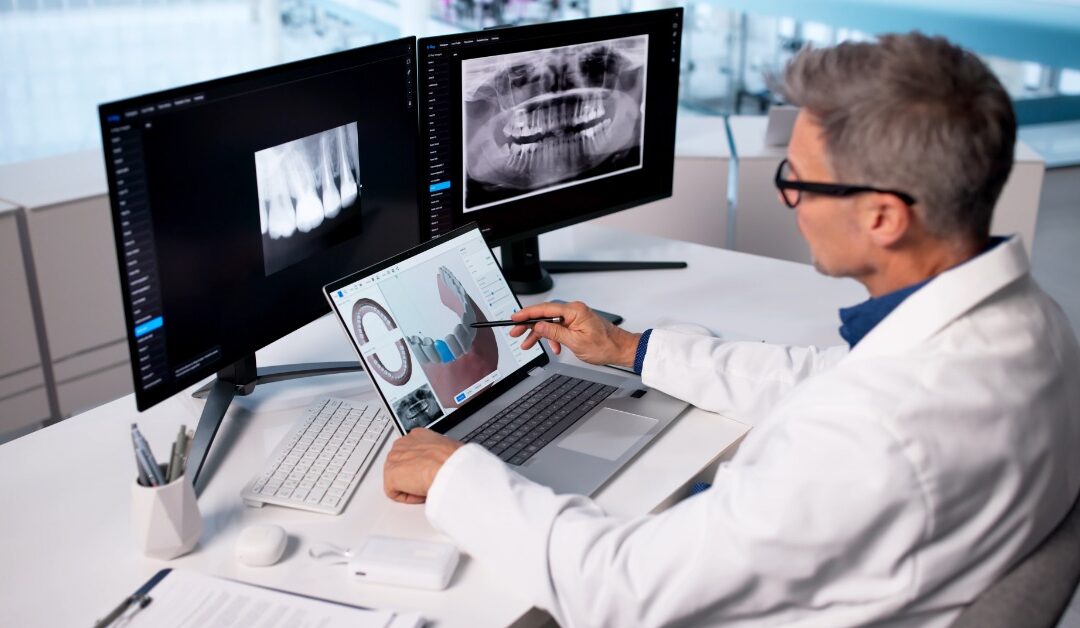
Dental appointments involve procedures that sometimes cause physical discomfort, particularly when patients have sensitive teeth or concerns about unfamiliar equipment. Fortunately, advancements in dentistry have introduced treatment methods that address many of these experiences without compromising the quality of care. From gentle laser procedures to digital scanning, modern dental technology improves patient comfort by changing how dental professionals diagnose problems and perform treatments.
1. Laser Dentistry
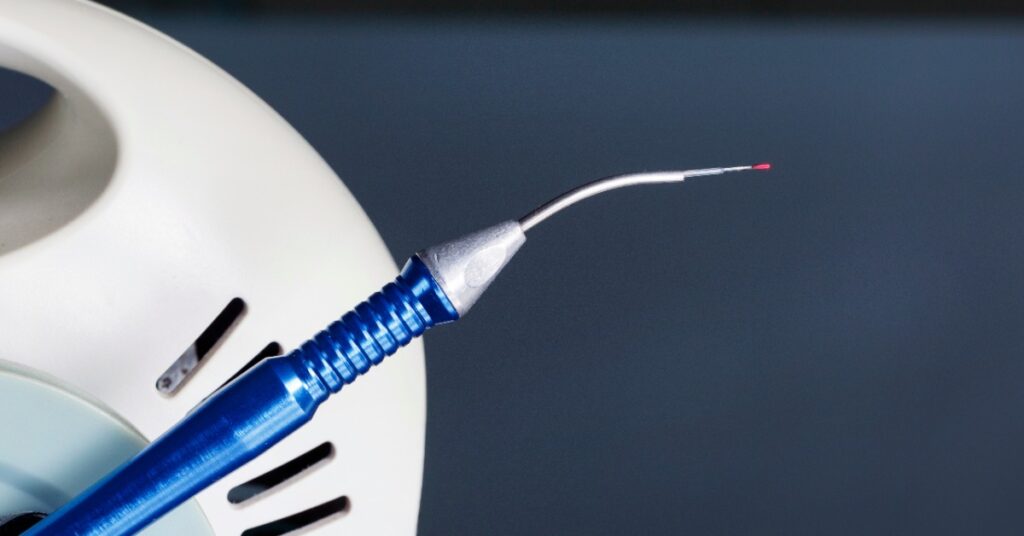
Dental lasers use concentrated beams of light energy to perform procedures involving teeth, gums, and other oral tissues. Depending on the type of laser, dental professionals use specific wavelengths to remove decayed tooth structure, treat diseased gum tissue, or reshape soft tissues. Because lasers interact with tissues through light energy, they operate differently from conventional instruments that rely on mechanical cutting or abrasion.
Minimizes Noise and Vibration During Treatment
For patients who associate dental appointments with the high-pitched sound of a drill, laser dentistry offers a welcome change. Many procedures that use rotary instruments produce vibrations that travel through the tooth and jaw, creating sensations some individuals find unpleasant.
Lasers operate without the same mechanical contact, eliminating much of the drilling noise and vibration during suitable treatments. Patients with dental anxiety may appreciate the quieter experience, particularly if previous appointments have made them sensitive to these sensations. However, certain procedures still involve conventional instruments, depending on the condition of the tooth.
Limits Irritation to Surrounding Tissues
When treating a cavity or an area of diseased gum tissue, dental professionals must work carefully to preserve healthy structures. Laser technology provides precise control over the treatment area, allowing practitioners to remove affected tissue without disturbing adjacent surfaces.
During certain cavity procedures, lasers selectively remove decayed material while preserving healthy enamel. For soft tissue treatments, the focused energy limits mechanical contact with neighboring tissues, potentially decreasing irritation throughout the procedure. Although local anesthesia remains necessary in some circumstances, patients may experience less discomfort during laser treatments.
Promotes a Gentle Recovery Experience
Soft tissue procedures sometimes leave patients with soreness, swelling, or minor bleeding as the gums begin healing. Certain dental lasers help manage these concerns by sealing small blood vessels during treatment, limiting bleeding at the procedure site.
The focused application can minimize trauma to surrounding tissue, contributing to a manageable recovery for appropriate procedures. Some laser treatments eliminate the need for sutures, although the extent of treatment and individual healing response influence what patients experience afterward.
2. Digital Dental Impressions
Traditional dental impressions involve placing a tray filled with impression material over the teeth to capture their shape. Digital impressions accomplish the same general purpose through an intraoral scanner, a handheld device that collects detailed images of tooth surfaces. Specialized software combines the images into a three-dimensional model that dental professionals use to plan restorations.
Eliminates Bulky Impression Trays
Conventional impression trays occupy considerable space inside the mouth, and the material must remain in position until it sets. During those minutes, patients must accommodate the tray’s shape, texture, and pressure against their teeth and surrounding tissues.
Digital scanning replaces this process with a compact wand that moves along the dental arches. Without impression putty filling the mouth, patients avoid the sticky texture and sensation of material pressing against their teeth. The scanning process allows brief pauses when necessary, giving individuals an opportunity to rest their jaw before continuing.
Eases Discomfort for Sensitive Gag Reflexes
Some individuals experience gagging when dental materials touch sensitive areas near the tongue or back of the mouth. Traditional impression trays occasionally trigger this reflex because they cover a substantial portion of the dental arch and hold material near those sensitive tissues.
Intraoral scanners capture images without requiring a mouthful of impression material. Dental professionals guide the wand around individual tooth surfaces, adjusting its position and allowing breaks when sensitivity becomes troublesome. Although scanning near the back teeth can still trigger gagging, the absence of bulky trays helps many patients tolerate the procedure.
3. CEREC Same-Day Dental Restorations
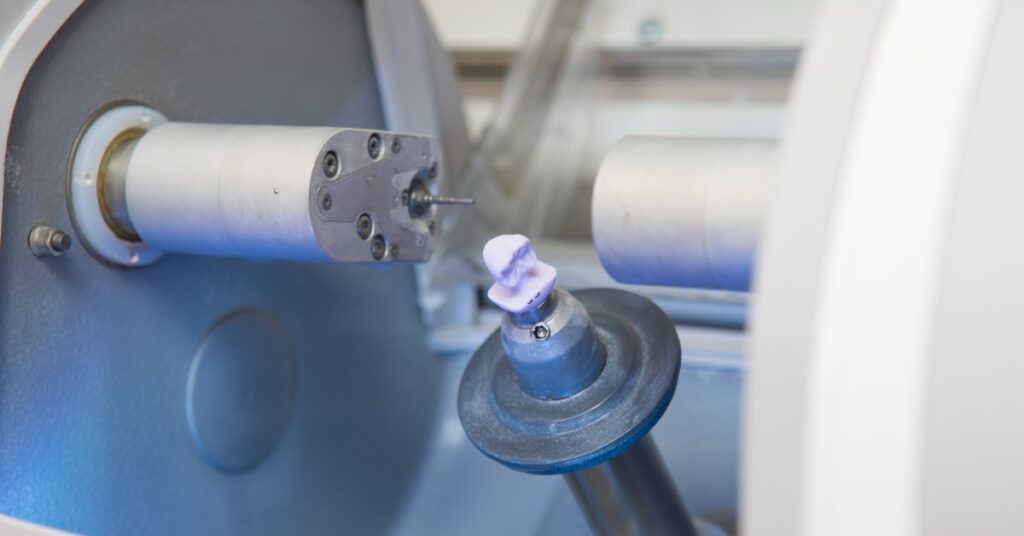
CEREC uses computer-aided design and manufacturing technology to produce customized ceramic restorations in a dental office. After capturing a digital impression, the dental professional designs the restoration using specialized software. An in-office milling machine shapes a ceramic block into a crown, inlay, or onlay.
Limits the Number of Dental Appointments
Receiving a conventional laboratory-fabricated crown typically involves separate appointments for preparing the tooth and placing the permanent restoration. Between these visits, patients must wait for the dental laboratory to manufacture the crown according to the provided specifications.
CEREC allows eligible patients to complete preparation, restoration design, fabrication, and placement during one appointment. Consequently, they avoid returning for a separate placement visit and potentially receiving another local anesthetic injection. Although the initial appointment takes time, completing the treatment in one session eliminates the inconvenience of scheduling multiple visits.
Avoids Discomfort From Temporary Crowns
When a dental laboratory manufactures a permanent crown, patients typically wear a temporary restoration to protect the prepared tooth. These temporary crowns serve an essential purpose, but they occasionally loosen, irritate surrounding gum tissue, or cause sensitivity when eating certain foods.
Same-day CEREC treatment eliminates the temporary stage. Once the milling process finishes, the dental professional checks the ceramic restoration’s fit, evaluates the bite, and secures it to the prepared tooth. Patients leave with a completed restoration.
4. Digital 3D Dental Imaging
Digital three-dimensional imaging gives dental professionals a detailed view of structures beneath the visible surfaces of the teeth and gums. It captures X-ray information from multiple angles to reconstruct the teeth, jawbone, and surrounding anatomy. Dental professionals review these images when evaluating complex conditions or planning procedures such as implant placement.
Improves Precision in Treatment Planning
Certain dental procedures involve anatomical structures that professionals must locate accurately before treatment. For example, implant placement involves examining available jawbone and identifying nearby nerves or sinus cavities to determine an appropriate position.
Digital 3D images reveal these relationships from multiple perspectives. Thorough preparation using this technology forms the procedure around the patient’s anatomy. Although imaging cannot eliminate every complication, detailed planning provides a controlled experience.
Helps Patients Understand Upcoming Procedures
Uncertainty about a dental diagnosis sometimes contributes to anxiety, particularly when someone faces an unfamiliar treatment. Verbal explanations don’t always communicate the location of a damaged tooth, the extent of bone loss, or the purpose of a recommended procedure.
With digital imaging, dental professionals show patients detailed views of the affected area and explain the findings directly on a screen. Seeing the structures involved helps individuals understand why treatment is necessary and what the procedure involves. As a result, patients enter appointments with realistic expectations and an opportunity to discuss concerns beforehand.
Experience Modern Dental Care That Eases Your Comfort
Modern dental advancements improve patient comfort by evaluating the patient’s anatomy and customizing the treatment method. At Asheville Holistic Dentist, Dr. Peter Pang combines advanced technology with a holistic, minimally invasive approach to dental care. If you’re looking for a dentist in Asheville, NC, who prioritizes patient comfort, schedule an appointment. The team at our practice will explain how laser dentistry, digital imaging, and customized restorations could fit into your dental health goals.