
Not every damaged tooth requires the same amount of restorative coverage. A crack may weaken one section of a tooth, while extensive decay could compromise the visible structure.
Dentists may recommend crowns or onlays to restore the damaged tooth structure. If you haven’t heard of these treatment methods before and want to find out which is right for your oral health, here’s what you need to know about the differences between dental crowns and onlays.
What Is a Dental Crown?
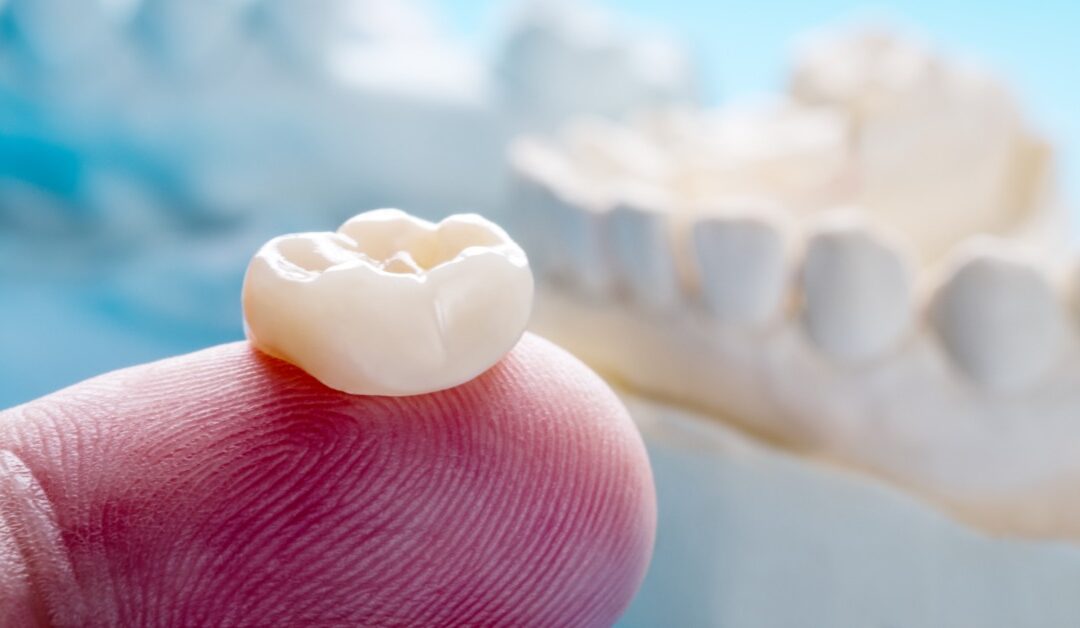
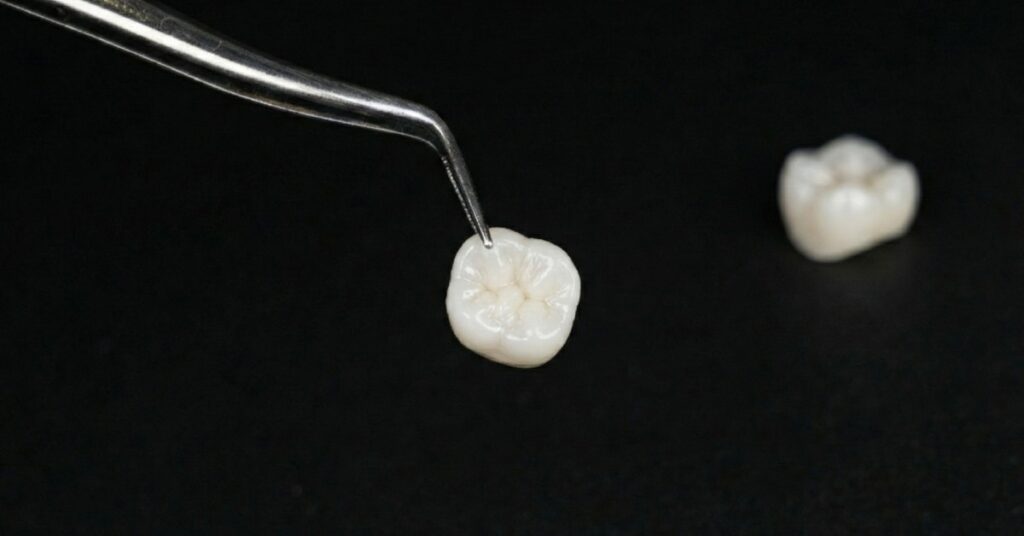
A dental crown is a custom restoration that fits over the visible portion of a damaged tooth. Before placing the crown, a dentist prepares the tooth, so the restoration has enough space to sit securely within the bite. The finished crown surrounds weakened structure and forms a new outer surface that handles chewing.
When a tooth has lost substantial structural support from decay or previous dental work, crowns are a beneficial treatment. A large fracture leaves the remaining walls vulnerable to additional stress. After root canal treatment, some teeth receive crowns because the remaining structure requires protection from chewing forces. The exact treatment approach depends on the tooth’s condition and location in the mouth.
What Is a Dental Onlay?
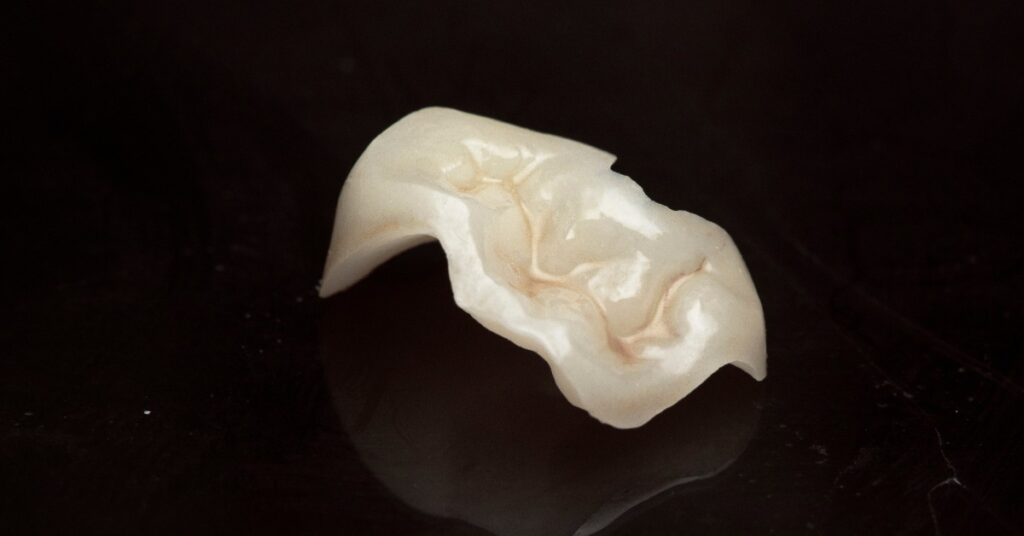
An onlay restores part of the chewing surface instead of surrounding the entire visible tooth. The restoration fits into the prepared area and extends over one or more cusps requiring reinforcement. Healthy enamel outside the damaged area remains uncovered.
Dentists generally consider an onlay after damage exceeds what a filling supports, but there’s healthy structure available. The dentist removes decay or weakened material before shaping the remaining tooth to receive the restoration. Once bonded into place, the onlay rebuilds missing structure and restores contact with the opposing tooth.
How Much Tooth Structure Gets Covered?
Coverage creates one of the clearest distinctions between these restorations. A dentist studies how far damage extends across the tooth before deciding how much surface area the restoration must protect. Preserving the enamel is a priority because natural tooth structure provides valuable support.
Crowns Cover the Visible Tooth
A crown surrounds the prepared portion of the tooth above the gumline. The dentist removes enough outer structure to create room for the restorative material and establish a stable fit. This design becomes useful when several surfaces have extensive damage or the tooth has little dependable structure remaining.
Full coverage distributes chewing pressure across the restoration instead of concentrating force on weakened walls. The crown must fit closely at its margins because those edges meet the natural tooth.
Onlays Cover Damaged Sections
An onlay takes a more localized approach since it replaces the portions that require reinforcing. Depending on the damage, coverage ranges from one cusp to several areas of the chewing surface. Strong sections of natural enamel remain intact outside the preparation.
Preserving healthy structure changes the amount of tooth preparation involved. The dentist focuses on removing compromised material and creating a stable surface for bonding. Therefore, an onlay occupies the space between a filling and a crown in terms of coverage.
What Types of Damage Suit Each Treatment?
The amount of missing tooth structure influences the treatment method, but it isn’t the only clue. Dentists also examine cracks, previous restorations, and the strength of the remaining enamel and dentin. They assess whether the tooth can withstand chewing forces and determine how much support the restoration must provide.
Crowns Support Extensively Damaged Teeth
Severe decay can leave thin walls around a large cavity or an extensive previous filling. These weakened walls may flex each time the patient bites or chews, which increases the risk of fracture. A crown covers the entire visible portion of the tooth and connects the remaining structure into a stronger unit. By surrounding the tooth, the crown distributes chewing forces across the restoration instead of allowing weakened walls to absorb the full pressure.
When large cracks extend across several surfaces, dentists may recommend crowns. Before treatment, it’s essential to evaluate the crack’s depth, direction, and location to determine whether the tooth remains restorable. When enough healthy structure remains, the dentist reshapes the tooth, places a protective crown over it, and restores its normal contour and function.
Onlays Address Localized Damage
Moderate damage may affect one cusp or a defined portion of the chewing surface without weakening the entire tooth. In this situation, an onlay replaces the damaged section while preserving healthy enamel and dentin around it. The dentist removes only the compromised structure and bonds the custom-made restoration to the prepared area. This approach can provide reliable support when a large filling would leave too little tooth structure around the repair.
A fractured cusp provides one common example. The dentist removes the unstable portion, evaluates the remaining cusps and walls, and designs an onlay that fits the missing section precisely. The restoration then reinforces the weakened area while allowing the dentist to preserve surfaces that still have adequate strength. When the remaining tooth structure can support a bonded restoration, an onlay offers targeted coverage without covering the entire tooth.
How Do Dentists Choose a Restoration Option?
Since dental crowns and onlays are different methods, the treatment process begins with a close examination of the affected tooth. Dental images reveal decay depth and structural changes that aren’t obvious from the surface. The dentist then evaluates the remaining enamel to determine whether partial coverage provides enough support.
Chewing forces influence the recommendation because molars absorb substantial pressure. Existing fillings and cracks change how those forces travel through the tooth. The dentist must consider whether exposed walls will remain stable after removing the damaged material.
The goal isn’t to select the largest restoration available. Instead, treatment should replace compromised structure and preserve dependable enamel whenever the tooth permits it.
The Process of Creating Crowns and Onlays
Modern ceramic restorations begin with a digital scan of the prepared tooth. Computer-aided design software converts the scan into a three-dimensional model that supports precise restoration planning. A milling unit then shapes the restoration from a ceramic block in offices equipped with chairside CAD/CAM technology.
Both crowns and onlays require close attention to fit. The dentist checks the restoration against the prepared tooth and evaluates contact with nearby teeth. Bite contact receives another careful review because excess pressure strains the restored tooth. Once the dentist confirms the fit, the selected bonding or cementation method secures the restoration.
In offices equipped with chairside CEREC systems, the dentist completes certain ceramic restorations in one appointment. Keeping the scanning and milling equipment on site removes the separate laboratory stage from this type of workflow. Patients receive a restoration designed from digital information collected from the prepared tooth.
Schedule a Visit To Review Your Restoration Options
A damaged tooth warrants an evaluation before choosing how much coverage it requires. Patients considering dental crowns in Asheville, NC can schedule an appointment with Dr. Pang to review their restorative options. At Asheville Holistic Dentist, we use biocompatible porcelain and CEREC technology to create customized restorations in the office. Schedule a visit, and give your teeth the restored support they deserve.