
Sleep apnea is a sleep disorder that causes breathing to repeatedly pause and restart during sleep. Obstructive sleep apnea, the most common form, develops when tissues in the upper airway block airflow as the muscles relax. These interruptions affect sleep quality, but changes in nighttime breathing sometimes leave clues inside the mouth, too. Being able to recognize the signs that sleep apnea may be affecting oral health helps patients connect mouth dryness, jaw discomfort, and more to an underlying source.
Dry Mouth After Sleeping
Waking with a sticky mouth or an unusually dry tongue could indicate reduced moisture during sleep. People with obstructive sleep apnea breathe through the mouth when upper-airway restriction interferes with normal airflow, exposing oral tissues to air for hours.
Saliva moistens the tongue, cheeks, and gums while clearing food particles and controlling harmful microorganisms. After several hours of dryness, a person could wake with thick saliva, cracked lips, or throat dryness. Medications and medical conditions produce similar symptoms, so morning dryness isn’t specific to sleep apnea. However, repeated dry mouth alongside snoring, gasping, or poor-quality sleep gives the symptom additional context.
Cavities Developing With Persistent Dryness
When dry mouth becomes a regular nighttime problem, the teeth lose part of saliva’s natural protection. Saliva washes away food residue, neutralizes acids, and delivers minerals that protect enamel. A consistently dry oral environment gives cavity-causing bacteria and acids more opportunity to affect tooth surfaces.
Someone who previously had stable dental checkups could begin developing new areas of decay, especially if oral dryness became an issue around the same time. The change doesn’t mean sleep apnea directly caused the cavities. Diet, hygiene, medications, and existing dental conditions all affect the risk of decay. Nevertheless, a pattern of dry mouth followed by new cavities helps dentists understand how nighttime breathing could impact the mouth.
Recurring Mouth Sores
Soft tissues rely on saliva for moisture and lubrication. When the mouth remains dry for much of the night, the tongue, cheeks, lips, and gums have decreased protection from friction.
Dry tissue could feel tender or raw, and small sores could develop in areas that repeatedly rub against the teeth. Persistent dryness may also cause burning sensations or cracked tissue. Mouth sores have many possible causes, including accidental biting, viral infections, and nutritional deficiencies. However, sores that appear alongside pronounced morning dryness could reflect the effect that repeated mouth breathing has on delicate oral tissues.
Repeated Bad Breath in the Morning
Breath odor after waking is common, but pronounced morning bad breath paired with ongoing oral dryness could occur due to sleep apnea. Saliva continually rinses bacteria, dead cells, and food debris from the mouth. Reduced moisture during sleep leaves more of the material on the tongue and around the teeth.
Bacteria break down those substances and release compounds that contribute to unpleasant odor. The effect is very noticeable first thing in the morning after several hours of mouth breathing. When strong morning odor develops alongside dry mouth and disrupted sleep, the combination gives a dentist additional information to consider.
Flattened or Worn Tooth Surfaces
Sleep bruxism involves grinding, clenching, or pushing the jaw during sleep. Sometimes, it occurs alongside obstructive sleep apnea. Repeated contact places substantial pressure on enamel, even when the person doesn’t remember grinding.
Chewing surfaces lose their original contours over time. The edges of front teeth could appear flattened or chipped. Small cracks may develop in enamel or restorations when repeated pressure concentrates on the same areas. A dentist sometimes notices these changes before the patient feels anything unusual. Unexplained wear combined with snoring, breathing pauses, or morning symptoms could prompt a broad conversation about what happens during sleep.
Increased Tooth Sensitivity
Eventually, changes in enamel affect how a tooth reacts to temperature and pressure. Grinding places repeated force on the teeth and can contribute to worn enamel, small cracks, or stress around existing restorations. A patient could feel a brief sharp sensation after drinking something cold or notice tenderness when biting into firm food. Sensitivity can affect one tooth or several areas depending on the source of the problem.
Decay, gum recession, cracks, and recent dental work are common explanations, too. When sensitivity develops alongside visible wear or signs of nighttime clenching, a dentist has reason to consider sleep-related grinding as part of the overall picture.
Jaw Soreness in the Morning
Jaw muscles work hard when a person clenches or grinds during sleep. Repeated contraction leaves the cheeks, temples, and jaw feeling tight upon waking. Some patients notice stiffness when they first open their mouth or tenderness near the temporomandibular joints in front of the ears. Morning timing is useful because the discomfort appears directly after several hours of unconscious jaw activity. The sensation sometimes fades through the day, then returns after another night of clenching.
Inflamed or Bleeding Gums
Redness, swelling, tenderness, or bleeding around the gumline usually points to irritation or inflammation in the periodontal tissues. Plaque accumulation remains a major cause, but persistent dryness removes some of saliva’s normal help with bacterial control and debris removal.
Mouth breathing also leaves the tissues at the front of the mouth feeling dry or irritated after sleep. These changes don’t mean sleep apnea directly caused gum disease, and bleeding gums shouldn’t be treated as a sleep-apnea test. Gum inflammation becomes more relevant when it appears alongside dry mouth, snoring, disrupted breathing, or poor sleep. A dental examination identifies whether plaque, periodontal disease, dryness, or another issue is contributing to the tissue changes.
Discuss Oral Changes With a Dentist
Patterns inside the mouth provide useful information about what happens during sleep, especially when several symptoms appear together. Patients who notice sleep apnea affecting oral health should discuss those changes alongside snoring, breathing interruptions, morning headaches, or daytime fatigue.
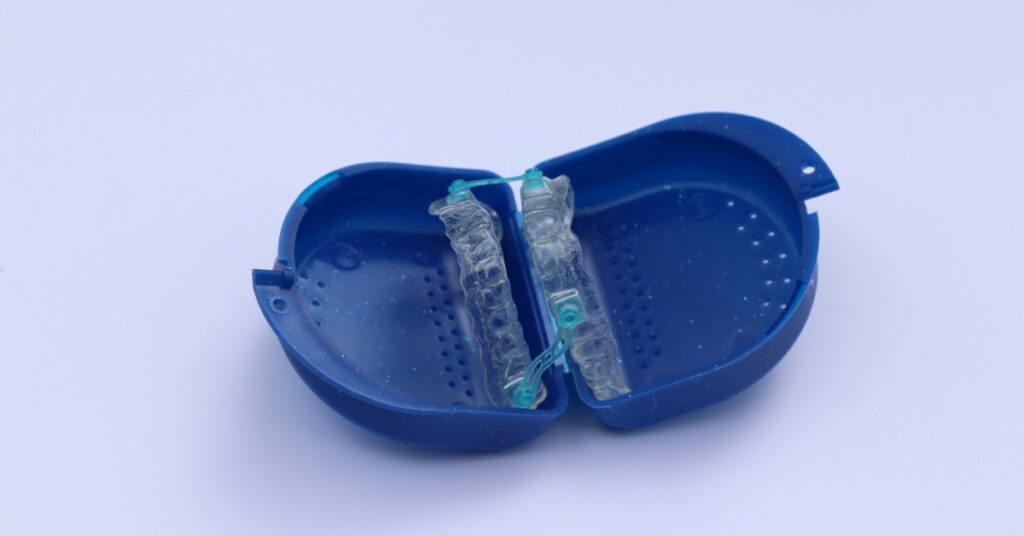
Asheville Holistic Dentist evaluates sleep concerns and offers sleep apnea treatment in Asheville, NC, for patients. Oral appliance therapy isn’t appropriate for every form or severity of sleep apnea, so candidacy depends on the diagnosis and oral health. Using an at-home sleep test and an in-office evaluation, Dr. Peter Pang will determine if an oral appliance is the best course of action. If you’re ready to treat sleep-related symptoms and improve your oral health, schedule a consultation today.