
Patients who pay close attention to what goes into their bodies bring the same intentionality to their health care. While silver fillings are a common treatment method for cavities, they don’t suit every patient’s preference. Some individuals might lean toward choosing mercury-free dental treatments. Here’s what you need to know about this treatment method.
Amalgam Fillings Contain Metal Materials
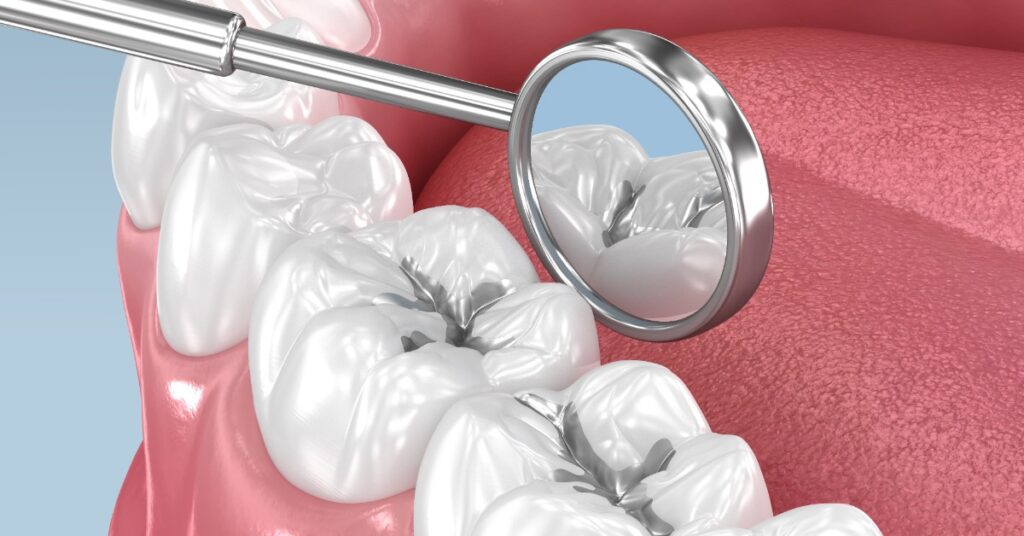
Dental amalgam combines mercury with silver, copper, tin, and sometimes zinc. According to the U.S. Food and Drug Administration, mercury accounts for about half of an amalgam filling by weight. Mercury binds the other metal particles into a workable mixture that hardens after a dentist places it in a cavity. Dentists have used amalgam for generations because the hardened material withstands substantial chewing pressure.
The familiar term “silver filling” describes its appearance, not its full composition. Patients who never discussed restoration materials in the past sometimes discover years later that a filling contains mercury. Once they understand the material, some begin asking whether they would choose the same type of restoration today.
Why Does Mercury Exposure Raise Safety Questions?
Amalgam fillings release low levels of mercury vapor as they deteriorate over time. Activities such as chewing and grinding affect that release, and placement or removal temporarily increases vapor exposure. The FDA states that research has not shown conclusive evidence that dental amalgam causes harmful health effects in the general population. The agency identifies people who are pregnant or nursing, children under six, people with neurological or kidney conditions, and people with sensitivities to amalgam metals as higher-risk groups. They recommend avoiding amalgam when possible and appropriate for these patients.
Those distinctions influence how people think about future dental work. Some patients selecting a new filling prefer a material that contains no mercury, even when they have never experienced a problem with amalgam in the past. Others simply want to limit an avoidable source of metal exposure as part of a cautious approach to personal wellness.
The Reasons Why Patients Choose Mercury-Free Fillings
Patients Want To Control Material Selection
Modern restorative dentistry gives patients several materials to consider, so a filling decision doesn’t have to feel automatic. People who value biocompatibility sometimes ask what a restoration contains, how it interacts with oral tissues, and whether it matches their personal health preferences. Mercury-free doesn’t mean that one material suits every tooth or every patient. Each option has unique properties and possible sensitivities.
Resin Fits Conservative Repairs
When decay leaves a relatively small opening, tooth-colored resin provides a mercury-free option that bonds to tooth structure after the dentist removes the decay. Dentists match the shade to nearby enamel, so the final restoration blends into the smile. Patients who want to avoid certain compounds might select BPA-free resin.
Porcelain Restores Extensive Damage
Large fillings sometimes leave thin walls or weakened cusps after a dentist removes the old material. In those situations, porcelain inlays, onlays, or crowns restore missing structure and handle chewing forces across a broad area. Porcelain contains no mercury, and its tooth-colored appearance appeals to patients who need a structural repair and want a natural-looking result.
Tooth-Colored Materials Match Aesthetic Preferences
Health concerns don’t drive every material choice. Silver amalgam creates a dark contrast against enamel, especially on teeth that show when a person laughs or opens their mouth. Resin and porcelain let dentists restore damaged areas with shades that resemble natural teeth, so the dental work attracts less attention.
Appearance becomes especially relevant when a patient already needs a failing restoration replaced. Choosing a tooth-colored material lets the new restoration address the damaged area without introducing another visible metal filling. For many people, that combination of function and appearance makes a mercury-free option appealing.
Aging Fillings Prompt New Decisions
Existing fillings change along with the teeth around them. Years of chewing, grinding, temperature changes, and normal wear affect the filling margins and surrounding enamel. A patient might notice sensitivity, a rough edge, pain with chewing, or a visible crack, though some failing restorations produce few noticeable symptoms.
A dental evaluation separates concerns about material composition from concerns about the tooth itself. If decay develops around a filling or the remaining tooth structure weakens, a dentist may recommend replacement regardless of whether the restoration contains mercury. At that point, patients have an opportunity to select a mercury-free material that fits the size of the repair and their treatment preferences.
Whole-Body Priorities Shape Material Choices
Patients who seek holistic dental care frequently want treatment decisions to reflect more than the immediate cavity. They consider material composition, chemical sensitivities, previous reactions, and personal wellness goals when reviewing restorative options. A biocompatible approach takes those preferences seriously.
That perspective encourages a detailed conversation before treatment. Instead of viewing a filling as a generic product, the patient and dentist consider how much tooth structure remains and what material best suits the location. The discussion leads to an individualized restoration plan that reflects the tooth and the patient’s priorities.

The Importance of Safe Amalgam Removal
Choosing a mercury-free filling for new decay differs from deciding what to do with an existing amalgam restoration. When replacement is appropriate, some patients specifically seek a dental office that follows added precautions during removal.
The International Academy of Oral Medicine and Toxicology (IAOMT) developed the Safe Mercury Amalgam Removal Technique, or SMART, to reduce exposure to mercury vapor and particles during the procedure. The use of protective barriers, water irrigation, high-volume suction, air filtration, and sectioning the filling into large pieces protects patients from mercury exposure. Patients who value those precautions benefit from finding a SMART-certified dental practice for amalgam removal when an old filling requires replacement.
Review Mercury-Free Options in Asheville
Asheville Holistic Dentist offers mercury-free dental treatments for patients who want restorative care aligned with a holistic approach. Dr. Pang’s office does not place dental amalgam. Instead, the practice uses BPA-free white resin or porcelain restorations.
If you have an old filling that concerns you or you want to discuss mercury-free materials for upcoming dental work, schedule an appointment with Asheville Holistic Dentist. A careful evaluation clarifies the condition of the tooth, explains available restoration materials, and helps patients select the option that reflects their oral health and personal preferences.