
Having one or multiple missing teeth can make you feel like your smile isn’t as beautiful as it once was. However, this situation can also impact your mouth’s function, too.
A gap changes biting pressure and makes certain foods difficult to chew. It also interferes with speech when the tongue loses contact points used to form several sounds. These physical changes turn a dinner with friends and everyday conversations into stressful situations where you feel self-conscious.
Some people experience anxiety or low self-esteem because they’re constantly thinking about their smile. Fortunately, dental implants are a solution that can restore tooth function, thereby strengthening your confidence as you regain the ability to eat and speak comfortably.
What Are Dental Implants?
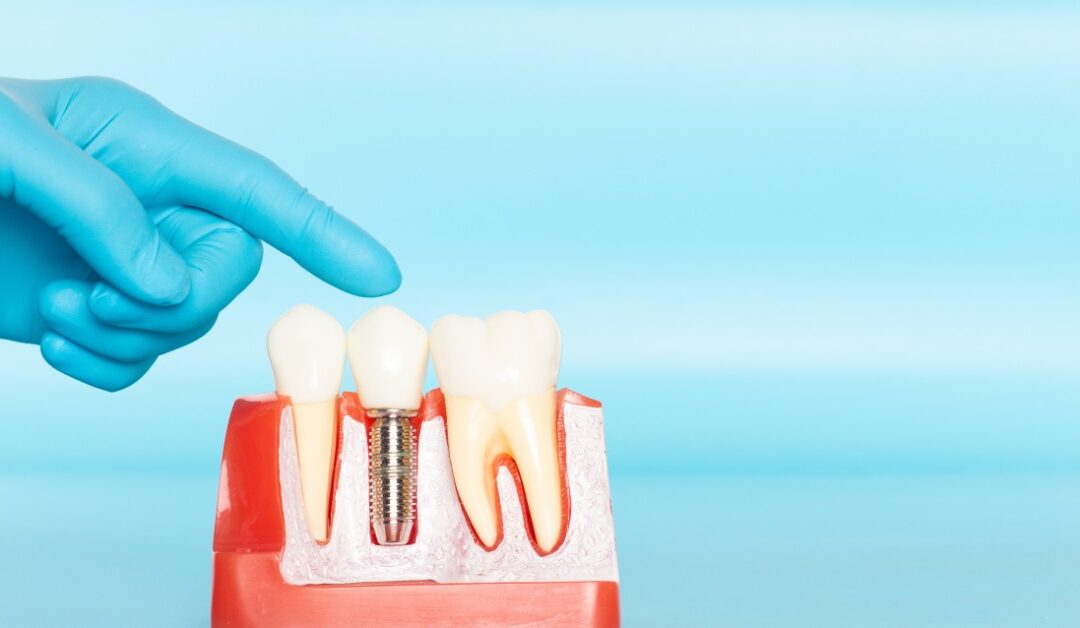
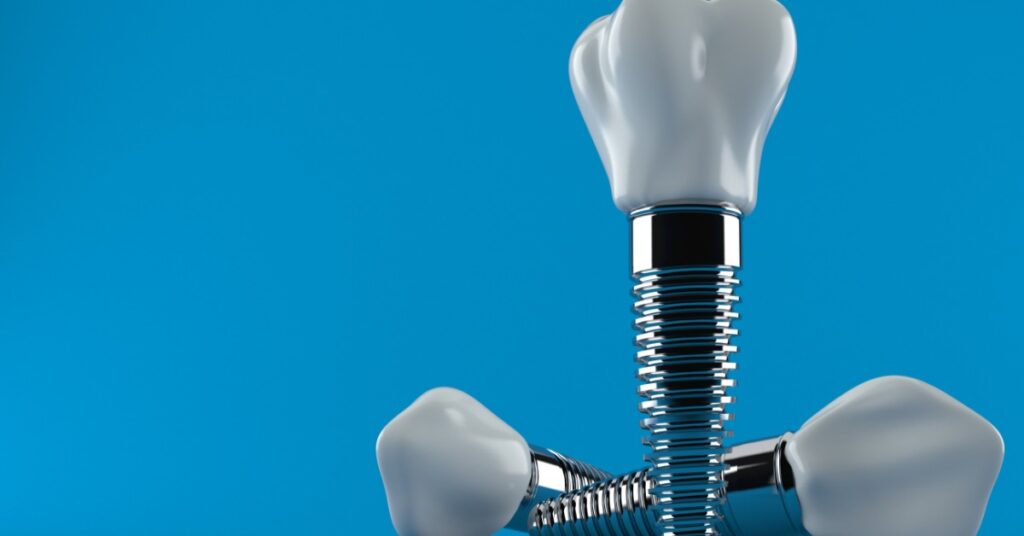
A dental implant is a small titanium post that replaces the root portion of a missing tooth. The dentist places the post within the jawbone at a planned depth and angle. Bone gradually bonds with the implant surface through a healing process called osseointegration. After the site heals, an abutment connects the implant post to the visible restoration.
The restoration depends on the number of missing teeth. A single implant supports one crown in an isolated space. Several implants support restorations across a large area of tooth loss.
Improve Chewing Function
Losing a tooth interrupts the system that distributes biting pressure across the dental arch. Patients sometimes compensate by chewing primarily on the opposite side. Over time, this seemingly harmless habit places disproportionate pressure on the remaining teeth.
An implant restores support beneath the replacement tooth because the titanium post integrates with the jawbone. Once the dentist attaches the restoration, the new chewing surface has a stable foundation beneath the gumline. Proper planning positions the restoration to meet the opposing teeth within the bite. Since the back molars crush food under substantial pressure, this treatment will benefit the back teeth greatly.
Enjoy Meals Around Other People
Difficulty chewing changes the way someone approaches a restaurant meal or family gathering. A person worried about simply eating food sometimes chooses soft items or eats slowly to avoid drawing attention. Some people begin declining social meals because the experience creates embarrassment.
Eating becomes less restrictive after dental implants because food choices no longer revolve around protecting a gap. Instead of each bite requiring careful monitoring, the attention shifts back to conversation and enjoyment of the food. Regaining this routine eases the struggle tied to eating a meal.
Decrease Strain When Speaking
Speech depends on coordinated movement between the tongue and oral structures. Teeth provide contact points that guide airflow and tongue placement for sounds such as “s” and “th.” Without a tooth, the decreased surface alters how air passes through the mouth. A person might have to compensate with different tongue movements to make certain sounds.
An implant restoration fills the missing space with a fixed tooth surface. Once the crown sits in the correct position, the tongue regains a stable contact point for articulation. The replacement restores the dental arch contour where the gap previously interrupted it. These structural changes support clear speech patterns as the mouth adjusts to the addition.
Join Conversations With Less Worry
Talking to friends or having a conversation with a waiter should be something that comes naturally. Because of missing teeth, speaking becomes a demanding task. You might have to slow down your speech or be conscious of avoiding specific words. The situation becomes extremely frustrating as you feel like you can’t communicate with people comfortably.
With dental implants, the open space that contributed to altered airflow or tongue position disappears. Speech becomes more predictable, and conversations require less strain for pronunciation mechanics. Over time, you’ll notice your self-esteem improving because you spend less mental energy anticipating how every word will sound.
Strengthen Jawbone Support
The jawbone responds to mechanical force from natural tooth roots. After a tooth disappears, the bone in that location loses stimulation associated with biting and chewing. The ridge gradually loses volume as the body remodels bone around the empty space.
Dental implants interact with the jaw differently because the post occupies the missing root space. Osseointegration creates direct contact between living bone and the implant surface. Chewing forces then travel through the restoration into the implant and surrounding bone. This connection supports bone preservation around the replacement root.
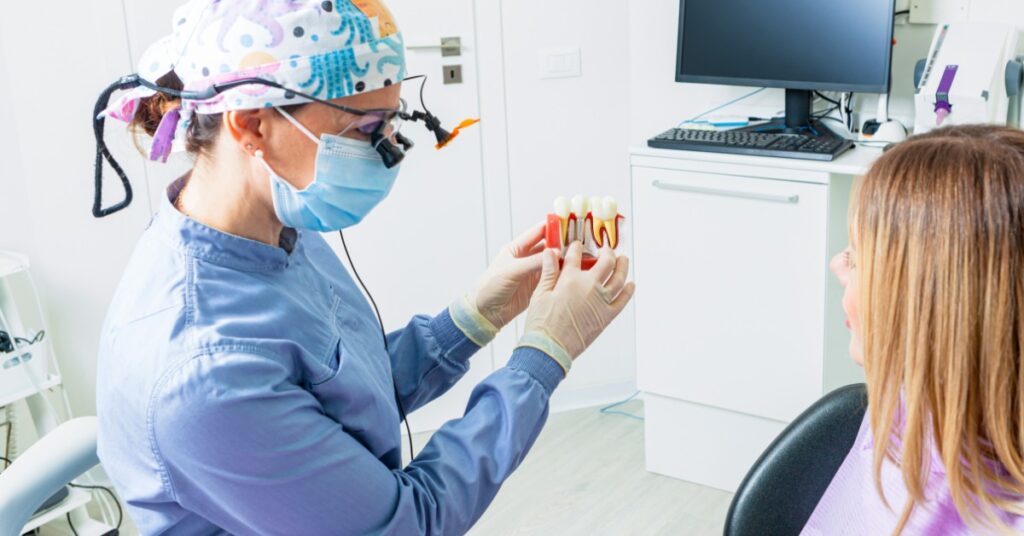
Bone quantity influences treatment planning. A dentist evaluates ridge height and width before choosing implant dimensions. Three-dimensional imaging reveals areas with limited support, so the plan reflects the patient’s anatomy.
Trust the Smile’s Foundation
Tooth loss creates uncertainty because the empty area changes beneath the gumline. Patients sometimes wonder whether a replacement will remain stable when they bite into dense foods or speak throughout the day. Learning how an implant integrates with bone provides a physical explanation for its support.
The restoration doesn’t depend only on the visible crown. Its titanium post extends into the jaw where bone surrounds the implant surface after healing. This internal foundation makes the restored area seem less fragile to someone who has spent months protecting a missing tooth. Greater trust in the treatments restores the predictability of everyday movement.
Prevent Shifting Teeth
Every tooth occupies a specific position within the dental arch. When one disappears, neighboring teeth lose part of the contact that previously maintained spacing. Teeth beside the gap sometimes drift or tip toward the open area. Changes in alignment alter bite contacts and complicate cleaning.
The implant-supported crown sits between neighboring teeth and recreates contact points along the arch. Those contacts support the spacing established by the surrounding teeth. A single implant stands independently instead of relying on adjacent teeth for support.
Worry Less About Tooth Movement
Watching a gap change leaves patients wondering what will happen to the surrounding teeth next. A tooth that begins leaning into the space makes the smile seem unpredictable. Changes in the bite create another source of concern as the mouth closes differently.
Patients no longer have to view the space as an unprotected area when an implant occupies the gap and establishes contact with the neighboring teeth. There’s no room for the teeth to migrate, strengthening people’s trust in their smile.
Improve Daily Function With Dental Implants
A carefully planned dental implant treatment restores function and confidence by rebuilding support where tooth loss has changed everyday habits. If you’re ready to learn more about dental implants in Asheville, NC, Asheville Holistic Dentist is available to assist. Our team prioritizes treatments tailored to each patient’s oral health and overall wellness goals. With our practice’s support, you’ll feel confident in your smile again.