
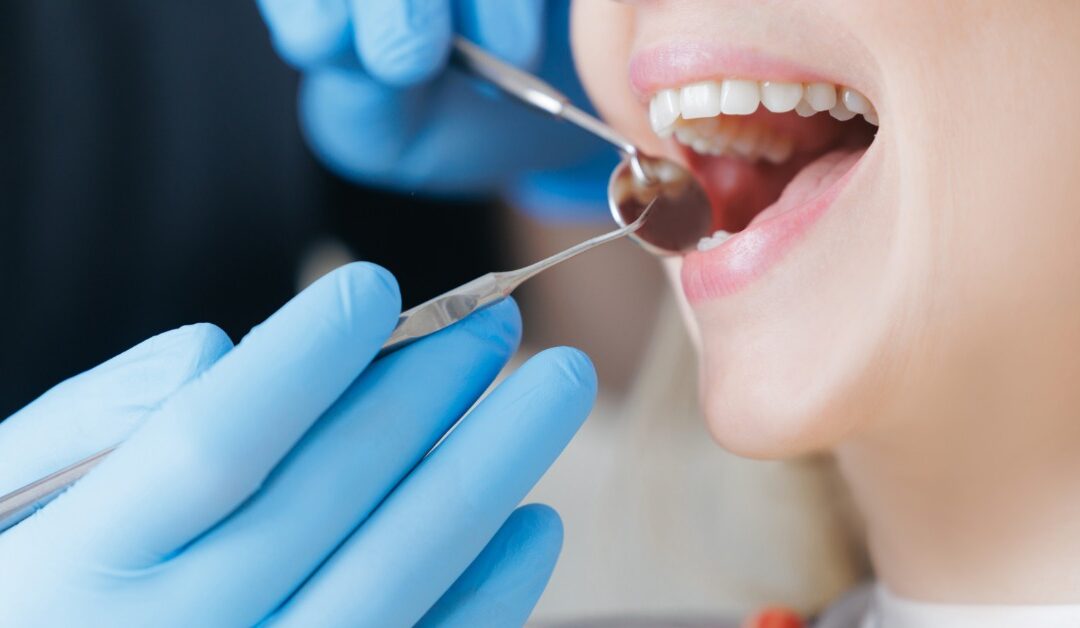
Even with a shiny smile, buildup settles along the gumline or between neighboring teeth. Brushing and flossing remove much of the film, but small deposits remain in places that home tools don’t reach well.
Professional teeth cleanings support long-term health by protecting the gums and enamel. Find out what routine cleanings treat and how they can improve your overall well-being.
What Do Dental Hygienists Remove?
Dental hygienists remove soft bacterial film and hardened deposits from tooth surfaces. These substances develop through normal activity in the mouth. Their texture determines whether home care removes them completely.
Plaque Develops Each Day
Plaque is a sticky film containing bacteria, food particles, and saliva. It forms across enamel and gathers near the edges of the gums or between teeth.
Consistent brushing and interdental cleaning remove much of this film. Still, crowded teeth or uneven contours leave small areas untouched. Remaining plaque keeps bacteria close to enamel and gum tissue.
Tartar Bonds to the Teeth
When plaque remains in the mouth for extended periods, tartar forms. This hard, calcified deposit impairs teeth and the gumline. Brushing and flossing cannot lift away this substance. The deposit bonds firmly to the tooth and creates a rough surface.
Reduce Gum Inflammation
Plaque that collects along the gumline exposes soft tissue to bacterial byproducts, and the gums react quickly with redness, swelling, or bleeding during brushing. Despite minimal discomfort, inflammation signals the presence of irritants.
A professional cleaning interrupts this cycle by removing the deposits that continue to trigger the response. Hygienists leverage ultrasonic instruments to break apart tartar with rapid vibrations and a controlled water stream. Then, they will use hand tools to clear buildup in tight spaces and curved surfaces.
Once the hygienist removes these irritants, the gums regain a more stable environment and begin to recover. Patients still need consistent home care to maintain these results, but clean tooth surfaces make daily plaque control along the gumline far more manageable.
The Use of Ozonated Water
Ozonated water is a valuable adjunct used in holistic dental practices during professional cleanings. It helps reduce bacterial presence in the mouth, creating a clean environment while the hygienist performs careful mechanical removal of plaque and tartar. This tool works alongside traditional scaling and polishing to enhance the overall effectiveness of the cleaning process.
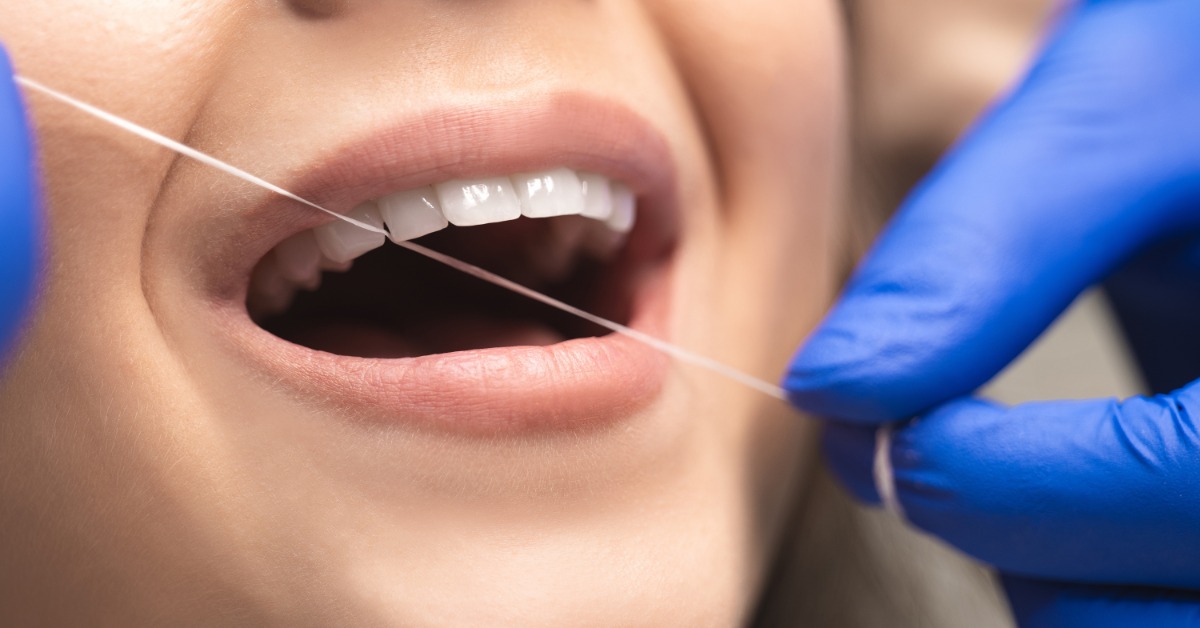
Protect Tooth Support
Gums form a protective seal around each tooth. When inflammation persists, it weakens that seal and deepens the space beside the tooth. As those spaces expand, bacteria and tartar move into areas that daily brushing cannot reach.
Advanced gum disease affects more than visible tissue. It damages the bone and connective structures that support each tooth. Professional care removes harmful deposits to prevent further breakdown.
Controls Buildup With Periodontal Maintenance
Periodontal maintenance serves people with a history of gum disease. These visits focus on recurring deposits that form around teeth and below the gumline. The hygienist monitors bleeding and checks for pocket changes that signal returning inflammation.
Some patients need scaling and root planing before they begin maintenance care. During scaling, the hygienist removes plaque and tartar from deep areas around the roots. During root planing, the hygienist smooths the root surfaces so gum tissue can heal and reattach to a clean, stable surface.
Decrease the Risk of Tooth Decay
Plaque bacteria feed on sugars and starches from food and quickly produce acids. These acids attack tooth enamel and gradually strip away essential minerals. When this cycle continues without interruption, the enamel weakens, and decay is likely to form.
Professional cleanings interrupt this process by removing plaque that everyday brushing misses. While cleanings don’t replace brushing and interdental care, they reinforce those daily habits and strengthen overall prevention.
Dental exams during the same visit add another layer of protection. The dentist checks for early enamel changes and spots potential cavities before they cause discomfort. This early detection allows for timely care that preserves natural tooth structure and reduces the need for more extensive treatment later.
Polishing Refines Tooth Surfaces
After scaling removes hardened deposits, the hygienist polishes the teeth to complete the cleaning process. This step clears away any remaining plaque and helps lift light surface stains that can build up from food, drinks, and daily habits. As the polishing tool moves across the enamel, it smooths the tooth surface and creates a more even finish, which makes it temporarily more difficult for new plaque to adhere.
Polishing also gives the teeth a smooth, comfortable surface. By refining the enamel surface after scaling, it reduces small irregularities where bacteria can more easily collect. This final step supports a cleaner feel and helps maintain the results of the cleaning in the days that follow.
Fluoride-Free Polishing Pastes
Dental practices may also tailor polishing materials to patient preferences. Some polishing pastes include fluoride, while others are fluoride-free. Pastes that don’t contain fluoride focus on smoothing and stain removal while effectively removing surface residue. This option is ideal for people who want to limit fluoride consumption and focus on holistic health treatments.

Support Whole-Body Wellness
While some people might think of teeth cleanings as an isolated treatment, oral hygiene affects the whole body. For instance, conditions like diabetes and sleep apnea directly influence oral health. Diabetes can increase glucose levels in saliva and make it difficult for the gums to heal. The result is a risk of inflammation and periodontal disease.
Sleep apnea, on the other hand, is commonly associated with mouth breathing and dry mouth. Each of these occurrences reduces saliva’s protective effects. Plaque is able to accumulate more easily, contributing to gum irritation and tooth wear.
At the same time, these conditions are not the only factors involved in oral health. Genetics, daily hygiene habits, diet, medications, smoking, and stress all play a role in how the mouth responds to bacteria and inflammation. Because of this, oral health outcomes vary widely from person to person, even among those with similar medical histories.
Routine dental cleanings help manage these risks by removing hardened plaque that home care cannot reach and by allowing early detection of changes in the gums and teeth. Although cleanings won’t cure systemic conditions, they serve as an important form of preventative maintenance that supports overall oral stability.
Improve Your Health Through Preventative Dental Care
No matter the current status of your oral or whole-body health, routine professional teeth cleanings are essential to support long-term well-being. Most patients should receive a cleaning every six months, while patients with more pressing health concerns benefit from visits every three or four months.
For teeth cleanings in Asheville, NC, that prioritize whole-body health, schedule an appointment with Asheville Holistic Dentist. Our skill team of professionals will use tailored approaches to preventive dental care.