
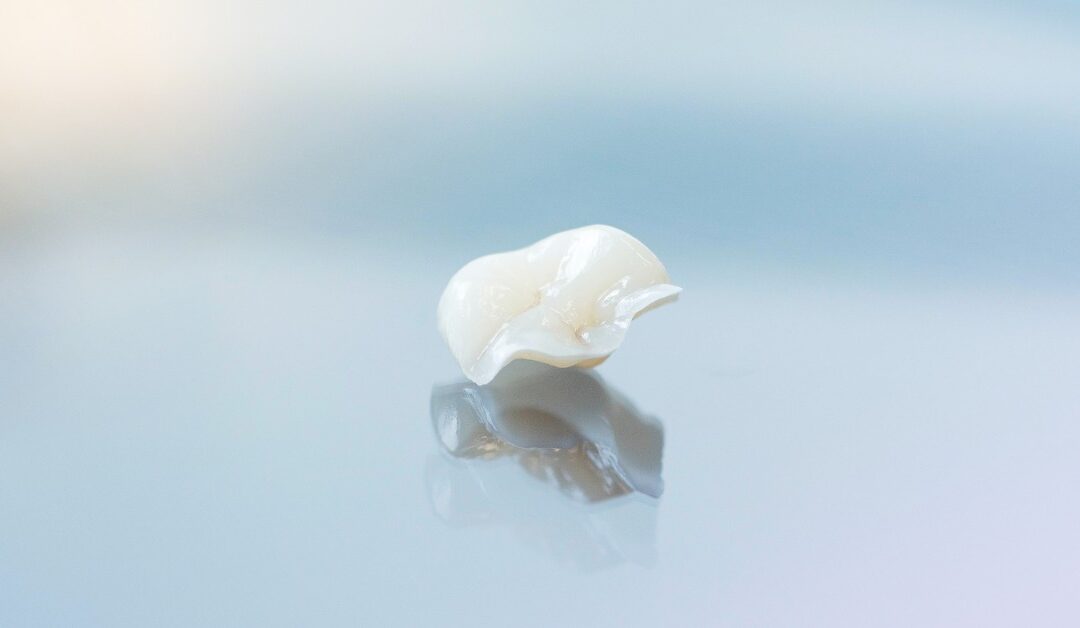
A damaged tooth doesn’t always need a full crown to restore its appearance and function. When decay, cracks, or deteriorating fillings affect a portion of the tooth, the goal is to repair the problem while retaining as much healthy enamel as possible. Dental inlays and onlays preserve natural teeth by restoring compromised areas and protecting the surrounding tooth structure from additional damage. These customized restorations offer a conservative approach to dental treatment that prioritizes maintaining the tooth’s natural form.
What Are Dental Inlays and Onlays?
Inlays and onlays are custom-made dental restorations that repair teeth with moderate decay or structural damage. Dentists typically recommend them when a standard filling cannot adequately restore the affected area, but the tooth still has enough healthy structure to avoid a full crown. Both restorations fit into portions of a tooth, and dentists bond them into place.
Although they serve similar purposes, their designs differ based on the location and extent of the damage. The distinction comes down to how much of the chewing surface each restoration covers.
Dental Inlays
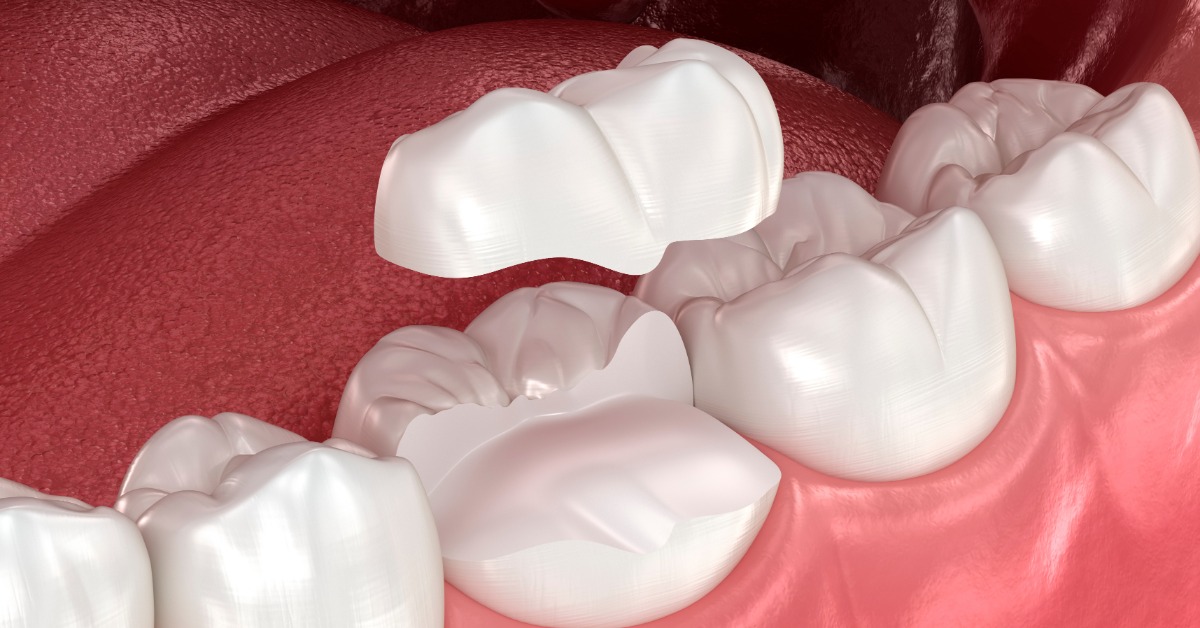
An inlay fits within the grooves of a tooth’s chewing surface, between the raised points known as cusps. Dentists commonly use inlays to repair moderate cavities or replace deteriorating fillings that occupy the central portion of a molar or premolar.
Unlike traditional fillings that dentists shape directly inside the mouth, inlays undergo a separate fabrication process. The finished restoration fits the prepared space, matching the tooth’s natural contours.
Dental Onlays
An onlay covers a portion of the chewing surface and extends over one or multiple cusps. Dentists generally recommend this restoration when decay or fractures affect the raised edges of a tooth.
Because an onlay covers a substantial portion of the chewing surface, it resembles a partial crown. However, the restoration doesn’t necessarily extend around the entire tooth.
Retain Healthy Enamel During Tooth Preparation
Tooth enamel forms a hard outer layer that protects the sensitive dentin underneath. Although enamel withstands substantial chewing pressure, cavities and fractures gradually compromise its structure. Once a dentist removes enamel, the body cannot naturally regenerate the lost tissue. Therefore, maintaining healthy enamel is an important consideration when selecting a dental restoration.
Inlays and onlays offer a conservative treatment approach because dentists prepare the specific areas affected by decay or damage. They remove compromised tissue, smooth the preparation as necessary, and retain healthy portions of the tooth that remain structurally sound. A full crown generally involves preparing the tooth around its entire circumference. On the other hand, an inlay or onlay typically preserves a greater portion of the original enamel when the damage permits this approach.
Strengthen Teeth Vulnerable to Further Damage
Large cavities and deteriorating fillings compromise the structure that holds a tooth together. When substantial portions of enamel or dentin disappear, the remaining walls and cusps become vulnerable to cracking under repeated chewing pressure. Even a small fracture could progress into a deeper crack if the tooth continues absorbing force through an unsupported area.
Custom-made inlays replace missing material within the chewing surface, restoring contact across the damaged portion. Onlays extend this reinforcement to compromised cusps, covering areas that might otherwise fracture under pressure. The restoration works with the remaining tooth structure to withstand normal biting forces, limiting the risk of additional damage that could eventually require extensive treatment.
Seal Natural Tooth Structure Through Precise Bonding
The connection between a dental restoration and the surrounding tooth affects its long-term stability. If small gaps develop around the restoration’s margins, bacteria and food particles could enter those spaces. Bacterial acids may eventually damage the exposed enamel or dentin, leading to decay beneath or beside the restoration.
Dentists use specialized dental adhesives and bonding techniques to secure ceramic inlays and onlays to the prepared tooth. Before placement, they carefully examine the fit and prepare the bonding surfaces to establish a reliable connection. A properly bonded restoration forms a close seal around the repaired area, limiting spaces where bacteria could accumulate. Although good bonding cannot eliminate future cavities, it contributes to maintaining the health of the remaining natural tooth.
Distribute Chewing Pressure Across the Tooth
Every tooth has a unique chewing surface that interacts with opposing teeth when biting and grinding food. Molars and premolars contain raised cusps that guide these movements and distribute pressure across their surfaces. When decay or fractures alter those contours, certain areas may absorb excessive force, increasing the likelihood of additional structural damage.
Inlays and onlays restore the tooth’s original chewing contours through customized designs. The dentist considers neighboring teeth, opposing bite surfaces, and the location of vulnerable cusps when determining the restoration’s shape. After placement, they check how the teeth contact each other and adjust the restoration when necessary. Balanced contact limits concentrated pressure that could strain the ceramic or contribute to fractures in the remaining tooth structure.
Maintain Tooth Integrity With Durable Ceramics
Dental restorations experience substantial pressure from chewing, along with frequent exposure to saliva and temperature changes. Materials must tolerate these conditions while maintaining their shape and connection to the tooth. If a restoration deteriorates or fractures, the surrounding natural structure could face additional strain or become vulnerable to decay.
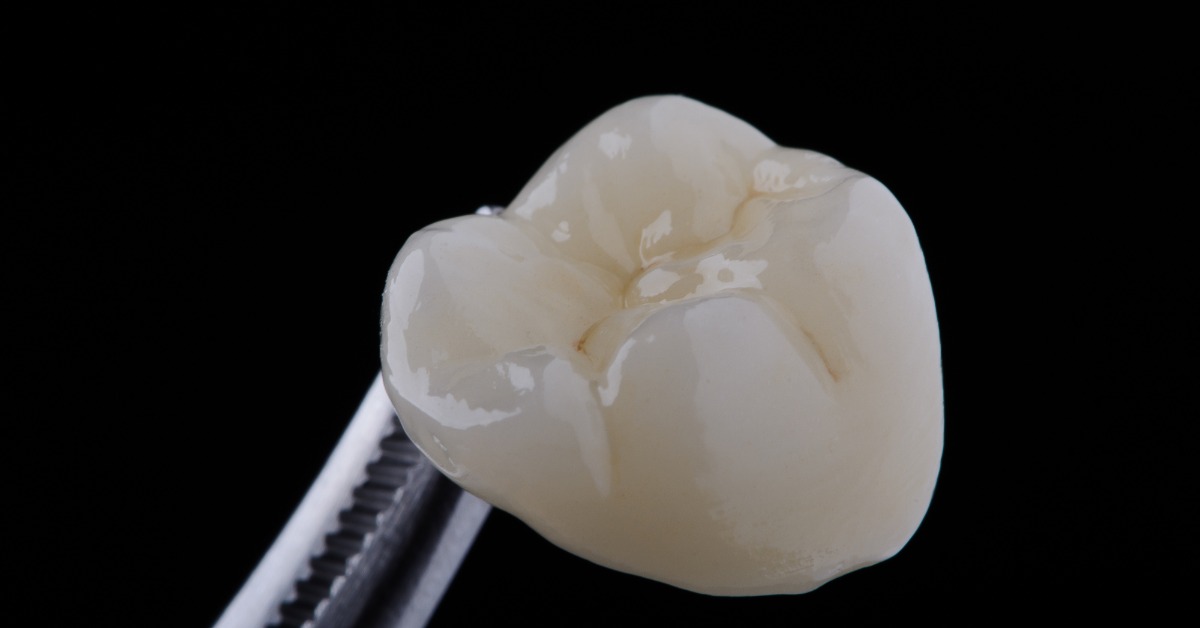
Modern dental ceramics provide the strength and stability necessary for many inlays and onlays, making them suitable for restoring damaged chewing surfaces. Their resistance to wear and chemical stability contribute to maintaining the restoration’s protective function. Ceramic materials are biocompatible and generally interact favorably with oral tissues, an appealing consideration for patients who value holistic dental care. However, material selection still depends on the tooth’s condition, bite forces, and individual treatment requirements.
Achieve an Accurate Fit With Digital Technology
A successful restoration must match the prepared tooth closely, including its margins and relationship with nearby teeth. Poor fit may leave irregular edges that collect plaque or create contact problems during chewing. Precise measurements are therefore essential when designing an inlay or onlay that maintains the integrity of the surrounding enamel.
CAD/CAM technology gives dentists a detailed digital model of the prepared tooth and its neighboring structures. Using computer-aided design software, they determine the restoration’s dimensions before a milling machine shapes it from a ceramic block.
CEREC technology brings this process into the dental office, enabling dentists to design and fabricate certain restorations in a single appointment. The resulting customized fit accommodates the remaining natural tooth structure. It limits unnecessary adjustments during placement and contributes to a stable restoration.
Restore Your Smile With Personalized Dental Care
Preserving natural teeth means choosing treatments, such as inlays and onlays, that address existing damage while respecting the remaining healthy structure. At Asheville Holistic Dentist, Dr. Pang takes a minimally invasive approach to restorative care, using CEREC technology and biocompatible ceramics to provide customized treatment. If a damaged tooth or deteriorating filling has become a concern, our team offers dental inlays and onlays as potential restoration options. Schedule an appointment to discuss the condition of the tooth and determine which treatment is the best for your smile.