
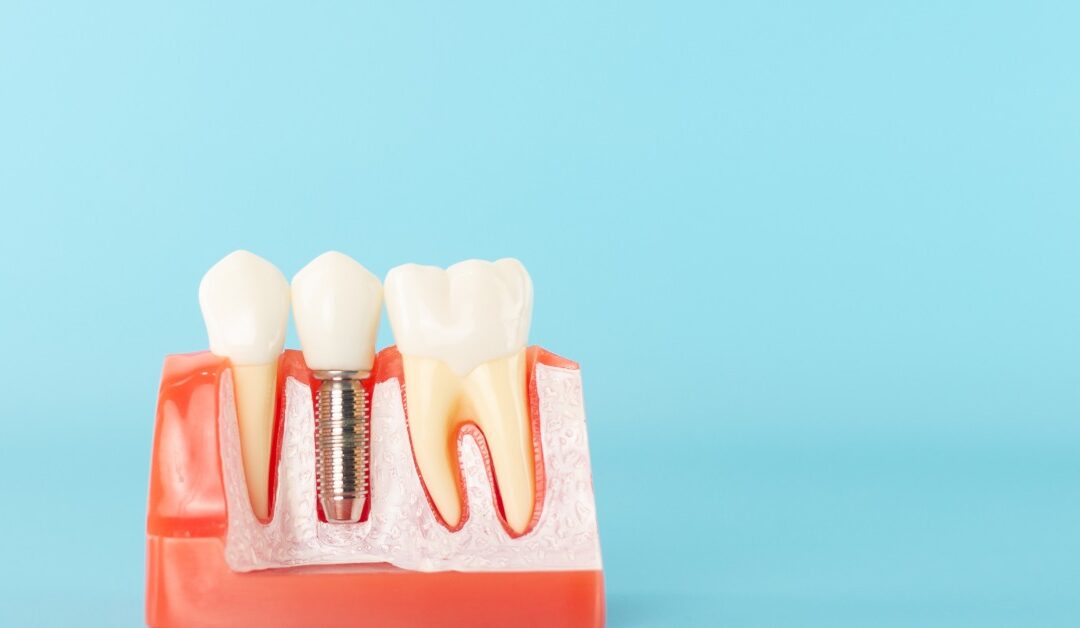
Missing teeth affect how a person chews, speaks, and maintains the alignment of surrounding teeth. Dental implants restore those functions by anchoring replacement teeth directly into the jawbone. They also stimulate the surrounding bone through chewing forces, limiting the bone loss that follows tooth extraction. Whether someone needs to replace one tooth or several, the dental implant process involves multiple stages that establish a secure foundation for the final restoration.
Initial Consultation
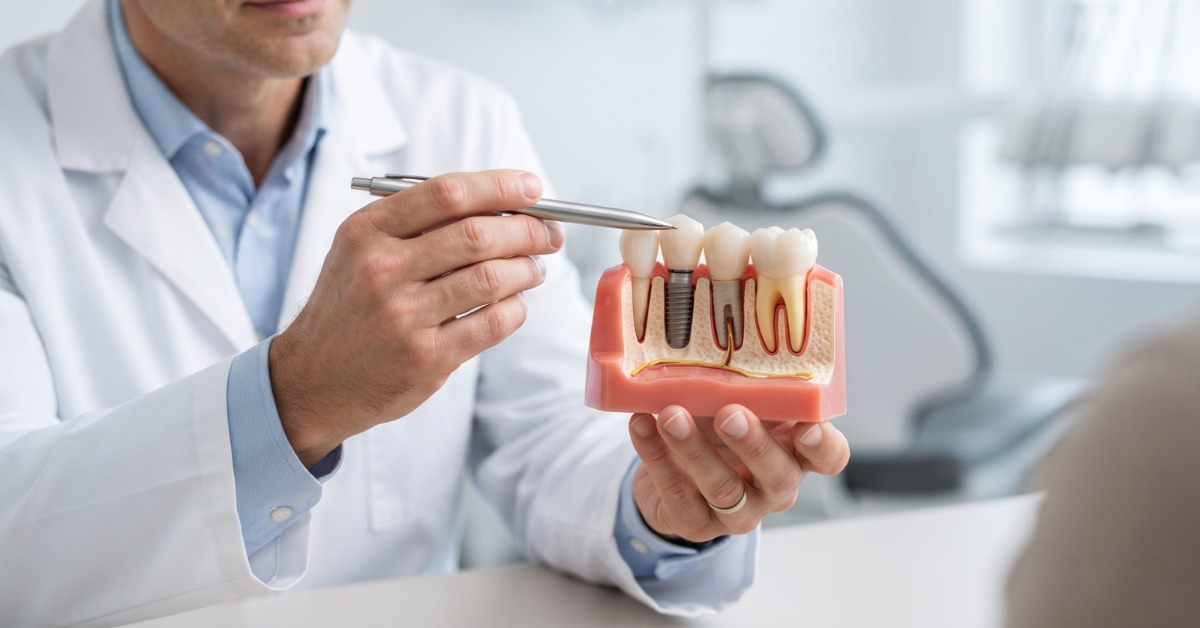
The first appointment focuses on examining the mouth and determining whether dental implants offer a suitable tooth replacement option. During the evaluation, the dentist checks the remaining teeth, gums, and jawbone to identify conditions that could interfere with implant placement. Gum disease, untreated cavities, or infections could affect healing around the implant site.
Next, the dentist will learn more about your medical history. Certain health conditions, medications, and habits, like smoking, influence how the body heals following oral surgery. Discussing these details gives the dental team a comprehensive view of the patient’s health before developing a treatment plan.
Digital Imaging and Implant Placement Planning
After the initial evaluation, the next stage involves gathering detailed images of the jaw. Digital 3D X-rays reveal the height and width of the available bone, along with the positions of nearby tooth roots, nerves, and sinus cavities. These images provide measurements that guide the placement of the implant post.
Planning involves selecting an implant diameter, length, and position that will accommodate the final restoration. The post must sit at an appropriate angle to distribute chewing pressure through the surrounding bone. For patients replacing multiple teeth, this stage also establishes how many implants will provide adequate stability across the affected area.

Preparing the Jawbone for Implant Placement
Healthy bone provides the foundation that holds a dental implant in position. When someone loses a tooth, the surrounding jawbone gradually shrinks because it no longer receives stimulation from the tooth root. If the remaining bone lacks sufficient height or thickness, bone grafting could become part of the preparation.
During bone grafting, the dentist places grafting material into the affected area to encourage new bone growth. The graft requires a healing period before implant surgery, allowing the area to develop sufficient stability. However, patients with adequate existing bone typically proceed directly to implant placement after completing their initial evaluations.
Placing the Dental Implant Into the Jawbone
Implant placement involves a surgical procedure that positions a titanium post inside the jawbone. Titanium works well because human bone can bond directly to its surface, establishing a stable connection for the restoration.
Anesthesia and Surgical Preparation
Before beginning surgery, the dental team administers local anesthesia to numb the treatment area. Patients generally remain awake throughout the procedure, although sedation options are available for individuals who experience dental anxiety.
Once the anesthesia takes effect, the dentist prepares the surgical site. The surrounding tissues must remain protected throughout the procedure to encourage healthy healing and preserve the available bone.
Positioning the Titanium Implant Post
The dentist accesses the jawbone through the gum tissue and carefully prepares a channel using specialized surgical instruments. Precise measurements guide the channel’s depth and angle, ensuring the titanium post reaches its planned position.
Next, the dentist inserts the implant into the prepared opening, where the surrounding bone provides initial stability. Depending on the surgical approach, the dentist places a protective cover over the implant and closes the gum tissue with sutures. The implant then remains in position as the surrounding tissues begin healing.
Healing and Osseointegration After Surgery
Following implant placement, patients typically experience some swelling, tenderness, and minor bleeding around the surgical site. These symptoms generally improve within several days, although recovery varies according to the extent of surgery. Soft foods and gentle oral hygiene limit irritation as the gum tissue heals.
Beneath the gums, the jawbone gradually develops a direct connection with the titanium post through a biological process called osseointegration. Bone cells grow along the implant surface, anchoring it securely within the jaw. This process typically takes several months, and the dentist monitors healing before proceeding with the final restoration.
Protecting the Implant During Healing
The implant needs stability as new bone develops around its surface. Excessive chewing pressure or movement during the early healing period could interfere with successful integration.
Patients receive postoperative instructions concerning food choices, oral hygiene, and physical activity. Follow-up appointments allow the dental team to examine the surgical site, assess gum healing, and confirm that recovery progresses appropriately.
Attaching the Abutment to the Implant
Once the implant establishes a stable connection with the jawbone, the restoration process moves to the abutment. This small connector joins the implant post to the visible replacement tooth.
Some implant systems receive an abutment during the initial surgery, whereas others involve a separate appointment after osseointegration. If the gum tissue covers the implant, the dentist gently exposes its upper portion before securing the connector. The gum tissue then heals around the abutment, forming a natural-looking contour for the final crown.
Designing and Fabricating the Replacement Tooth
The final restoration must fit the space between surrounding teeth and align with the patient’s natural bite. Digital scans or dental impressions capture the shape of the mouth, allowing the dentist to plan a crown that complements neighboring teeth.
For a single missing tooth, the restoration typically consists of a customized dental crown. Patients replacing several teeth could receive individual crowns, an implant-supported bridge, or implant-supported dentures. Each design distributes chewing forces according to the number and position of the implants.
Creating the Final Crown
Dental laboratories or digital fabrication systems use the recorded measurements to produce a restoration with appropriate proportions and contact points. Material selection also affects the crown’s appearance, durability, and ability to withstand chewing forces.
For visible teeth, the dentist considers color, translucency, and surface characteristics to achieve a natural appearance. Back teeth require careful attention to chewing pressure because they handle substantial force during meals.
Securing the Final Dental Restoration
After fabrication, the dentist places the finished crown or prosthetic onto the implant’s connecting components. Depending on the restoration design, a dental screw or cement secures the crown in position.
The dentist then examines how the replacement tooth contacts neighboring and opposing teeth. Adjustments address uneven pressure that could strain the restoration during chewing. Once the fit and bite meet the treatment goals, patients gradually return to normal eating and speaking activities.
Maintaining Dental Implants After Restoration
Although titanium implants don’t develop cavities, the surrounding gums remain vulnerable to inflammation and bacterial buildup. Daily brushing, interdental cleaning, and professional dental visits protect the tissues that maintain implant stability.
Routine examinations also allow the dentist to evaluate the restoration, bite alignment, and condition of the surrounding bone. Consistent care protects the implant’s quality for long-lasting oral function.
Schedule a Consultation Today
Replacing missing teeth involves a personalized treatment plan and sufficient healing time. Knowing what to expect from dental implants gives patients a realistic perspective on the process and the commitment involved in restoring their smile.
At Asheville Holistic Dentist, Dr. Pang provides personalized tooth replacement care through a holistic approach. If you’re considering treatment, schedule a consultation at our dental implant studio. Our team will learn more about your health and determine the next steps toward restoring your smile.