
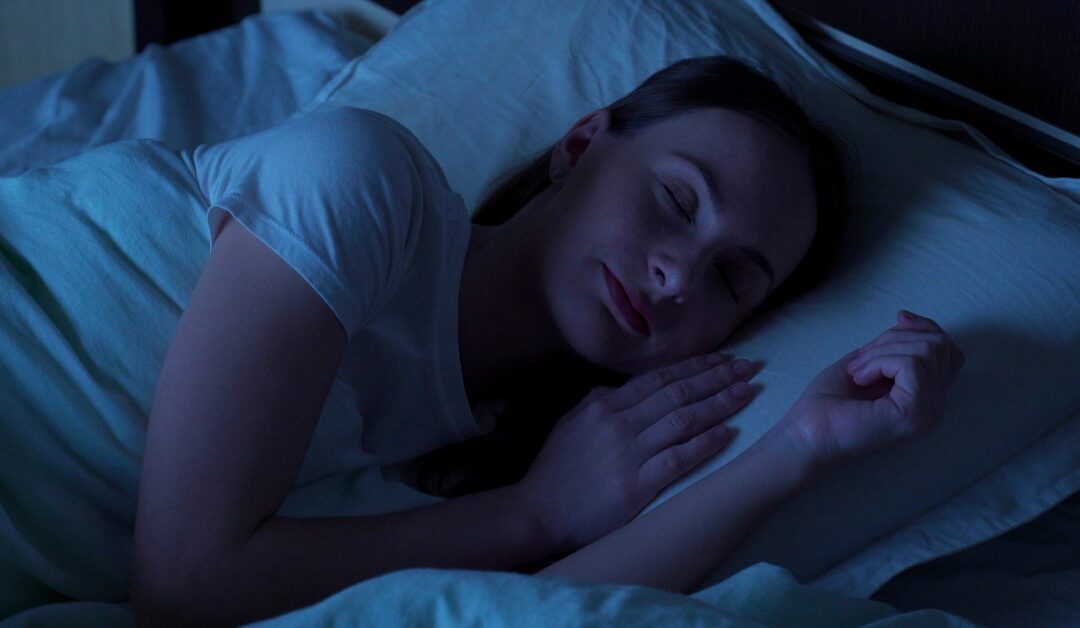
A full night in bed doesn’t always produce refreshing sleep. Snoring or repeated breathing pauses pull the brain out of deep sleep. The following day, you feel tired or incapable of concentrating on everyday tasks.
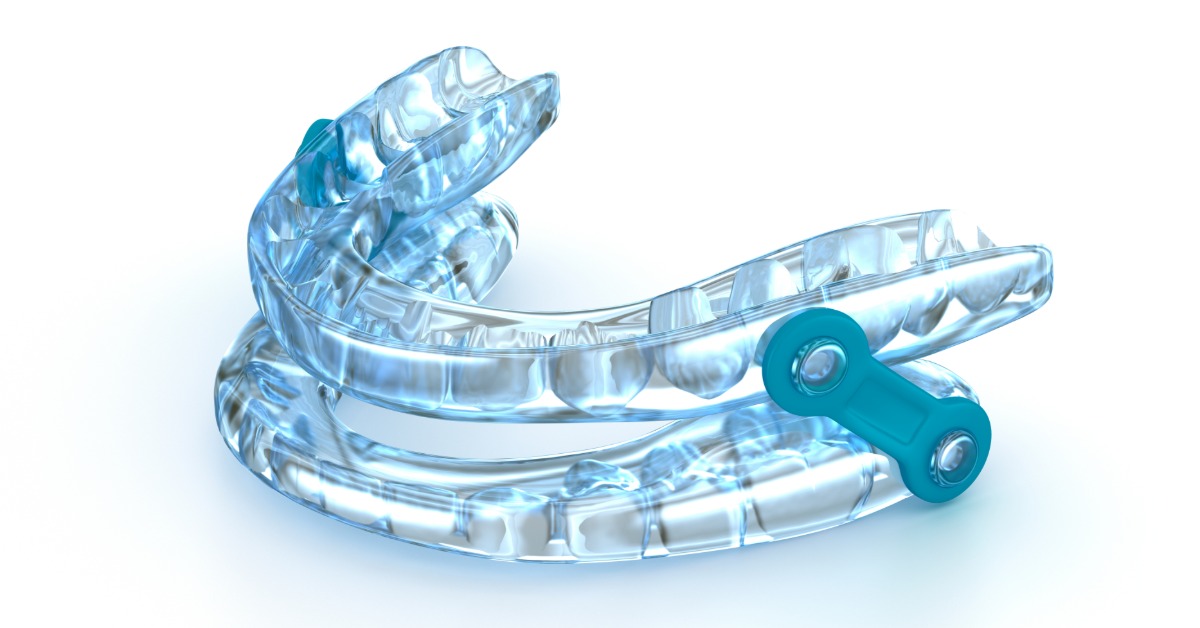
Oral appliances can help patients sleep comfortably. They fit inside the mouth and support the lower jaw during sleep. The appliance’s design targets airway position, prevents obstruction, and encourages stable breathing throughout the night.
Why Does Sleep Apnea Disrupt Rest?
Obstructive sleep apnea develops when soft tissue narrows or blocks the upper airway during sleep. Muscle tone decreases as the body relaxes. Then, the tongue and nearby tissue drift toward the throat. Air must squeeze through a narrowed passage or stop moving briefly.
The brain responds to restricted breathing with short arousals that restore airflow. These arousals interrupt the normal progression through restorative sleep stages. A person might spend eight hours in bed but receive fragmented sleep across dozens of subtle interruptions. Many people have headaches or feel exhausted throughout the day because the body didn’t obtain restorative rest.
How Oral Appliances Open the Airway
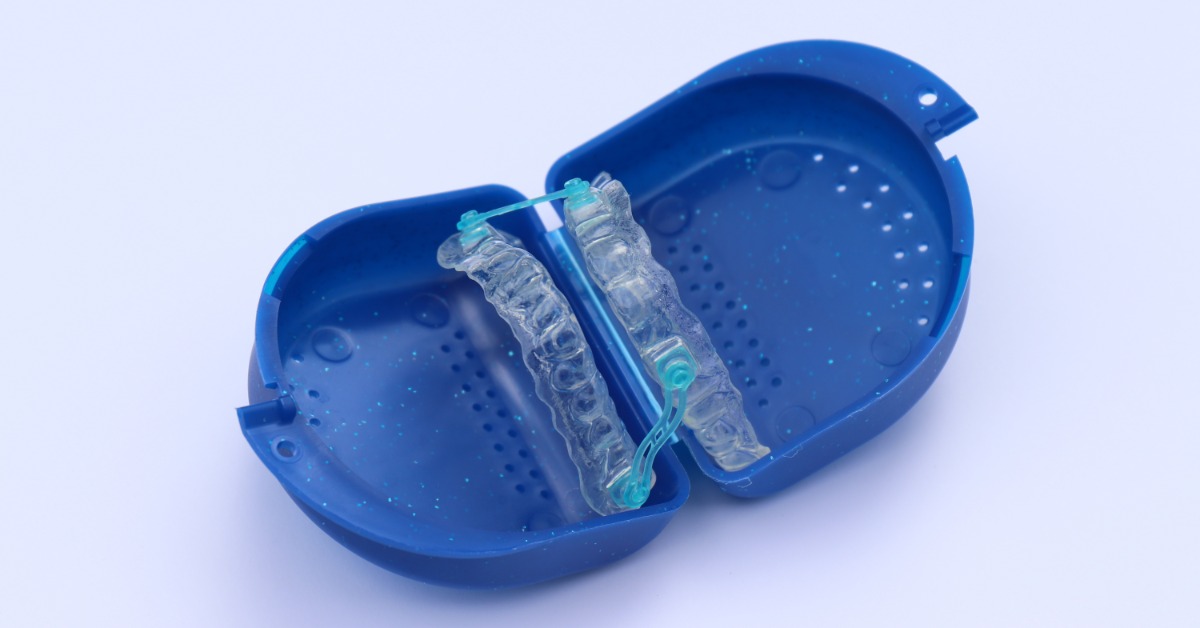
Many sleep apnea oral devices cover the upper and lower teeth like fitted retainers. The two sections connect in a position designed to limit backward jaw movement. Instead of pushing air through the throat, the appliance changes the structure surrounding the airway.
Jaw Position Changes Airflow
The lower jaw sits close to the tongue and soft tissues around the throat. Moving the jaw slightly forward increases the space behind those structures. Air is able to travel through an unrestricted passage during inhalation and exhalation. The appliance will maintain its position after the jaw muscles relax.
Tongue Support Limits Collapse
The tongue connects to structures attached to the lower jaw. Forward jaw positioning draws the tongue away from the back of the throat. This movement reduces the chance of relaxed tissue settling into the airway. A supported tongue leaves additional room for airflow during vulnerable sleep stages.
Mandibular advancement doesn’t hold every soft tissue in a fixed position. Instead, it changes the resting relationship between the jaw and tongue. The airway gains structural support and diminishes the repeated cycle of collapse and arousal.
Reduced Breathing Disruptions Support Rest
Choking, gasping, and loud snoring are deeply unsettling while sleeping. These repeated disturbances leave people feeling exhausted, foggy, or with headaches in the morning. The constant cycle of disrupted breathing and brief awakenings prevents the body from reaching and maintaining deeper, restorative sleep stages. Over time, this fragmented rest can affect both physical comfort and overall well-being.
Uninterrupted rest supports the natural cycling across the night. Each avoided arousal provides additional time within a continuous sleep stage before the next transition. A calm breathing pattern with stable airflow prevents sudden waking and restless movement across repeated sleep cycles.
Custom Design Supports Effectiveness
Unlike generic mouthguards that are loose and unstable, dentists design a custom appliance tailored to the patient’s teeth and bite. Detailed impressions or digital scans allow the dentist to create an appliance designed for the patient’s dental arch dimensions.
Precise Fit Controls Pressure
A well-fitted appliance distributes pressure evenly across multiple teeth rather than concentrating force in one area. Balanced contact prevents shifting as the sleeper moves throughout the night. The appliance’s smooth edges also reduce the risk of irritation along the cheeks and tongue.
Because the appliance matches the patient’s dental anatomy, it maintains a secure fit throughout the night. This precision also allows for targeted adjustments if any area causes discomfort, ensuring a personalized, comfortable experience.
Gradual Adjustment Refines Position
Dentists use a process called titration to gradually move the lower jaw forward in small, controlled increments. The initial setting may not provide the perfect balance between improved airflow and jaw comfort. That’s why dentists make gradual adjustments to allow the patient to adapt and steadily improve their breathing overnight.
Since airway anatomy varies from person to person, the ideal jaw position differs as well. Some patients respond well to minimal advancement, while others require additional adjustment. Customizable components make it possible to fine-tune the appliance and maintain the most effective position for each individual.
Compact Design Supports Natural Movement
Because oral appliances fit entirely inside the mouth, they allow patients to fall asleep without the distractions of external equipment. As the night goes on, shifting between sleeping positions—whether on their side or back—comes with no restrictions or adjustments.
The design also contributes to a more peaceful sleep environment. Without the hum of a machine or the sensation of airflow, many patients find it easier to stay asleep. That same simplicity carries over when traveling. The appliance is easy to bring along because it fits into a small case.
Why Are CPAP Machines Disruptive to Some Patients?
CPAP sends pressurized air through a mask to keep the airway open. It remains an effective therapy for many patients and may suit certain cases best, such as individuals with moderate to severe obstructive sleep apnea. However, the experience of using a CPAP machine is disruptive for some patients.
The mask must form a tight seal over the nose or mouth, which can feel restrictive or uncomfortable. Tubing connects the mask to the machine, occasionally pulling or shifting as the sleeper changes position. The steady flow of pressurized air may also feel unnatural, especially for patients who are sensitive to airflow or prone to dryness in the nose and throat.
Machine noise, even at low levels, could interrupt a quiet sleep environment, too. These factors can make CPAP therapy less comfortable or difficult to maintain over time, leading some patients to explore alternative treatment options.
Who Benefits From Oral Appliances?
Candidacy for a sleep apnea oral appliance depends on the diagnosis and the condition of the mouth. A qualified provider must consider tooth support, jaw function, and a patient’s whole-body health before prescribing a treatment. The following individuals may be good candidates for an oral appliance.
- Individuals with mild to moderate obstructive sleep apnea
- Patients who struggle to use a CPAP mask
- Patients who have the proper gum health and bite alignment to accommodate the device
- Patients with adequate jaw mobility
Personalized Care Supports Restful Sleep
Oral appliances can help patients sleep more comfortably by enhancing airflow throughout the night. To determine if this treatment plan is right for you, contact Asheville Holistic Dentist for a sleep evaluation.
This process determines whether the teeth and jaw have enough support for a custom sleep apnea oral appliance. Schedule a visit to get an at-home sleep apnea test and find the treatment that will improve your quality of sleep.