
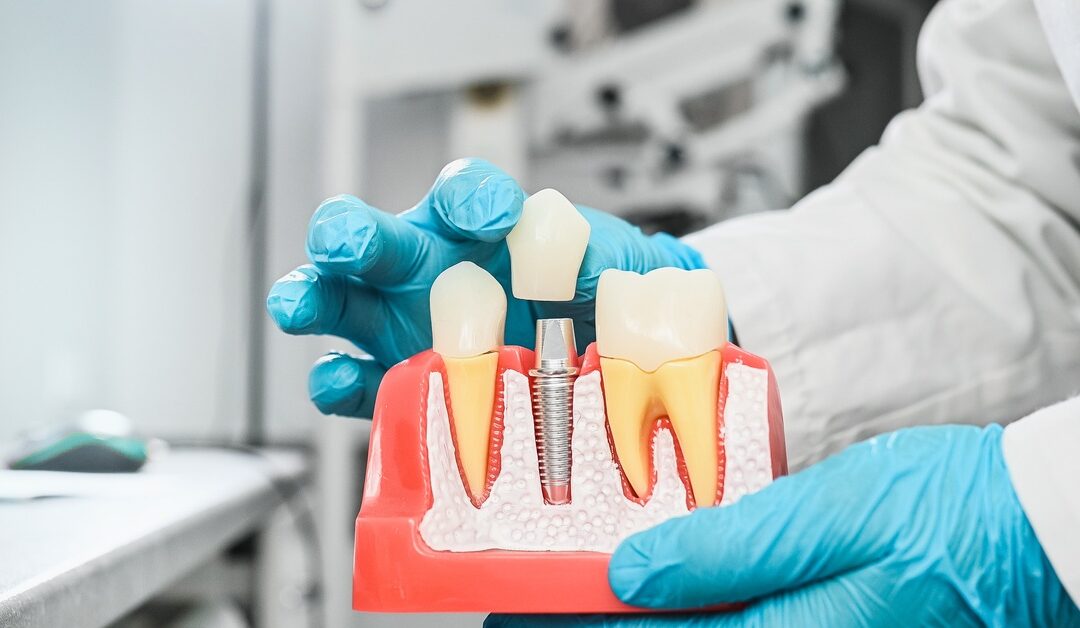
Dental implants replace missing tooth roots with small posts placed in the jawbone. Once the implant heals with the surrounding bone, a dentist attaches a crown or another restoration above it. The result restores the tooth’s shape and eases daily functions.
Still, implants aren’t suitable for every patient. A healthy smile needs enough bone support and stable gum tissue before a dentist can recommend implants. Before treatment begins, a dentist studies the mouth and decides whether someone is a good candidate for dental implants.
You Have Missing Teeth
A missing tooth changes much more than the appearance of a smile. The gap alters chewing patterns and shifts pressure onto the nearby teeth. Over time, excess pressure makes eating uncomfortable and painful.
Implants work best for patients who want to replace one tooth or several teeth. A single implant holds one crown, while several implants can support a bridge or denture when tooth loss affects a large area.
The location of the missing tooth shapes the treatment plan. Front teeth need careful placement because the crown must blend with the smile. The dentist must match the color and shape so the restoration looks natural. Even small differences will stand out when a person speaks or smiles.
The back teeth must have substantial support because molars handle the force of chewing. The dentist may use a wide implant or place more than one implant to distribute the pressure evenly.
Your Gums Are Healthy
An implant is frequently successful when the patient has healthy gum tissue. The gums frame the implant crown and protect the bone underneath. If you have inflamed tissue, the environment becomes difficult to manage.
A dentist will check the color and texture of the gum tissue around the planned implant site. Bleeding or swelling signals active irritation, and deep pockets show that bacteria have damaged the support around nearby teeth.
Patients with healthy gums are usually in a stronger position for implant treatment. Still, gum inflammation doesn’t always rule out this option. A dentist may recommend periodontal care first so the tissue can support the implant site in the future.
Your Jawbone Has Ample Support
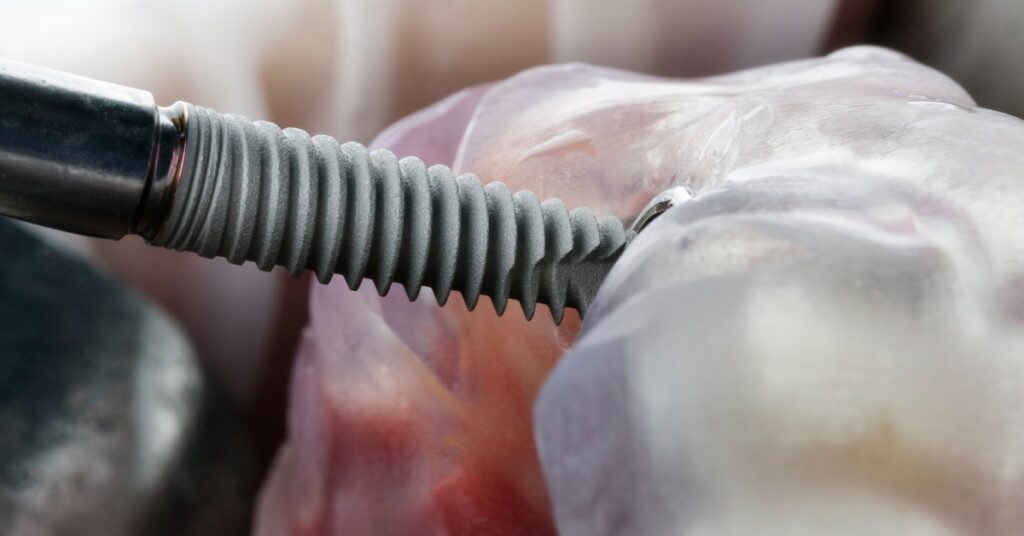
Solid bone is essential for dental implant treatment because the post sits inside the jaw. The dentist places the implant post into a carefully prepared space within the jawbone, so it functions like an artificial tooth root.
During the healing process, the bone bonds with the implant surface through osseointegration. This helps anchor the post securely in place, giving the restoration the strength it needs to withstand everyday chewing.
Some patients lose bone after teeth have been missing for a long time. Others lose support after gum disease.
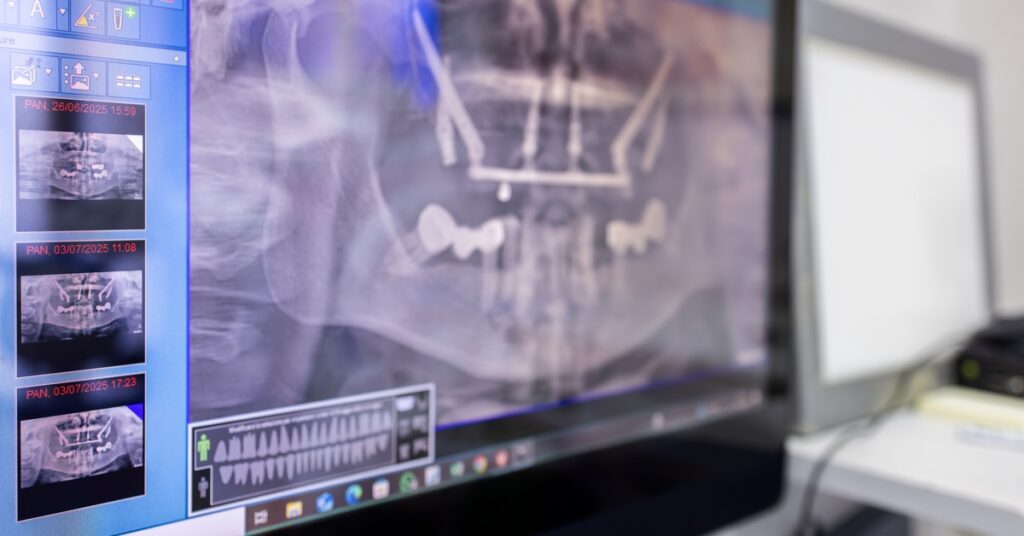
A dentist reviews bone height and bone width before recommending placement. Three-dimensional imaging can show the ridge shape from several angles. Those measurements help the dentist choose an implant size that fits the available space.
Your Overall Health Supports Healing
Implant treatment depends on the body’s ability to heal around the post. Good general health supports bone integration and gum recovery. Certain medical conditions—such as uncontrolled diabetes or autoimmune disorders—may affect how the mouth responds after the surgery.
A dentist will review the patient’s health history before moving ahead. Medications and chronic health concerns, like osteoporosis or heart disease, could influence the treatment plan. The dentist’s goal is to understand risk before a patient commits to implant placement.
Patients who heal well after dental procedures often have a favorable foundation for implants. Even when health concerns are present, dentists want to protect the patient. A careful plan is necessary to reduce complications and improve comfort during each stage.
Gum Disease Is Under Control
Implants need a clean and stable environment. Healthy tissue helps protect the post after the crown or denture attaches. Past gum disease doesn’t automatically prevent dental implant treatment. However, active gum disease needs attention first. The same bacteria that damages the natural teeth will threaten the tissue around the new implant.
During the evaluation, the dentist will look for bone loss and active infection. If needed, they’ll address gum disease through deep cleanings or periodontal therapy. The dentist can reassess the area once the disease stabilizes.
Your Bite Has Enough Space
Dental implants support restorations that must fit into the bite. The planned restoration needs room above the gumline. Limited space can make the restoration bulky or difficult to clean.
A dentist studies how the upper and lower teeth meet. Grinding habits can reduce vertical room and stress the future implant crown. In addition, crowded teeth can create placement challenges near the empty space.
When teeth overlap or shift out of alignment, they limit access to the implant site. Crowding may force the dentist to adjust the implant position, which will affect how the final crown fits within the bite. As a result, the restoration may not align properly with surrounding teeth.
Crowded teeth can also trap plaque and make daily cleaning more difficult. Over time, this buildup irritates the gums and increases the risk of inflammation around the implant. Healthy tissue is essential for long-term implant success, making it necessary to address these risks first.
Enough bite space helps the dentist design a restoration that feels natural. Proper clearance also supports chewing function after healing. In some cases, the dentist may recommend orthodontic treatment or reshaping before implant placement begins.
You Want Stable Chewing Support
Many patients consider implants because removable appliances don’t meet their daily needs. A stable replacement reduces movement in the mouth that people notice with traditional dentures.
Implants can support a single crown or a larger restoration. Each design uses the jawbone for support instead of resting only on the gums. That foundation can improve comfort during meals and conversation.
You Commit to Good Daily Hygiene
Implants don’t get cavities because the post and crown aren’t natural tooth structure. The surrounding gum tissue still needs careful cleaning every day. Plaque can collect around the crown edge and irritate the tissue.
The ideal candidate understands that implants require consistent home care. Brushing around the restoration and cleaning between teeth protect the gumline. Additionally, routine dental exams give the professionals a chance to monitor bone and tissue health.
A commitment to oral hygiene becomes especially important with implant-supported dentures or full-arch restorations. Small spaces around attachments can trap debris. With regular care, the restoration will function properly.
The Next Step: Schedule a Consultation
Dental implants are beneficial for restoring people’s smiles. To find out if you’re a good candidate for dental implants, schedule a consultation with Dr. Peter Pang.
The exam for Asheville dental implants will review your gum health, bone support, and overall wellness. Afterward, our team will create a personalized treatment plan based on your current health and future goals.