
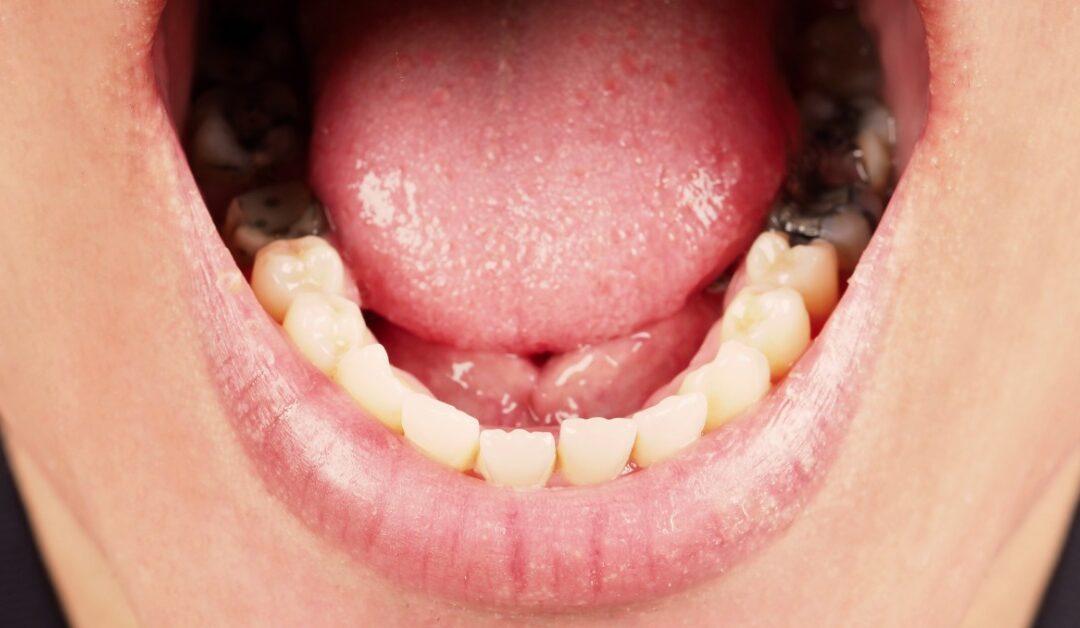
Old silver fillings were once the standard fix for cavities, so many adults still have them years or even decades later. Over time, those restorations wear down, loosen at the edges, and stress the surrounding tooth.
Patients who value a whole-body approach to dental care may wonder what all of the benefits of replacing old amalgam fillings are. From biocompatibility to improved aesthetics, find out why removing amalgam fillings is a good idea.
What Amalgam Fillings Are Made Of
Dental amalgam is a metal filling material used to repair cavities. It contains mercury, silver, tin, and copper. The Food and Drug Administration (FDA) states that dental amalgam fillings are approximately 50 percent mercury by weight. Although the ingredients gave amalgam a reputation for strength, they produce a metallic look.
Many patients know amalgam as a silver filling, though the material itself is far more complex than its color suggests. Once placed, it hardens into a durable material. However, aging changes its behavior. A filling placed several years ago may not serve the tooth in the same way after everyday chewing, grinding, and temperature changes.
Why Old Fillings Become a Problem
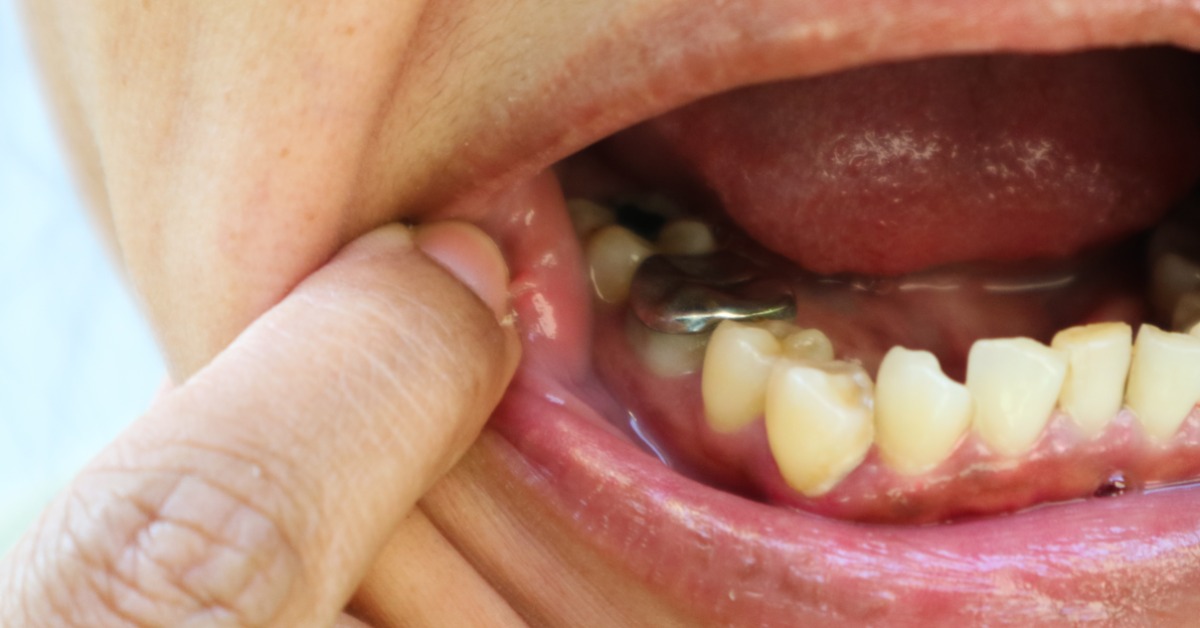
An old amalgam filling doesn’t simply sit in place forever without change. Small gaps may form along the edges, and cracks damage the enamel.
A filling that no longer fits doesn’t provide the support the tooth needs. Over the years, expansion and contraction crack the remaining enamel. Based on your previous dentist, they might have wedged the silver filling into the tooth in a manner that created a wide base under the surface. Some patients will complain about a sharp twinge while chewing or a rough spot around the filling.
A restoration should protect the tooth and make the patient feel comfortable. Once the filling doesn’t do its job, it’s time to find a better solution.
The Benefits of Replacing Old Amalgam Fillings
Replacing a worn amalgam filling is not just a cosmetic upgrade. Making the switch gives the tooth a chance to regain support, gain a tight seal, and eliminate the metal from the body.
Preserves Tooth Structure
Structural support is the primary benefit for the teeth. Modern restorative materials—such as composite resin, porcelain inlays, porcelain onlays, and crowns—give holistic dentists ways to rebuild damaged teeth based on the size and shape of the space left behind.
This point is especially important with large, old silver fillings. When the remaining tooth walls have thinned out, a carefully chosen restoration can preserve natural tooth structure, strengthen weakened teeth, reduce future damage, and improve function. At Asheville Holistic Dentist, Dr. Peter K. Pang will use the best biocompatible restoration method to rebuild the tooth and establish a strong fit for everyday use.
Mitigates Mercury Exposure
Patients who ask about old amalgam fillings usually want straight answers about mercury. The FDA states that dental amalgams may release small amounts of mercury vapor, and exposure may rise for a short time during placement or removal.
For a patient with an aging, failing, or damaged silver filling, replacement may remove a deteriorating restoration from the mouth while addressing the tooth beneath it. The treatment addresses decay, cracks, and the patient’s health preferences.
Improved Biocompatibility
Patients should have a say in their health care. Biocompatibility is how well a material works with the body. This is one reason many patients move away from older metal fillings. They want a restoration plan built around tissue response, material selection, smile appearance, and long-range comfort.
The goal of Asheville Holistic Dentist is to provide biocompatible materials that match the patient’s body and health goals. Our practice offers BPA-free white resin for smaller spaces and porcelain restorations for large areas. A health-focused practice can review those concerns in a calm, practical way without pushing a one-size-fits-all answer.
Reduces Inflammation Triggers
A damaged filling may trap bacteria, irritate the surrounding tooth, and make the area difficult to clean. When an old restoration leaks or breaks down, replacing it may help remove a chronic source of irritation inside the tooth.
Removing a worn restoration, treating any decay, sealing the area properly, and rebuilding the tooth with a compatible material support a healthy oral environment. For patients already trying to lower avoidable stress on the body, this step complements overall wellness goals.
Aesthetic Improvements
The aesthetic change is immediate and easy to appreciate when patients say goodbye to amalgam fillings. Tooth-colored materials blend with natural enamel instead of flashing silver when a person laughs, speaks, or opens wide as they bite into food. Resin composite and porcelain are options that match the tooth’s natural shade.
Fit plays a major role. Porcelain inlays and onlays fit into existing tooth structure like a puzzle piece, while dentists shape and polish the bonding materials to produce a natural finish. The result’s clean, subtle appearance complements the entire smile.
Signs It’s Time To Replace a Filling
Not every silver filling needs immediate removal, but several signs deserve attention. Sensitivity, pain when chewing, visible cracks, dark edges, and rough margins all point to a filling that may need a closer look.
Many patients dismiss changes until the strain becomes impossible to ignore. A proper exam will separate a harmless ache from a failing restoration. The dentist will identify hidden decay, enamel damage, fractured cusps, or a broken filling seal.
How Dentists Remove Amalgam Safely
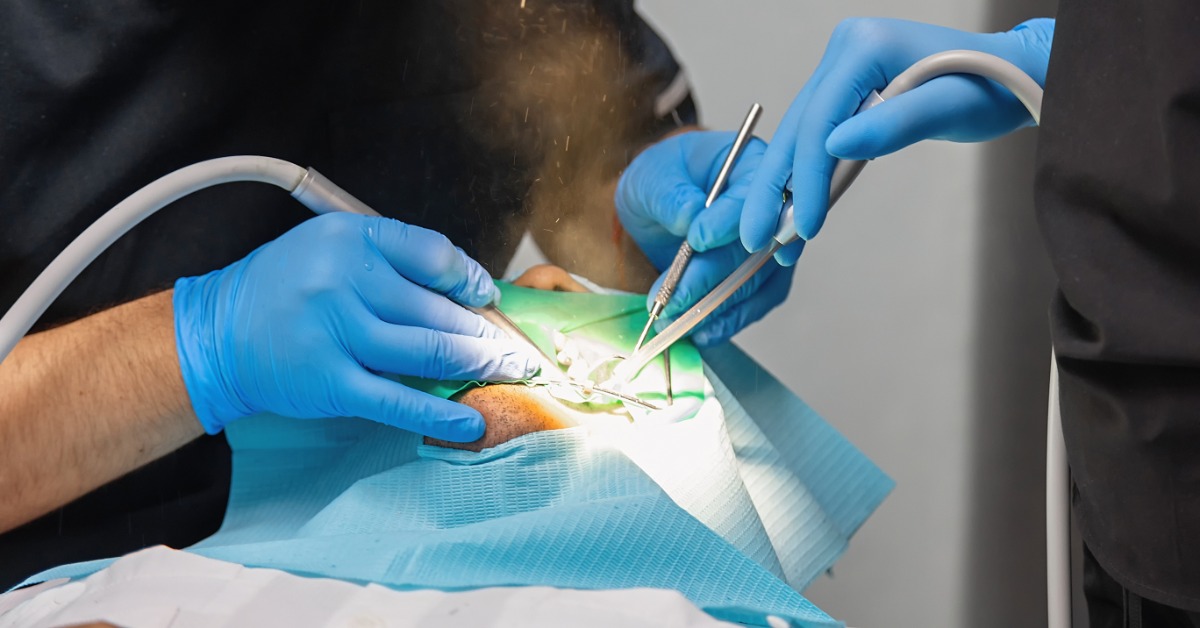
Safe removal is a major part of the conversation because removal itself can release mercury vapor and particulate matter. The International Academy of Oral Medicine and Toxicology (IAOMT) uses the term Safe Mercury Amalgam Removal Technique (SMART) for its recommended protocol. The approach includes measures such as an amalgam separator, high-volume air filtration, copious water, high-speed evacuation, and sectioning the filling into large pieces instead of grinding it away.
Asheville Holistic Dentist is SMART certified. When you come in for an amalgam removal appointment, our team members use items such as face shields, non-latex dental dams, charcoal and chlorella rinses, and specialized suction equipment. The amalgam separators and hazardous waste disposal reduce environmental release, as well.
A Holistic Approach to Dentistry
Silver fillings deserve careful attention when they start to break down. If thebenefits of replacing old amalgam fillings sound appealing, it’s time to find the right dentist for the task. Dr. Peter K. Pang offers holistic amalgam filling removal in Asheville, NC. You’ll receive thoughtful, patient-centered care and a custom solution that suits your health preferences.
Our goal is to give patients the best care possible. Call our practice today to make an appointment and strengthen your smile.