
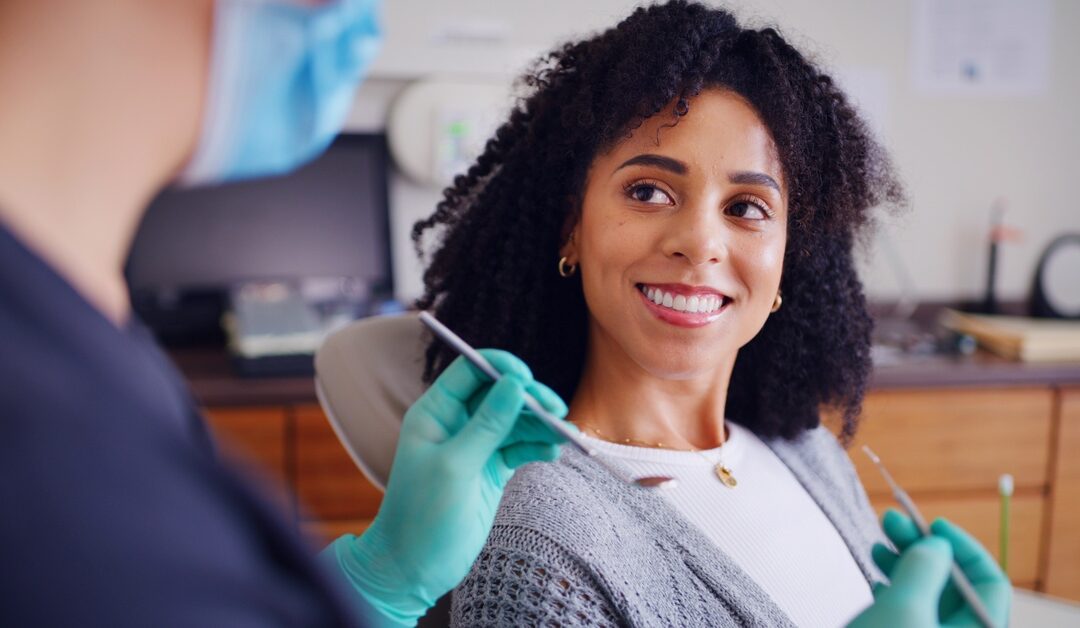
Holistic dentistry approaches care with the understanding that oral health connects with overall wellness. Dentists who follow this philosophy consider oral disease alongside health history and personal wellness priorities. Many patients value boutique settings where conversations receive individual attention. Together, these qualities explain why patients choose boutique holistic dental practices when they want care shaped around oral health and overall wellness goals.
Whole-Body Health Shapes Dental Decisions
In many cases, oral symptoms relate back to habits or health conditions outside the teeth and gums. A holistic dentist could ask about sleep quality or nutrition when those details relate to a dental concern. Other discussions address dry mouth or jaw tension based on symptoms. These conversations provide context around symptoms instead of treating each complaint as an isolated event. Patients gain a detailed understanding of factors connected with oral wellness.
Someone with jaw soreness could benefit from a discussion about clenching or sleep patterns before choosing a dental solution. A patient with dry mouth could discuss hydration or medication effects alongside cavity prevention. These conversations keep dental care connected to overall health priorities without assuming one cause explains every symptom.
Biocompatible Materials Reflect Health Preferences
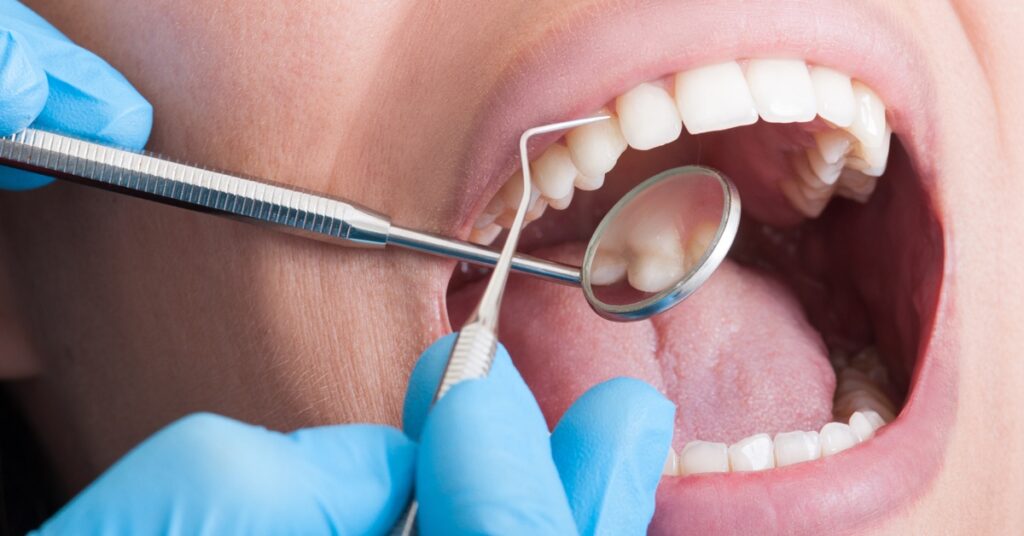
Biocompatibility describes how well a material interacts with the body. Since dental restorations remain in close contact with teeth and surrounding oral tissues, it’s important for dentists to use strong materials that won’t cause adverse effects.
Patients attentive to material composition gain useful transparency from these discussions before treatment. The goal is to select a restoration suited to the clinical situation and individual preferences.
Material conversations address composition and durability. Dentists explain how placement location or possible sensitivities affect selection. Holistic dentists may suggest the use of resin or ceramic options based on how much tooth structure requires restoration. Patients will have a full understanding of the materials going inside their mouths, making them feel at ease about the treatment’s alignment with their health goals.
BPA-Free Resin
Bisphenol A (BPA) is an industrial chemical used in certain plastics and resins. For patients who want to stay away from this material, BPA-free white resin is available in many holistic dental practices. It restores small areas of tooth damage and blends with natural enamel. Dentists bond the material directly to the prepared structure, so the restoration fits the cavity shape.
Ceramic Restorations
Ceramic materials, like porcelain, provide a metal-free option to cavity fillings. Unlike metal fillings, ceramics closely resemble the natural translucency and color of tooth enamel for a natural appearance.
A holistic dental practice typically avoids the use of metal fillings because of the potential health concerns associated with mercury exposure. Therefore, ceramics are a valuable alternative for many patients.
SMART Protocols Address Amalgam Concerns
Some patients seek holistic dentists because they want to address their current amalgam restorations. Each filling has its own condition and clinical history. Common concerns center on mercury exposure or a personal preference to replace existing silver fillings with another material.
When a patient chooses removal, SMART protocols are valuable for a protected procedure. SMART, or Safe Mercury Amalgam Removal Technique, comes from the International Academy of Oral Medicine and Toxicology (IAOMT). The protocol focuses on limiting exposure to particles and vapor throughout treatment. Specialized training appeals to patients who value additional safeguards in a holistic practice.
Specialized Preventative Measures Protect the Patient
SMART removal uses several protective measures throughout the appointment. High-volume evacuation, face coverings, tooth isolation, and water irrigation are some of the safeguards the dental team implements to ensure the patient isn’t exposed to mercury vapor or particles. The controlled process is a safe way to remove the metal filling and replace it with a BPA-free resin or ceramic filling instead, better aligning with the patient’s wellness goals.
Ozone Supports Holistic Microbial Management
Ozone therapy introduces a treatment method found in some holistic dental practices. Specialized equipment converts medical-grade oxygen into ozone before a dental professional applies it to selected areas. Ozone has antimicrobial properties that support certain preventive or restorative applications. Its purpose depends on the procedure and condition under treatment.
Some practices incorporate ozonated water or ozone gas into cleanings. This option appeals to patients interested in wellness-focused care and microbial management. While ozone therapy isn’t a substitute for routine oral care, it’s a resource to enhance the treatment quality dentists can provide.
Minimally Invasive Technology Preserves Healthy Tissue
Minimally invasive dentistry aims to retain healthy oral structures whenever the clinical situation permits. Holistic practices often support this goal through technology that improves visualization or targets a treatment area with precision. Patients who value conservative care benefit from learning how much healthy enamel or soft tissue the dentist expects to preserve.
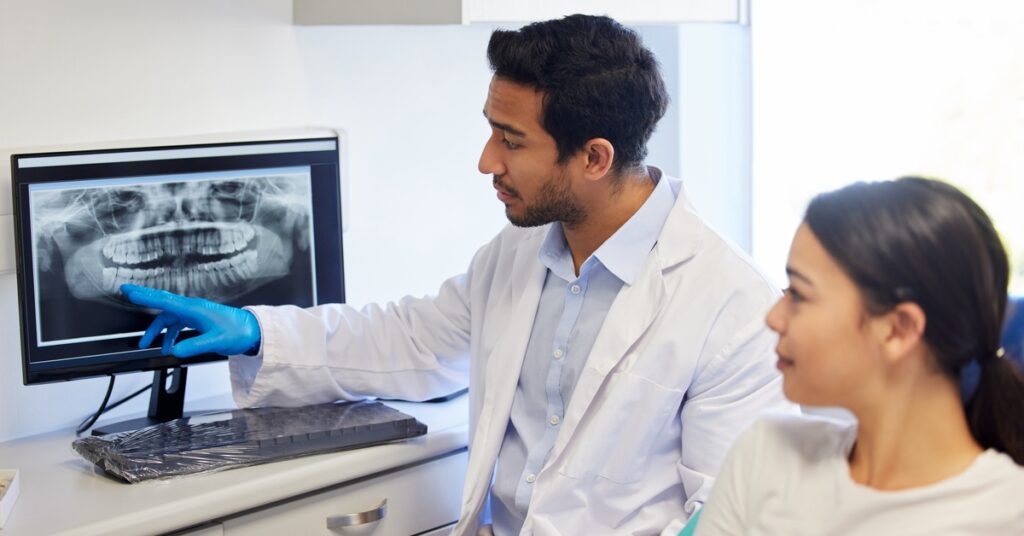
Detailed imaging reveals bone structure and tooth anatomy beyond a standard visual exam. Hidden areas become visible before treatment. Digital restorative systems guide the design of crowns and other restorations through precise measurements. These tools support an approach centered on accuracy and preservation.
Lasers Target Dental Tissues
Dental lasers target selected hard or soft tissues with controlled energy. Depending on the laser and procedure, the dentist targets gum tissue or certain areas of decay with limited disruption around the site. This degree of selectivity appeals to patients who prefer minimally invasive techniques. Laser technology fits naturally within a holistic philosophy centered on preserving healthy structure.
Digital Planning Improves Treatment Precision
Digital 3D imaging provides detailed views of teeth and roots. Bone and nearby anatomy appear in the same scan. Dentists use the images to evaluate implant sites or plan complex restorative care with a precise understanding of the treatment area.
CAD/CAM systems add another digital step by shaping restorations from detailed scans. These computer-aided design and manufacturing tools allow dentists to design crowns, inlays, and onlays digitally and mill them with high precision. In many cases, the dental team is able to create the restorations in-office. Together, 3D imaging and CAD/CAM technologies support planning grounded in precise measurements.
Choose a Dental Practice That Suits Your Health Priorities
Asheville Holistic Dentist brings these principles into a patient-focused practice. Patients interested in cosmetic dentistry in Asheville, NC, routine cleanings, or cavity fillings will find a supportive staff at our practice.
Individuals are welcome to ask why a material suits a certain tooth or how technology changes the treatment process. They can discuss alternatives and understand the reasoning behind a recommendation. With our collaborative, skilled team, patients will find a holistic dental practice that’s ready to accommodate each patient’s wellness goals and health preferences.