

Routine teeth cleanings, cavity fillings, and dental reconstruction are procedures that people may need throughout their lives. The key is to find a provider that’s ready to offer their support no matter the dental treatment.
Traditional dentistry focuses on diagnosing oral disease, repairing damaged teeth, and routine care. Holistic dentistry addresses many of those same concerns through a wide view of the body. The differences between holistic and traditional dentistry come down to philosophy and personal health goals. Both approaches support oral health, so the right choice depends on the type of care each patient values.
How Both Approaches Support Oral Health
Patients might assume that traditional and holistic dentistry have opposite goals. In reality, both approaches work to solve a patient’s specific oral health problems. They care about providing healthy teeth and stable gums. The distinction comes from how each provider evaluates risk and selects materials.
Dentists Treat Active Problems
Cavities, cracked teeth, gum inflammation, missing teeth, and worn restorations all deserve attention to improve the smile’s appearance and function. Traditional dentists diagnose these issues and recommend treatment based on the mouth’s condition.
Holistic dentists take the same immediate dental issue seriously while considering related patterns. For example, they might evaluate if the patient grinds their teeth at night or has substantial jaw tension before moving forward with the treatment.
Prevention Guides Daily Care
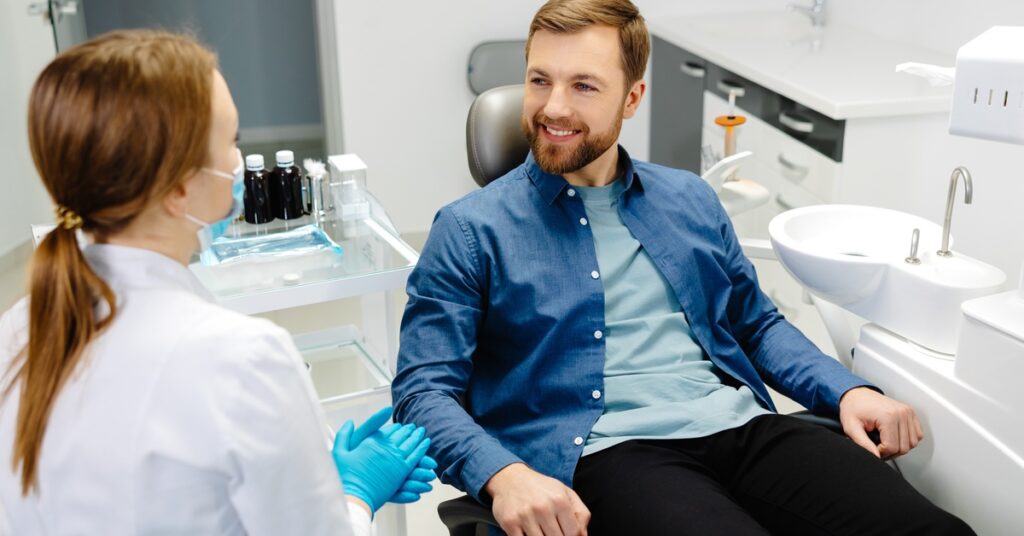
Both dental approaches value prevention because small concerns can grow into complex dental issues. Exams give the dentist a chance to spot early decay or failing restorations before symptoms worsen. Consistent cleanings are necessary for removing plaque and tartar before buildup irritates the gums.
Holistic dentistry often expands prevention beyond recommending brushing and flossing habits. The dentist might discuss nutrition, inflammation, dry mouth, or clenching during the visit to identify the root cause of each issue and choose the appropriate treatment.
How Holistic and Traditional Dentistry Differ
The biggest differences appear in treatment philosophy. Traditional dentistry generally centers on the mouth as the primary treatment site. Holistic dentistry views the mouth as part of a larger system. That system interacts with inflammation and sleep. It can also connect with nutrition and overall wellness.
That difference affects the questions the dentist asks during an appointment or influences material selection and technology use. The added focus comes from evaluating how care fits the patient’s health priorities.
Whole-Body Health Guides Care
Holistic dentistry looks beyond the teeth and gums to understand how oral health connects with the entire body. When a dentist notices gum inflammation, for example, the conversation may expand to include possible links to systemic inflammation. Symptoms like dry mouth can lead to discussions about hydration levels or medication side effects. Similarly, jaw soreness might prompt an evaluation of clenching habits or TMJ strain.
With a broad perspective, patients gain a full understanding of why certain symptoms develop and persist. Rather than focusing only on immediate fixes, holistic care encourages meaningful conversations about underlying causes. The goal is to sustain oral wellness through treatments that address complications beyond the mouth.
Biocompatibility Shapes Material Choices
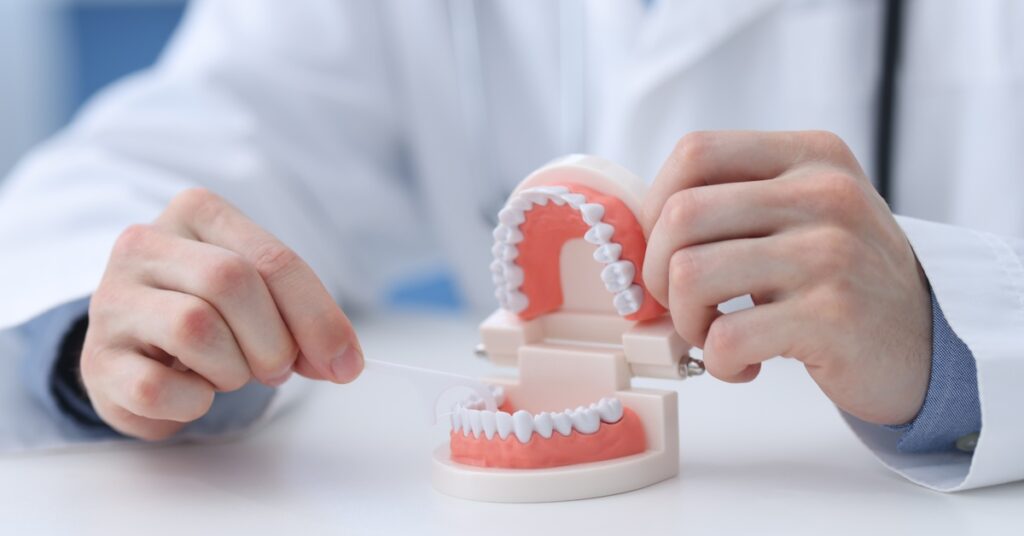
Dental fillings and implants must withstand chewing, teeth grinding, and temperature fluctuations while remaining in close contact with saliva and oral tissues. Because of this ongoing interaction, holistic dentists carefully evaluate each material they use.
Biocompatibility doesn’t mean there’s a single ideal option for every patient. Instead, it involves selecting materials that align with each patient’s specific needs and preferences.
BPA-Free White Resin
For small cavity fillings, BPA-free white resin is a common choice that bonds directly to the tooth structure to preserve as much of the natural tooth as possible. Since bisphenol A is a synthetic compound, some patients may want to limit exposure to such materials. BPA-free white resin is a favorable option for patients who want a biocompatible material that will restore the tooth’s structure.
Porcelain
When large areas need support, porcelain inlays or onlays provide added strength and durability. Porcelain is biocompatible because it’s chemically stable, nonreactive with oral tissues, and free from metals or compounds that can trigger sensitivities. The material closely mimics the natural appearance and function of tooth enamel, making it a reliable choice for long-term oral wellness.
Advanced Technology Supports Precise Treatment
Dentists must gather detailed information before making treatment decisions. By leveraging modern technology, holistic dentists conduct an efficient, precise approach to treatments.
- Digital 3D X-rays reveal difficult-to-view areas, giving dentists a full understanding of the patient’s oral health.
- CAD/CAM systems enable precise digital planning for crowns and veneers.
- Laser dentistry allows for targeted treatment of tissues during procedures such as gum contouring, periodontal therapy, cavity removal, and soft tissue lesion treatment.
- Ozone therapy uses medical-grade oxygen that’s transformed by a generator into ozone to eliminate harmful bacteria in the mouth.
At the same time, patients benefit from seeing images and scans that make findings easy to understand. The outcome is patients who feel informed and confident in their care.
Amalgam Removal Uses Precautions
Mercury amalgam fillings represent one area where holistic dentistry has a distinct process. Some patients want to remove old silver fillings because they worry about the potential health risks of mercury particles or vapor entering the body.
A holistic dentist addresses amalgam removal seriously. Asheville Holistic Dentist uses SMART-certified protocols through IAOMT training to isolate the tooth and prevent particles and vapor exposure. With extensive precautions—including suction, water irrigation, filtration, and protective barriers—SMART-certified dentists can provide patients with safe amalgam removal and replace them with biocompatible materials.
Choose Care Based on Your Personal Health Goals
The choice between holistic and traditional dentistry reflects what a patient prioritizes because their differences lie in the approach to treatment. Both options support oral health when the dentist communicates clearly and provides quality care. Traditional dentistry centers on oral diagnosis and repair, while holistic dentistry adds a whole-body perspective through biocompatible materials and advanced technology.
Patients deserve a dentist in Asheville, NC, who validates their concerns and supports their long-term health goals. Asheville Holistic Dentist is a team of holistic healthcare professionals who focus on prevention and restorative care. Call today to learn more about our patient-centered approach and personalized treatment plans.