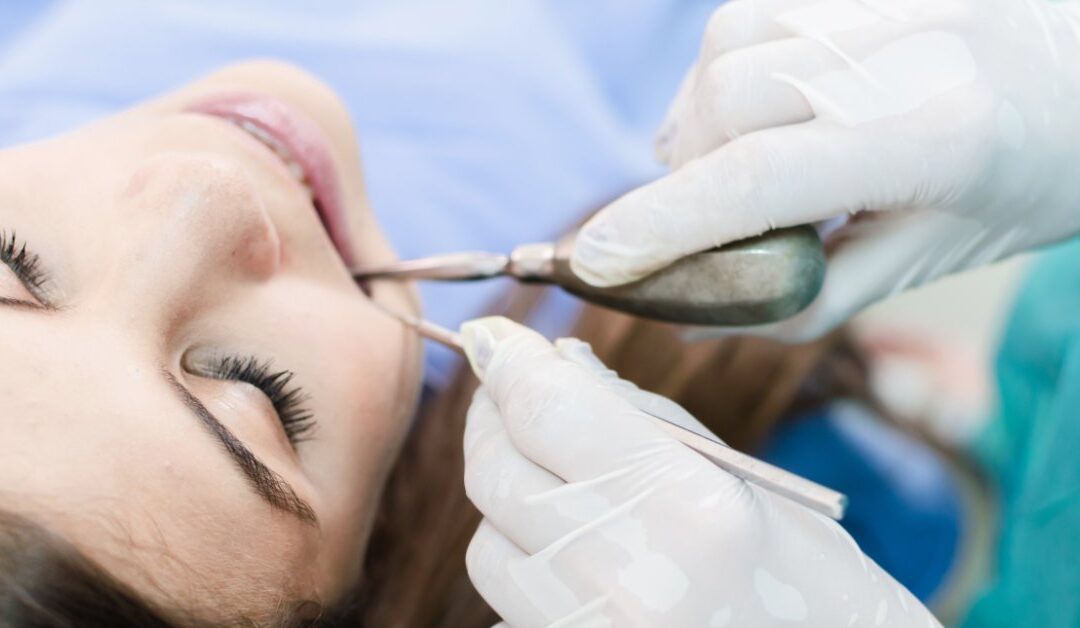
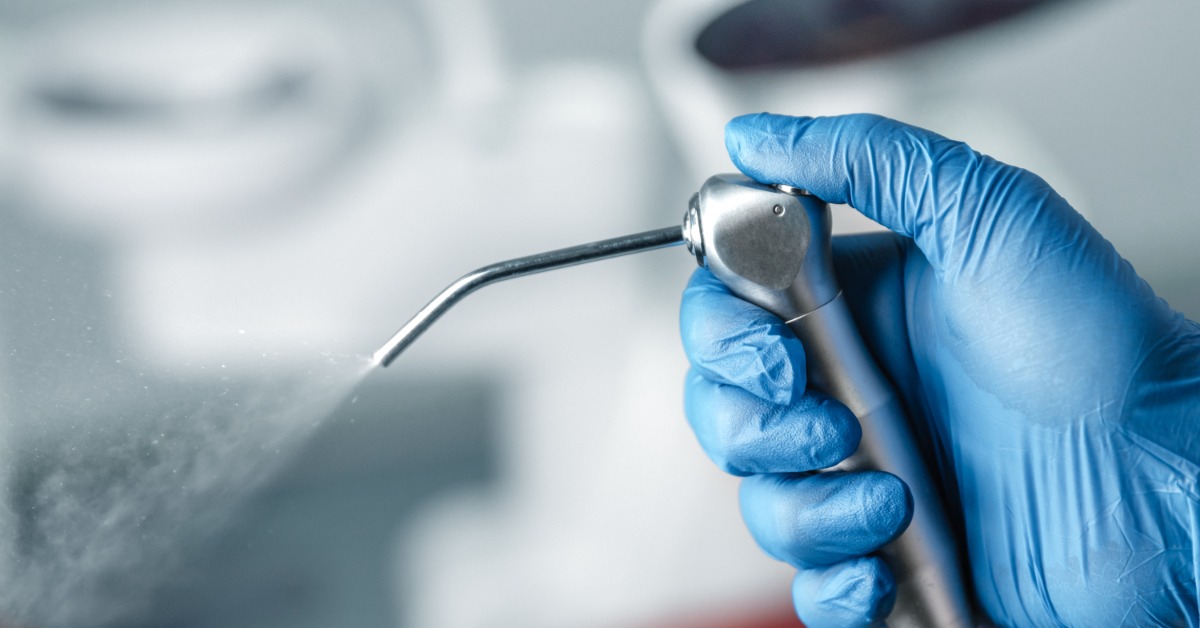
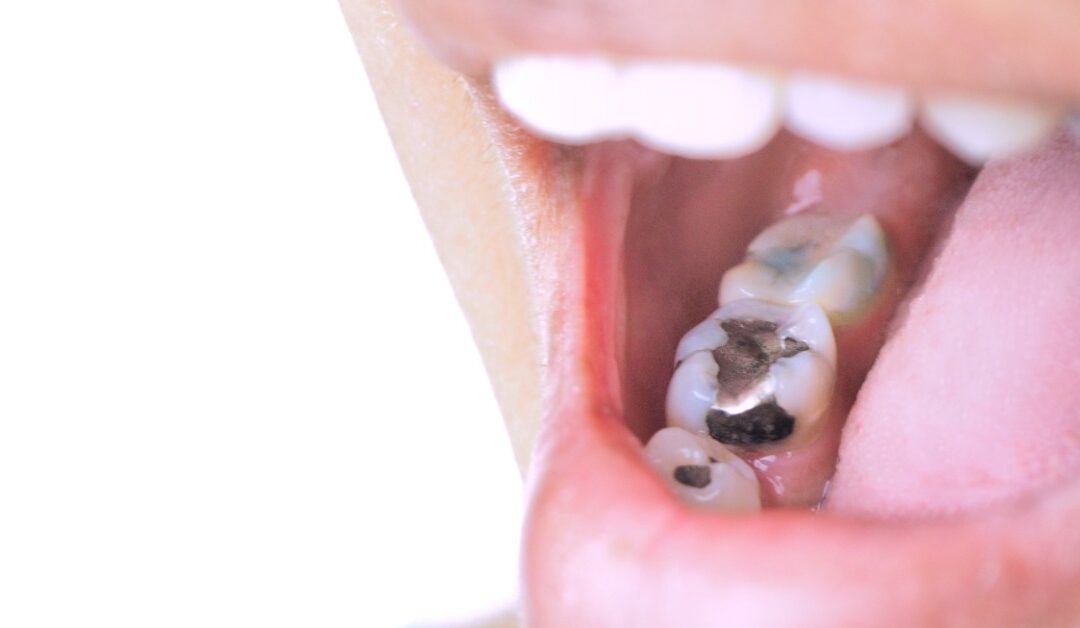
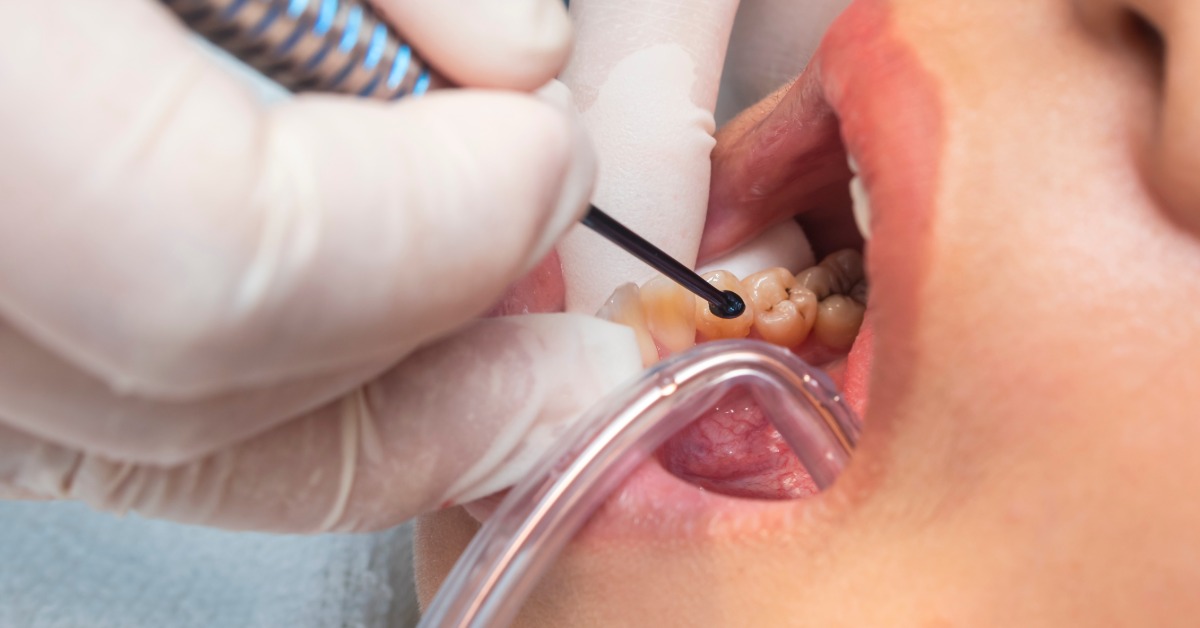
SMART (Safe Mercury Amalgam Removal Technique) gives patients a structured way to address old silver fillings with attention to whole-body health. The protocol focuses on reducing contact with mercury particles and vapor during treatment. It uses protective barriers and high-volume suction throughout the appointment. Who should consider SMART removal? The answer depends on the filling’s condition and the health goals a patient brings to care.
When a cavity damages a tooth, most people assume that a standard amalgam filling will solve the problem. However, patients who value whole-body health want to understand how restorative materials affect more than just the tooth. Choosing between dental inlays and fillings centers on safety, longevity, and whether the materials are biocompatible.
Holistic dentistry focuses on restoring teeth with materials that support overall wellness. By understanding the differences between traditional fillings and biocompatible inlays, patients can make informed decisions that protect their oral and systemic health.
What Biocompatible Dentistry Means
Biocompatible dentistry evaluates how dental materials interact with the body’s tissues, immune system, and overall function. A material qualifies as biocompatible when it works in harmony with the body without being irritating or potentially toxic.
Traditional dentistry has relied on materials that maximize efficiency. Holistic dentistry considers whether materials release harmful substances or wear down over time.
Dr. Peter K. Pang at Asheville Holistic Dentist prioritizes minimally invasive treatments and materials that align with whole-body health. That philosophy directly impacts a patient’s choice preference for fillings or inlays.
Traditional Fillings
Dentists use fillings to restore teeth damaged by decay. The most common types include composite resin fillings and amalgam fillings.
Composite resin fillings contain a mixture of plastic and fine glass particles. Dentists match them to the color of natural teeth. The fillings bond directly to the tooth structure and require minimal removal of healthy enamel.
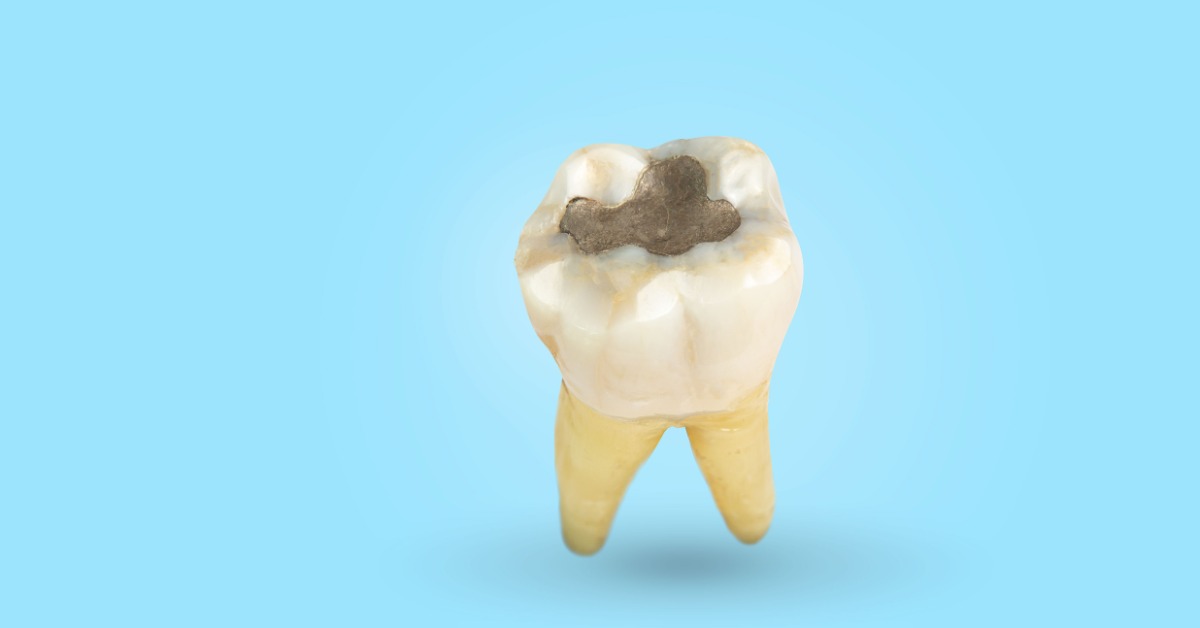
Amalgam fillings contain a mixture of metals, including silver, tin, copper, and mercury. Mercury makes up about 50 percent of the material. Dentists have used amalgam fillings for decades because of their strength.
However, mercury amalgams raise health concerns. Mercury is a known neurotoxin that is poisonous to nerve tissues. Even though regulatory agencies consider amalgam acceptable for general use, small amounts of mercury vapor are released during chewing, brushing, and teeth grinding.
Holistic dentistry doesn’t support the use of mercury amalgam because of its potential impact on systemic health. Patients who prioritize biocompatible care often choose to avoid materials that contain mercury. While exposure levels vary, the safer option is to avoid metal fillings altogether.
Dental Inlays
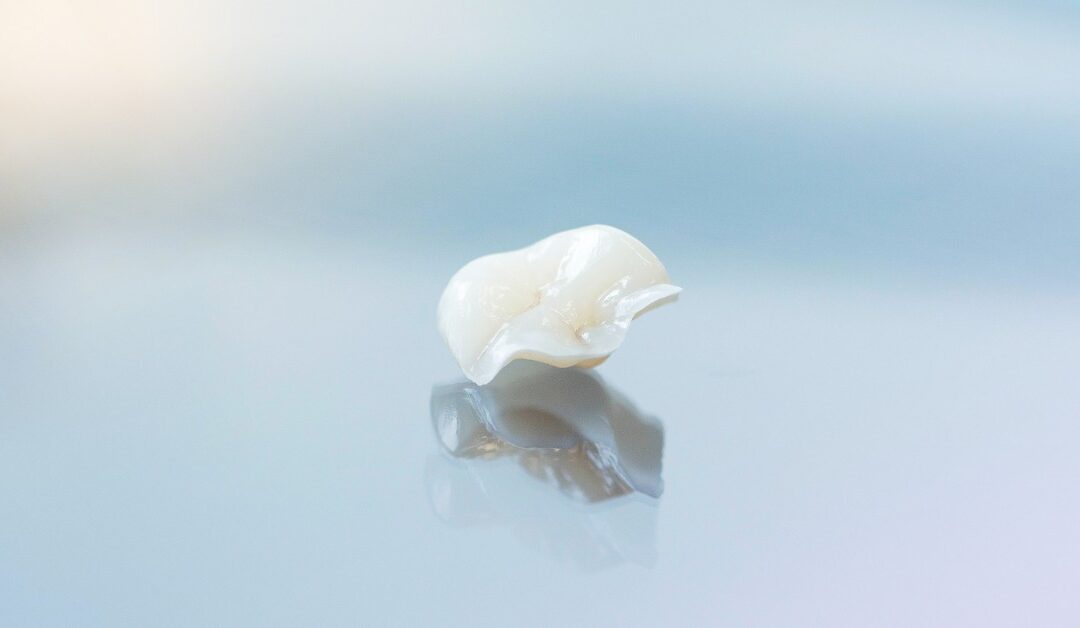
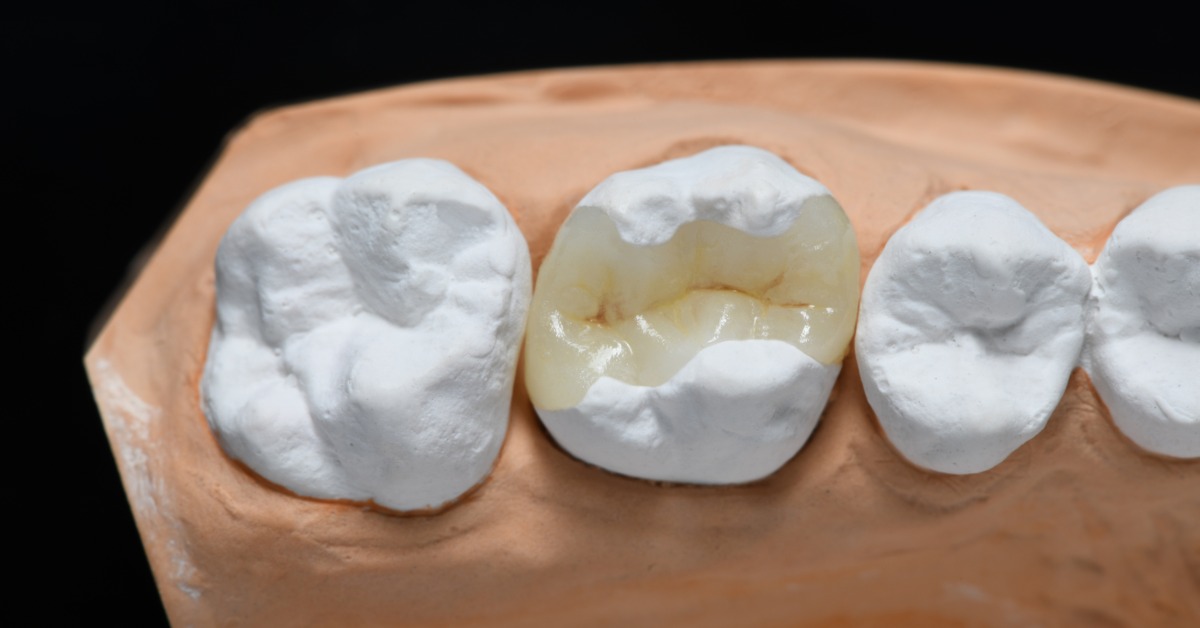
Dental inlays restore moderate decay or damage that falls between a simple filling and a full crown. A dentist places an inlay within the grooves of the tooth without covering the cusps. Unlike standard fillings, an in-office computer system fabricates inlays outside the mouth.
At Asheville Holistic Dentist, advanced CEREC technology designs and mills ceramic restorations in a single visit. This precision manufacturing allows for a stronger, more accurate fit. The dentist bonds the inlay securely to the tooth, reinforcing the remaining structure rather than weakening it.
Why Biocompatible Ceramics Matter
Biocompatible ceramic materials have transformed restorative dentistry. Modern dental ceramics mimic the strength and translucency of natural enamel. More importantly, they don’t contain mercury or metal alloys that raise toxicity concerns.
Ceramic inlays offer several health and structural advantages:
They bond tightly to the tooth.
They preserve more natural tooth structure.
They maintain their color over time.
They support long-term durability.
Comparing Longevity and Tooth Protection
The choice between an inlay and a filling depends on the extent of decay and the condition of the remaining tooth. Small cavities respond well to composite fillings. Large areas of damage require stronger reinforcement.
Composite fillings shrink slightly as they cure. Over time, that shrinkage may create microscopic gaps between the filling and the tooth. Bacteria enter those spaces and increase the risk of recurrent decay.
Ceramic inlays provide a custom fit that reduces microleakage. Because they bond securely and maintain structural integrity, they protect the tooth from fractures. This stability plays a key role in preventing future complications. Patients who want long-term solutions rather than temporary repairs often prefer ceramic inlays for moderate damage.
A Holistic Approach to Restoring Your Smile
Restoring a tooth involves more than sealing a cavity, and holistic dentistry considers how each procedure affects the entire body. The materials, bonding agents, and techniques influence inflammation, immune response, and structural balance.
Dr. Pang uses digital 3D X-rays and advanced diagnostic tools to evaluate tooth health precisely. Digital imaging reduces radiation exposure compared to traditional film systems and improves treatment accuracy.
Laser dentistry further supports minimally invasive care. Lasers remove decay with impeccable precision and preserve healthy tissue. When paired with ceramic inlays, this approach to full mouth dental reconstruction strengthens each tooth while upholding the body’s natural balance.
Who Benefits Most From Dental Inlays?
Not every cavity requires an inlay. Dentists recommend inlays when damage extends beyond what a filling can reliably support but does not require a full crown. Patients who benefit most include:
Individuals replacing old amalgam fillings
Patients with cracked or weakened teeth
People seeking biocompatible, metal-free tooth restorations
Patients concerned about whole-body health
Replacing aging metal fillings with ceramic inlays improves both structural integrity and biocompatibility. The process removes potential sources of mercury exposure and restores the tooth with advanced, high-quality materials.
Should You Choose Dental Inlays or Fillings?
The answer to biocompatibility between dental inlays and fillings depends on the material used and the condition of the tooth. Composite fillings offer a metal-free option for small cavities. Mercury amalgam doesn’t align with holistic principles due to toxicity concerns and structural limitations.
However, ceramic inlays provide superior strength, durability, and biocompatibility for moderate damage. Ceramic inlays support whole-body health while reinforcing the tooth more effectively than large composite fillings. Patients seeking restorative care that prioritizes longevity and wellness will find that ceramic materials support their health preferences.
Improve Your Smile With Asheville Holistic Dentist
Every patient presents unique dental needs. A thorough evaluation determines whether a filling or inlay offers the best balance of preservation and protection.
Biocompatible materials reduce exposure to potentially harmful substances while maintaining structural strength. Advanced technology, like CEREC, allows precise, same-day ceramic restorations that minimize appointments and discomfort.
Patients who value personalized care benefit from a practice that prioritizes quality over volume. Thoughtful material selection today reduces the risk of more complex procedures tomorrow.
If you’re considering replacing old fillings or repairing a damaged tooth, schedule a consultation with Dr. Peter K. Pang at Asheville Holistic Dentist. You’ll receive personalized care designed to support both your smile and whole-body health.
Health care should support the whole body instead of treating one problem at a time. Oral care is no exception.
Holistic dentistry is different than traditional methods because dentists don’t focus on the teeth alone. Rather than isolating a cavity, gum issue, or bite problem, a holistic dentist looks at how oral conditions affect the body and vice versa.
Oral health connects to inflammation, sleep, comfort, nutrition, and daily quality of life. Patients who want their dental care to reflect overarching health goals might have an interest in holistic methods.
Holistic Dentistry: The Approach to Health Care
Traditional dentistry has long centered on diagnosing disease and repairing damage. That model helps many people, yet it may place most attention on the immediate dental issue.
Holistic dentistry treats the mouth as part of the entire body. Gum inflammation, airway concerns, chronic clenching, and reactions to dental materials don’t stay neatly boxed inside the teeth and gums. Paying attention to what connects these symptoms is the best way to create a comprehensive treatment plan. This approach dives deep into how biocompatibility and prevention techniques fit a patient’s lifestyle.
How Treatment Philosophy Differs
Whole-Body Health Comes First
As expected, the mouth is part of the body. A holistic dentist looks beyond a single symptom, so they can get a full picture of a patient’s health. For example, jaw tension may relate to airway strain, gum irritation may connect to inflammation, and mouth breathing may affect sleep quality, dry mouth, and cavity risk.
Patients who seek whole-body care usually appreciate a dentist who carefully looks at the whole picture. They want a provider who listens closely, explains options clearly, and respects personal wellness priorities. Holistic dentistry supports that goal through thoughtful planning rather than rushed, one-track treatment.
Prevention Is the Foundation of Holistic Dentistry
Holistic dentists treat identifiable problems as well as what may have contributed to the issue in the first place. Finding a root cause helps patients pursue lasting improvement instead of cycling through repeated repairs.
Patients who focus on wellness value prevention because it supports their comfort. Everything from eating to drinking to talking becomes effortless when patients have a strong, beautiful smile that increases their confidence.
Materials and Techniques
Biocompatibility Guides Decisions
Material choice is another reason why people might switch to a holistic dentist. Since dental restorations stay in the mouth for many years, holistic dentists pay close attention to how materials interact with oral tissues and the body.
It’s natural to want transparency around treatment materials. What goes into a filling or crown? Are the materials biocompatible? Holistic dentistry respects each patient’s concerns; it’s why they use biocompatible materials that promote high-quality care.
Modern Technology Supports Precision
Holistic care doesn’t reject modern dentistry. Instead, it embraces technological advancements that strengthen diagnoses and treatments. Asheville Holistic Dentist highlights techniques such as lasers, digital 3D X-rays, and CAD/CAM restorations that support precision and fewer visits in many cases.
Technology serves a clear purpose in this setting. It helps the dentist diagnose with immense accuracy and efficiency. Patients benefit from convenience as well as a clear picture of their oral health.
Ozone Therapy
Ozone therapy uses medical-grade oxygen that a generator converts into ozone, an energized form of oxygen used in dental care to target harmful bacteria in the mouth. By disinfecting the mouth and reducing inflammation, this minimally invasive technology will support a healthy oral environment.
Laser Treatments
Laser treatments use focused light energy to target specific areas in the mouth with a high level of precision. The minimally invasive technology removes diseased tissue while preserving healthy structure. Lasers seal nerve endings and blood vessels during a procedure, which supports patient comfort during recovery through reduced swelling and bleeding.
CAD/CAM Restorations
CAD/CAM restorations use digital imaging and in-office design technology to create custom dental restorations with a precise fit. This process helps providers design crowns, bridges, inlays, onlays, and veneers in a way that matches the shape and function of the natural teeth.
Because of the detailed digital guidance, patients get a natural, comfortable bite. Not to mention, the ceramic material used in these restorations aligns with a biocompatible approach to care.
Safe Amalgam Filling Removal
Patients who value holistic wellness might want to know how certain materials interact with the body. If they’ve received a mercury filling in the past, removing it safely could be a goal. Many holistic dentists offer this service for patients interested in biocompatible care.
Safe amalgam filling removal uses a careful process to take out old mercury fillings while supporting a clean treatment environment. At Asheville Holistic Dentist, our SMART-certified practice has the training necessary to safely remove silver fillings according to the IAOMT (International Academy of Oral Medicine and Toxicology). The team’s experience and the use of advanced technology give patients peace of mind during the treatment process.
The Patient Experience
Advanced dental technology and biocompatible techniques support efficient care and holistic wellness. Patients aren’t simply choosing a filling or crown. They’re choosing an approach to care, a relationship with a provider, and a philosophy that supports health on a wider scale.
Every dentist should make sure patients have the information they need to understand their care, ask questions, and move forward confidently. That kind of communication helps strengthen trust between the patient and provider while making the visit less stressful. Both traditional and holistic dentistry are beneficial because they value the patient experience. The right fit comes down to each person’s preferences, priorities, and comfort level.
Personalized Recommendations
Patients benefit from clear guidance that extends beyond the treatment itself. A thoughtful dental team should explain what to expect after a procedure, how to care for the mouth at home, and what daily habits support overall wellness. That kind of support helps patients make informed decisions and approach care with greater confidence.
Asheville Holistic Dentist positions itself as a patient-oriented practice rather than a high-volume setting. Our team won’t rush patients through the appointment. They can expect individualized care and calm conversations that prioritize comfort.
Choosing a Dental Approach That Fits
Holistic dentistry is a different approach to oral care for people who value prevention, biocompatibility, and personal attention. At Asheville Holistic Dentist, Dr. Peter K. Pang and his team offer care shaped by those principles, supported by advanced technology and a patient-centered setting.
If you’re ready to choose dental care that supports whole-body wellness, contact Dr. Pang’s office and schedule a visit. A thoughtful conversation about your goals may help you find a dental approach that fits your health priorities.
A dental cleaning should leave the mouth feeling fresh. There’s an extremely effective way to remove ample bacteria from the gumline and hard-to-reach areas. Ozonated water in dental cleanings might be the answer.
Many holistic dentists use ozonated water to rinse, disinfect, and support tissue health during care. This advanced method has several benefits. For patients interested in In a professional cleaning, ozonated water is a great tool to reduce harmful microbes.
Ozonated Water
Ozone is a form of oxygen with strong oxidizing action. A dental ozone system starts with medical-grade oxygen rather than room air. The machine converts part of that oxygen into ozone, then blends the ozone into water right before use.
Ozone works through oxidation to decrease the bacteria in the mouth. A dentist or hygienist can apply ozonated water in a controlled manner without changing the basic purpose of the visit.
The Science Behind Ozone
The water reacts with the outer membranes of harmful microorganisms and disrupts their structure. It becomes difficult for bacteria to remain intact on treated surfaces.
Once applied, it begins to work right away in pockets, grooves, and tight spaces where bacteria tend to collect. It doesn’t simply wash debris away; it actively interacts with microbes at a cellular level. That scientific mechanism helps explain why ozonated water has become such a useful tool during dental cleanings.
Why It Fits Dental Cleanings
A dental cleaning removes plaque, tartar, and debris from tooth surfaces and near the gums. Ozonated water supports that process by rinsing areas where bacteria gather and linger. It doesn’t replace skilled hand instruments or ultrasonic tools, but it strengthens the cleaning environment.
Additionally, the process fits easily into a routine cleaning visit. Patients can reap the benefits of the treatment without requiring a complicated, lengthy appointment.
The Importance of Fresh Preparation
Fresh preparation plays a direct role in how ozonated water performs. Ozone is highly active, yet it doesn’t stay in water for long periods. Its strength drops as it breaks down, so timing becomes an important part of the process.
Because of that short lifespan, dental teams prepare ozonated water right before use instead of making it in advance. It supports the intended antimicrobial effect during the cleaning.
The Dental Equipment Behind the Treatment
Dental teams rely on dedicated ozone delivery units built for clinical settings. These systems include an oxygen source, an ozone generator, and a delivery component that moves the treated water into the operatory at the right stage of care. The equipment gives the team precise control over production and use.
Instead of interrupting the appointment, the equipment integrates into the flow of care and gives the clinician access to ozonated water at the chairside. The process stays efficient because the system prepares the solution for immediate use rather than relying on a prefilled supply. Not to mention, the fresh supply has an effective result.
The Benefits for Patients
Dental teams don’t choose tools based on novelty alone. They choose methods that strengthen results and help them deliver careful treatment. The goal of this method is to benefit patients’ overall well-being and oral hygiene.
Supports Whole-Body Care
Some patients look for dental care that reflects broader wellness goals instead of focusing only on surface-level results. Ozonated water can fit that interest because it is used in a controlled clinical setting during treatment and may promote the body’s natural antioxidants. For patients drawn to minimally invasive care, that approach can make this option especially appealing.
Prevent Plaque Buildup
Plaque starts forming again soon after a cleaning, so preventive care works best as an ongoing effort rather than a one-time fix. Regular cleanings remove buildup from the tooth surface and along the gumline before it has time to harden into tartar. Ozonated water supports that preventive goal by helping the dental team finish the visit with a cleaner oral environment. Patients who want to stay ahead of buildup may appreciate a method that strengthens routine maintenance in a clear, practical way.
Provide Minimally Invasive Care
Many patients prefer dental care that addresses concerns in a precise way without making treatment unnecessarily involved. A minimally invasive approach focuses on protecting healthy tissue while supporting the mouth through targeted care. Ozonated water fits naturally into that philosophy because it works within a standard cleaning rather than adding a separate, intensive procedure. For patients drawn to intentional treatment choices, that approach can make preventive visits feel especially worthwhile.
Calm Inflamed Gums
Gum tissue reacts quickly to bacterial irritation, so a cleaning works best when the mouth receives both physical removal of buildup and a thorough antimicrobial rinse. Patients with gum irritation or a condition might benefit from this feature because the tissue around the teeth needs a calm setting to recover after debris removal.
During a cleaning, the team works to remove the biofilm and hardened deposits that trigger redness, swelling, and tenderness. A cleaning using ozonated water reduces the microbes tied to ongoing gum inflammation.
Soothe Sensitive Mouths
Some patients hesitate to schedule cleanings because their mouths react easily to treatment. They may notice tender gums, irritated spots, or a lingering sense of discomfort after care. Ozonated water appeals to many of these patients because it gently supports cleanliness.
That doesn’t mean every patient will respond in the same manner, yet the approach offers a strong option for people who want a clean feeling without an aggressive edge. A dental team can use it as part of a thoughtful visit tailored to the mouth’s condition. In that setting, ozonated water supports comfort while still serving a clear clinical purpose.
Schedule an Appointment With a Holistic Dentist
The appeal of ozonated water in dental cleanings comes back to the same point: The cleaning does its job, and ozonated water strengthens the result.
Ozonated water helps achieve that goal by reducing harmful microbes during treatment and supporting cleaner conditions around the teeth and gums. Anyone interested in a teeth cleaning in Asheville, NC, may want to fit this option into their oral hygiene routine.
Asheville Holistic Dentist offers patient-centered care that uses advanced methods with purpose. Whether you need a checkup or want to address an oral health concern, schedule a visit with our team. We will walk you through every step of the visit, so you feel confident in your journey to holistic wellness.
Cavities leave small openings in enamel. Without treatment, the decay will worsen and create a large area of damage. Since decay removes healthy tooth structure, a dentist needs to clean the area and restore the tooth so it can handle daily chewing.
Mercury fillings are a common solution because the material repairs the damaged areas. However, many patients look at old silver fillings differently. They start to wonder if the material fits their health goals.
Mercury can be a concerning substance in dental fillings, but why? Patients who value whole-body care need a clear explanation before making a treatment decision.
What Silver Fillings Contain
Dental amalgam has a long history in restorative care. Dentists used it because the material could withstand daily pressure. Amalgam contains a mix of metals, with mercury making up a large part of its weight. Mercury binds the metal particles into a firm substance after filling a cavity.
The concern doesn’t come from the silver color alone. Mercury can release tiny amounts of vapor from the surface of the filling during chewing, grinding, or brushing. Exposure levels vary from person to person, so patients with old fillings may want to consider new alternatives.
Why Patients Ask Questions
A filling sits inside the living tooth structure. Over many years, chewing and temperature shifts alter how the restoration fits. Small gaps may form along the edges, or a tooth may develop cracks around the old filling.
Patients may notice issues like sensitivity, a rough edge, or dark stains near the filling. Some people don’t notice any symptoms at all.
Mercury Exposure Concerns
Some patients want to reduce avoidable exposure because they take a cautious approach to wellness. Others have failing fillings that need replacing due to tooth damage. In both cases, the goal is to restore tooth functionality and support overall wellness. A dental exam lets the dentist evaluate the filling margins and surrounding enamel. Then, they can create a plan to repair the tooth.
Old Fillings Affect Teeth
Large amalgam fillings may stress the remaining tooth. Metal expands and contracts with temperature fluctuations. A person might drink an ice-cold drink and immediately take a bite of a steaming soup. Years of habits like this could cause the filling to crack.
A dentist must plan the replacement around the tooth left behind. Although a small space needs a conservative restoration, a broad or deep space requires reinforcing to support chewing forces. The size of the old filling shapes the next step because the new material will seal the tooth and protect the remaining walls.
Safe Removal Requires a Skilled Approach
Patients who decide to say goodbye to their old mercury fillings must know that the removal process requires exceptional skills. Drilling into the filling may release mercury vapor and particles. Therefore, the ADA recommends the use of specialized amalgam separators to protect the environment.
To safeguard the patient’s health, Asheville Holistic Dentist follows a SMART-certified approach that adheres to safe amalgam removal standards. The team works to isolate the tooth, manage particles, and reduce vapor exposure while maintaining a controlled clinical setting. Specialized suction, protective barriers, water irrigation, and filtration support the process. It’s a great way to prevent metal exposure and protect the patient’s well-being.
Metal-Free Restoration Choices
After removal, Asheville Holistic Dentist chooses a restoration based on the tooth’s condition. Small areas may work well with BPA-free white resin. This tooth-colored material fits conservative repairs because it bonds directly to the prepared area and blends with natural enamel.
Large spaces call for a different plan. Ceramic porcelain restorations—including inlays, onlays, and crowns—support teeth after a metal filling comes out. These restoration materials rebuild the tooth’s missing portion without introducing any metals.
Why the Size of the Damage Changes the Plan
A small filling replacement doesn’t demand the same support as a large molar restoration. Back teeth handle heavy chewing forces every day. If an old filling leaves thin tooth walls behind, resin alone may not provide the support the tooth needs.
Porcelain inlays, onlays, and crowns serve distinct roles. Dr. Peter K. Pang selects the option that matches the amount of tooth structure remaining.
An inlay fits within the chewing surface.
An onlay covers one or more cusps.
A crown surrounds the visible portion of a tooth that needs additional support.
Biocompatibility Guides Material Choice
Biocompatibility means a dental material suits the patient’s body as closely as possible. Patients who choose holistic care may ask whether a material contains BPA, metal, or other components they prefer to avoid. Asheville Holistic Dentist discusses these concerns before treatment, so patients can make an educated decision about their care.
Some patients benefit from biocompatibility testing before selecting restorative materials. Results take time, so this step fits patients who want added guidance before care begins.
How Patients Move Forward With Treatment
Patients don’t need to decide whether an old silver filling should come out right away. The first step is a thorough evaluation. Dr. Pang checks the filling and tooth structure. If patients have any additional symptoms or health concerns, Dr. Pang will take those into account to create a personalized treatment plan.
If replacement makes sense, the removal process will begin, and the restoration using a biocompatible material will follow. Patients will feel confident in the end knowing that they have a filling that reinforces their wellness and a smile that supports everyday life.
Asheville Holistic Dentist: A Health-Focused Dental Plan
Mercury in dental fillings is a concern for many patients because it raises concerns about metal exposure and tooth strength. If amalgam fillings don’t suit your personal wellness goals, a visit to a skilled dental practice, like Asheville Holistic Dentist, is the right course of action.
Dr. Peter Pang understands how to safely conduct a SMART-certified mercury filling removal. Then, he’ll discuss the new filling options, such as resin and porcelain materials, to restore the tooth’s function. Call the practice today to schedule an appointment and start feeling better about your overall health.